
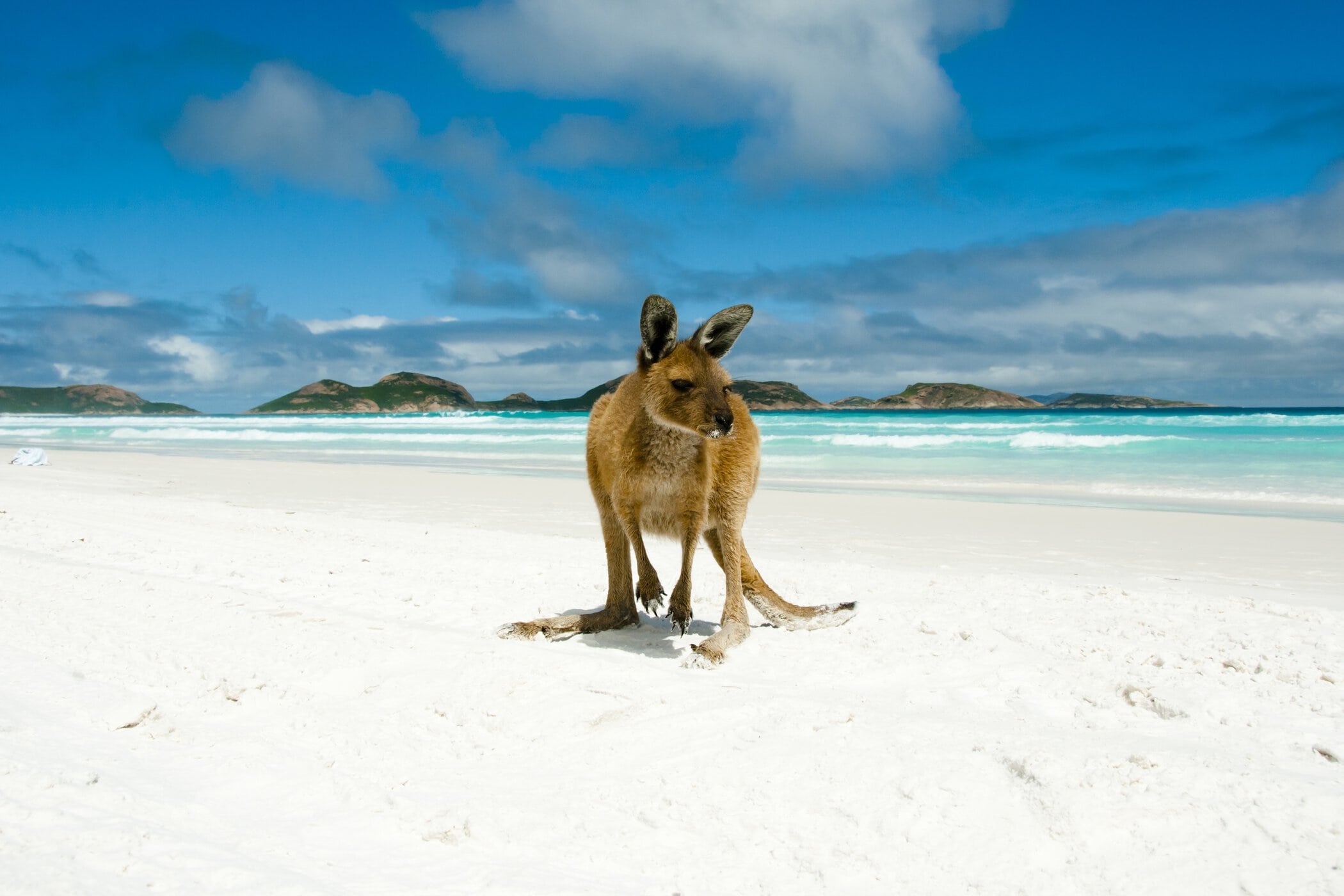
Esperance's story goes back long before the town was gazetted in 1893. Wudjari Nyungar people have called this coast home for thousands of years, and that culture still shapes the region today, alongside the homesteads, shipwrecks and gold rush tales left behind by the European settlers who followed.
Fun Fact
Pieces of NASA's Skylab space station, which fell from orbit and scattered across the district in 1979, are still on display at the Esperance Museum.
Wudjari Nyungar Culture
Kepa Kurl (Esperance) means 'the place where the water lies like a boomerang', the Wudjari Nyungar name for the sweeping curve of Esperance Bay. Wudjari Nyungar people have lived along this coast for many thousands of years, long before European sails appeared on the horizon, and their culture remains a living, everyday part of the region today.
Esperance Nyungar peoples' ancestral lands span more than 30,000 square kilometres of southern Western Australia. Registered in 2016 as their Native Title Body Corporate, the Esperance Tjaltjraak Native Title Aboriginal Corporation (ETNTAC) are recognised as the Traditional Owners in the region.Tjaltjraak is the Esperance Nyungar name for the mallee (tallerack or blue mallee, Eucalyptus pleurocarpa), the trees Esperance Nyungars believe mark the extent of their Country.
Visitors can experience first nations culture first-hand on a Dabungool cultural tour: a walk through Country with a Wudjari Nyungar guide, learning about bush tucker, the six local seasons and the stories held in the land. In town, the Mudjar Aboriginal Corporation gallery on Wood Street showcases art and craft from local and visiting First Nations artists, from paintings and boomerangs to hand-braided rugs.
European History
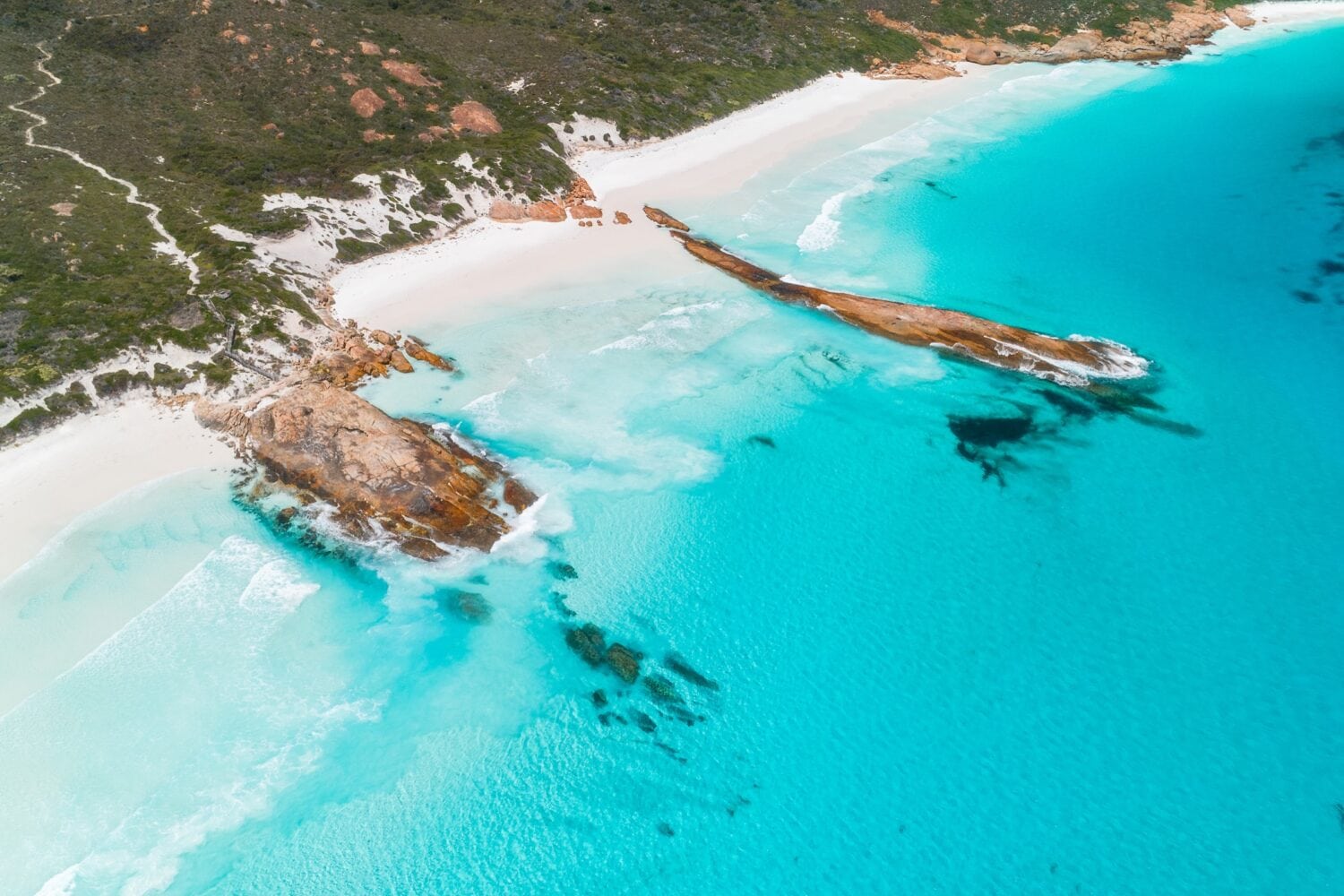
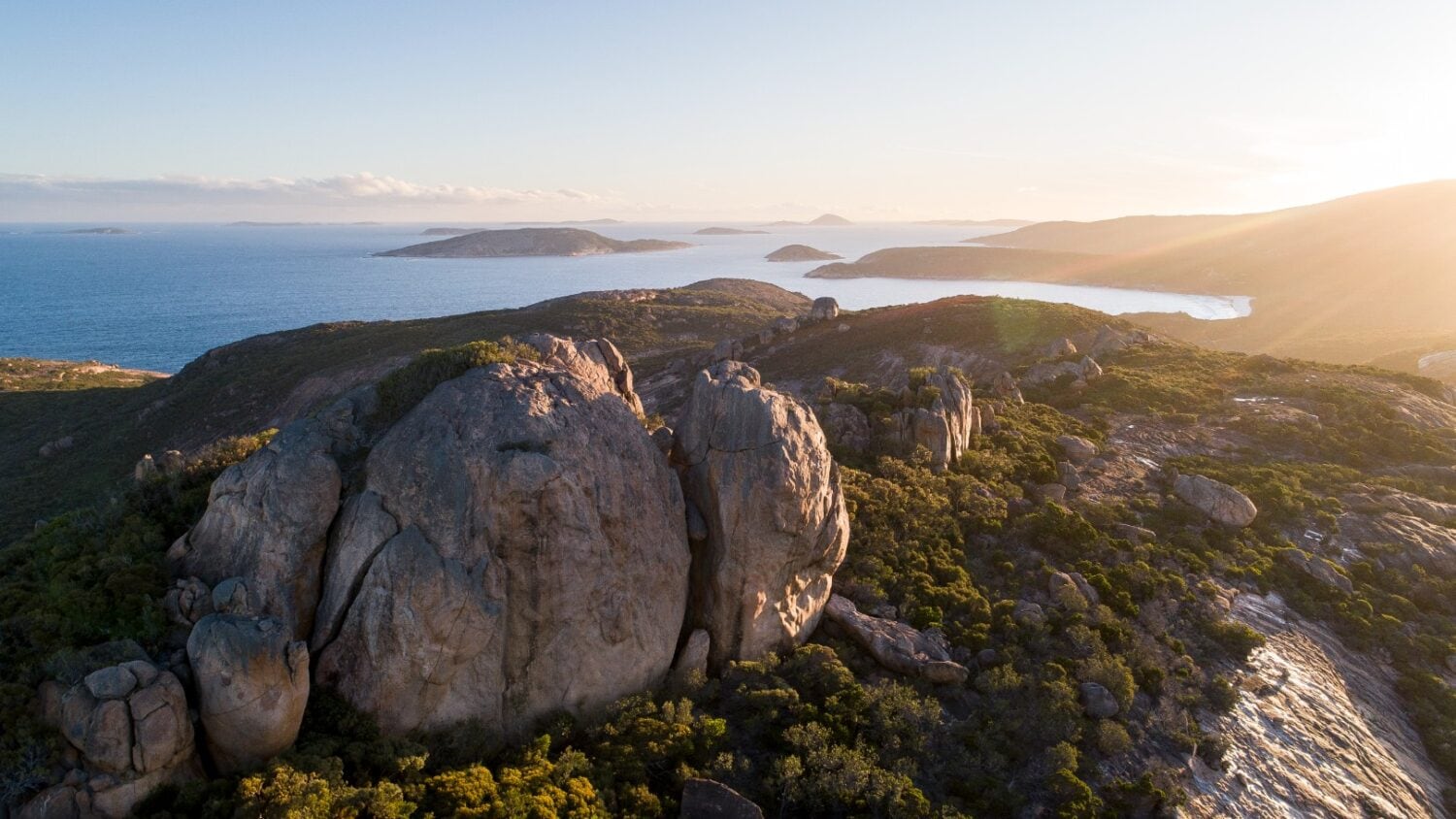
Europeans first sheltered here in December 1792, when French navigator Admiral Bruni d'Entrecasteaux rode out a storm near Observatory Island. His two ships, the Recherche and the Esperance, gave their names to the bay and the archipelago beyond it. Naturalist Claude Riche wandered inland collecting plant specimens, got lost, and stumbled on Pink Lake before making it back to the ships just in time.
Settlement came in 1864, when the Dempster brothers drove sheep, cattle and horses from Northam to establish the Esperance Bay Pastoral Station. Their homestead, built in 1867, still stands today as the oldest building in town. One frequent visitor was Tommy Windich, a Kokar tracker and guide from near York who worked alongside explorers including John and Alexander Forrest. In 1870 he spent a fortnight with the Dempsters while accompanying the Forrests on an expedition retracing the coastal route Edward Eyre had pioneered thirty years earlier. Windich Street, in town, is named in his honour.
Gold changed everything. When prospectors struck it rich in the Eastern Goldfields in the 1890s, Esperance became their supply port, and the townsite was gazetted in 1893 as fortune seekers from all over Australia and the world flooded in. Esperance was declared a municipality in 1895. After decades of fluctuating fortunes, farming took hold, with families pushing north into the Mallee to build the homesteads around Grass Patch, Salmon Gums and Scaddan that still stand today. By the 1960s, the Esperance sandplain had begun to emerge as a major agricultural region.
For a more in depth look at the rich history of Esperance visit the Esperance Museum(opens in new tab) or head to the Municipal Heritage Inventory(opens in new tab).
Keep exploring

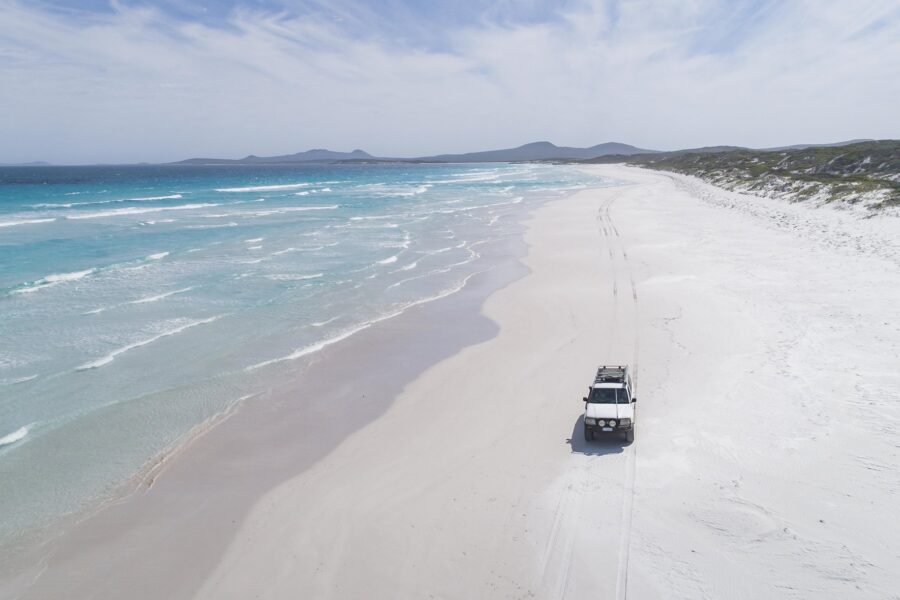
From scenic road trips through the region, to what to do on a rainy day, find a ready-made plan to suit your time and travel style.
Accommodation in Esperance embodies the coastal lifestyle; grounded and understated, offering a window to the outdoors and an invitation to explore.
Plan where to eat and drink in Esperance: coffee, bakeries, cafes, dining out, takeaway and pubs, plus tips for picnics and days out.