
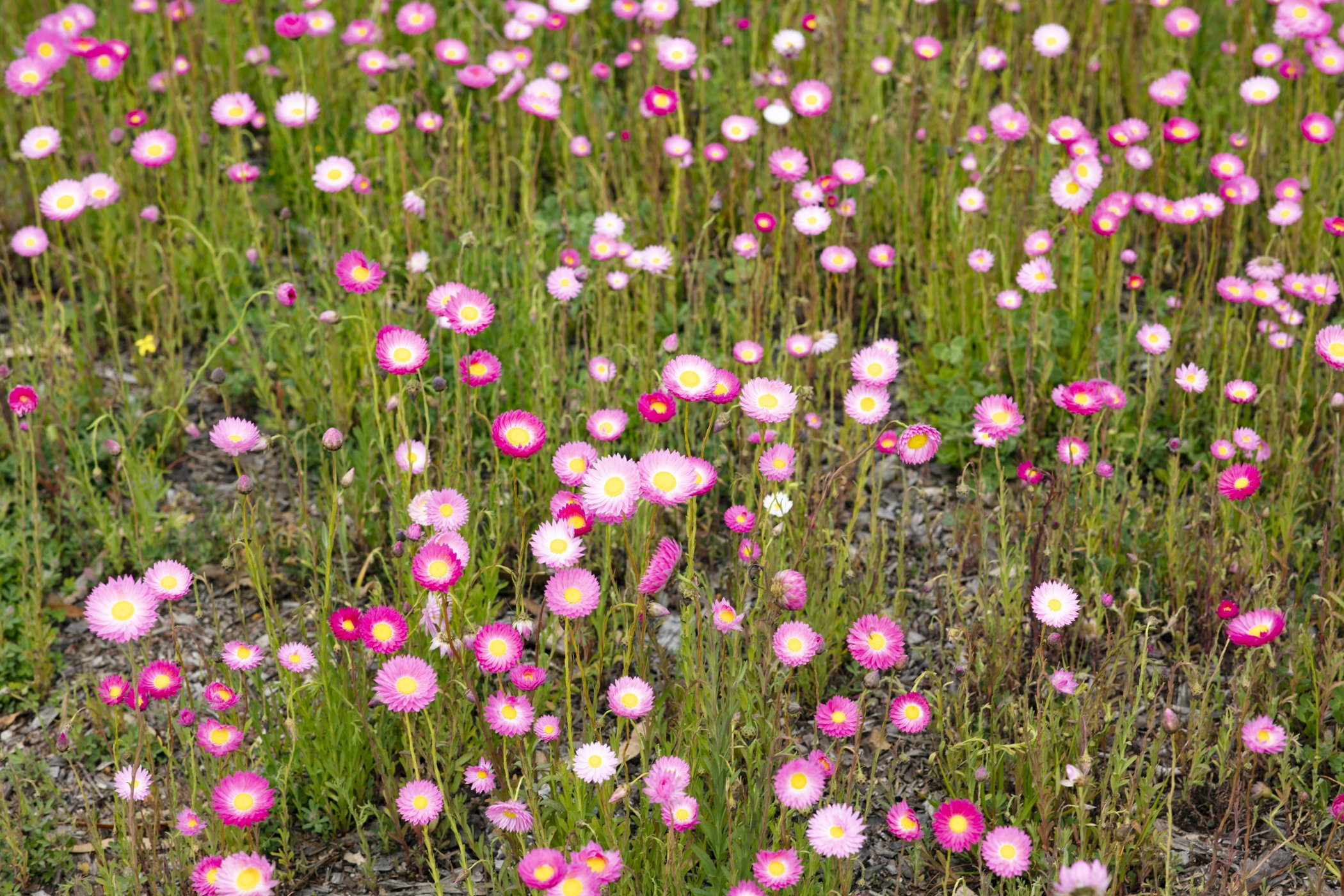
Esperance Wildflower Trail
Esperance wildflower season turns heathland, woodland and granite country into a kaleidoscope of colour. This trail takes you through seven of the region’s best wildflower spots, starting right in town and working out into the bush. Park the car at each stop and explore on foot: it’s the best way to see what’s really growing along the track. The Esperance wildflower season runs from August through to November.
The Trail
Dempster Head & Rotary Lookout
End of Doust Street (in town)
Start close to home with panoramic views of Esperance and the Recherche Archipelago. The trail offers two loops, ranging in distance and difficulty, so there’s an option whatever time you’ve got. Spring brings impressive orchid colonies here; the rest of the year, look for Bluegrass Lily, Pom-Pom Darwinia, Eucalyptus mallee species and numerous Banksia.
Lake Monjingup, Murdidyinakabi
Telegraph Road (9.4km)
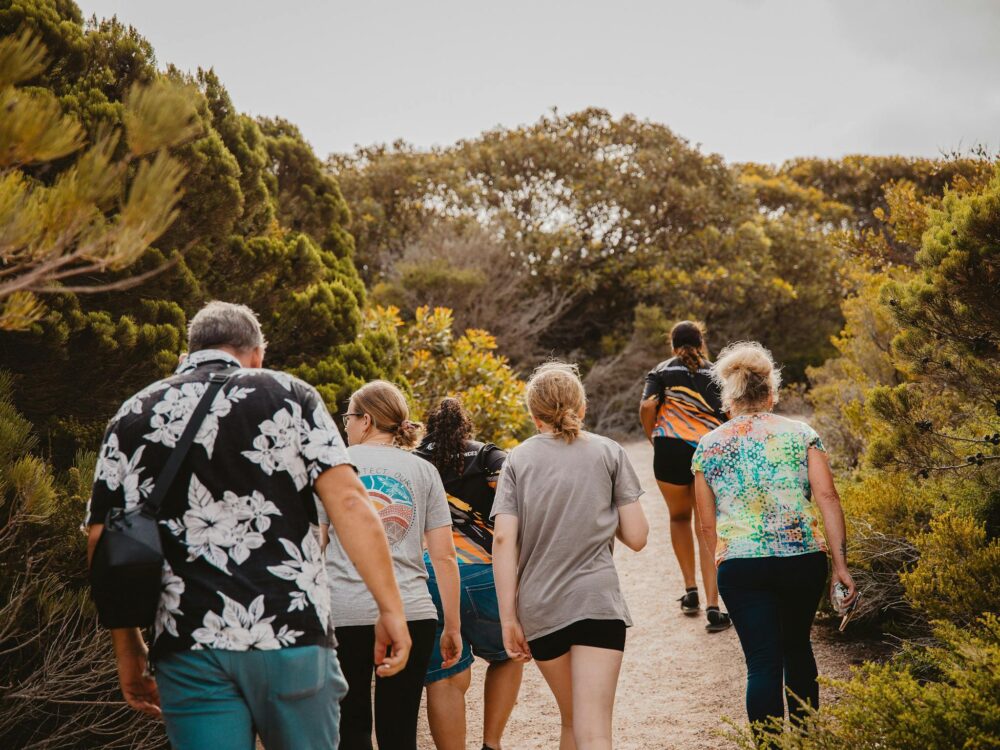
An over-water boardwalk winds through a sensitive Paperbark wetland here. The 1km loop trail shows off a diverse mix of Proteaceae and Myrtaceae species, rejuvenated since a fire in 2015, and is typical of the vegetation communities found along the Esperance sandplains. Keep an eye out for Fringed Lily, Blue Lechenaultia and Red Kangaroo Paw.
Stokes National Park, Benwenerup
Stokes Inlet Road (80km)
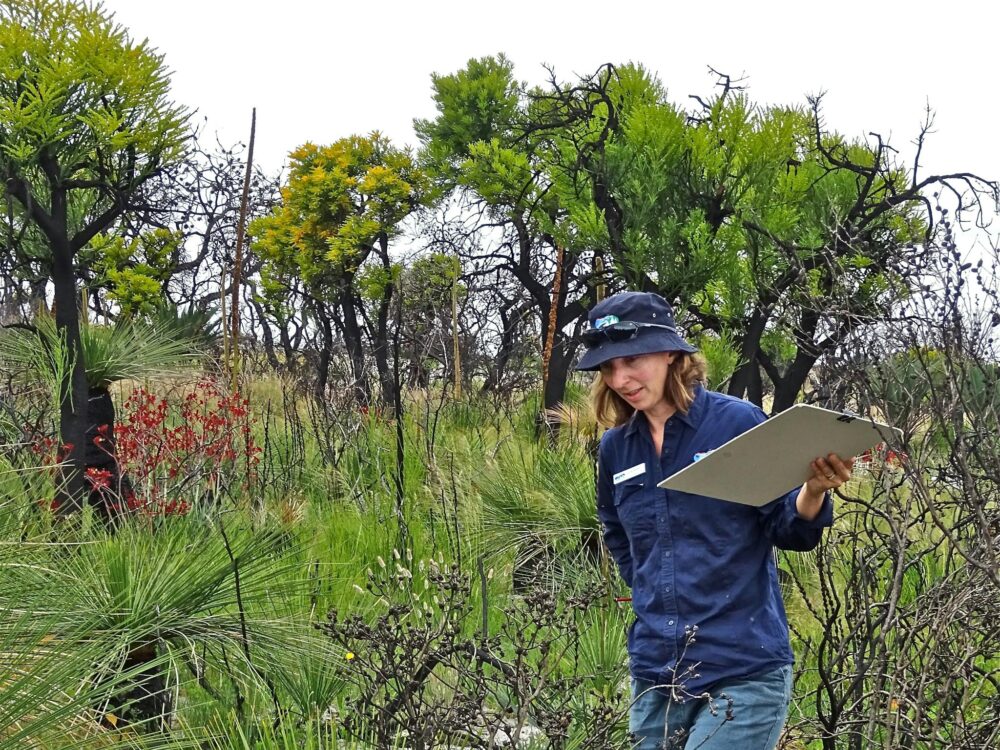
The furthest stop on the trail, and worth the drive. A wide range of habitats supports some amazing vegetation communities: thick Yates and Paperbarks along the inlet, coastal heath on the beaches, sand dunes, and Melaleuca/Eucalyptus bushland in between. The floral highlight is the magnificent yellow flowers of the Bell-Fruited Mallee, which bloom in autumn.
Helms Arboretum
Coolgardie-Esperance Highway (17km)
A botanical legacy sown in the ’70s to test which trees could grow in Esperance, Helms Arboretum now holds 412 types of native and foreign species, and doubles as a wildflower sanctuary. The Eucalyptus Woodland puts on a show all year: Red Flowering Gums and Tallerack flower in summer, and Silver Princess in late winter. Spring is the best time to visit, when Spider, Enamel, Cowslip and Donkey Orchids are scattered throughout the reserve.
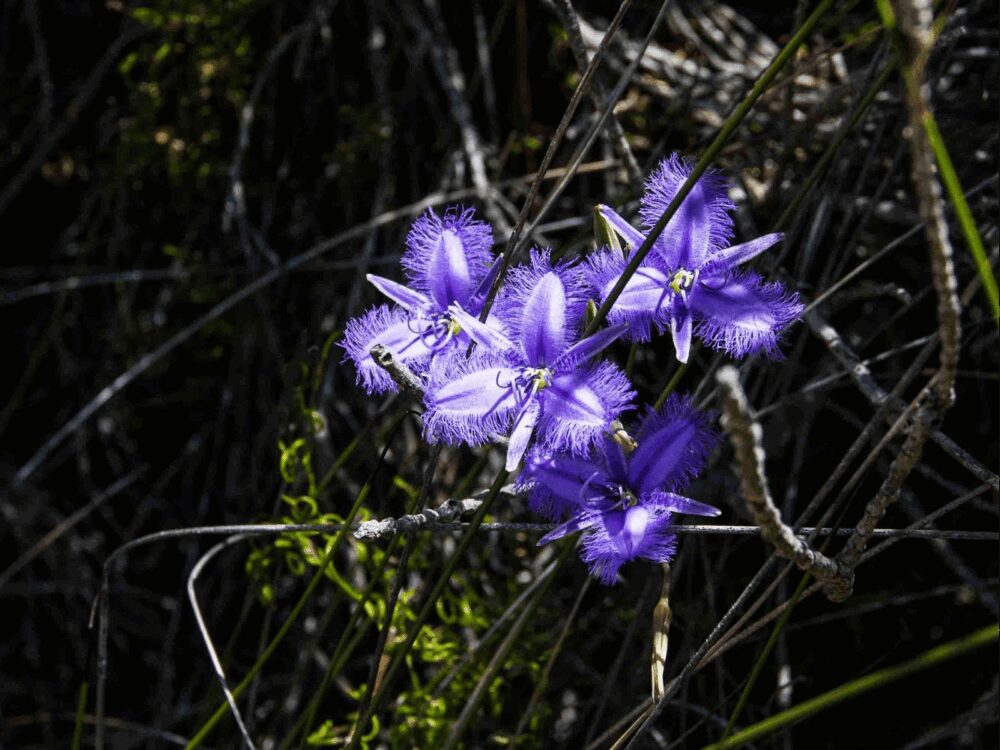
Woody Lake Nature Reserve, Kepwari
Windabout Way (7km)
Walk the Kepwari Wetland Trail through pristine wetlands for an intimate look at this critical, unique ecosystem. The path winds through fringing sedgelands, Melaleuca thickets and heathlands, under Banksia canopies and over dune ridges.
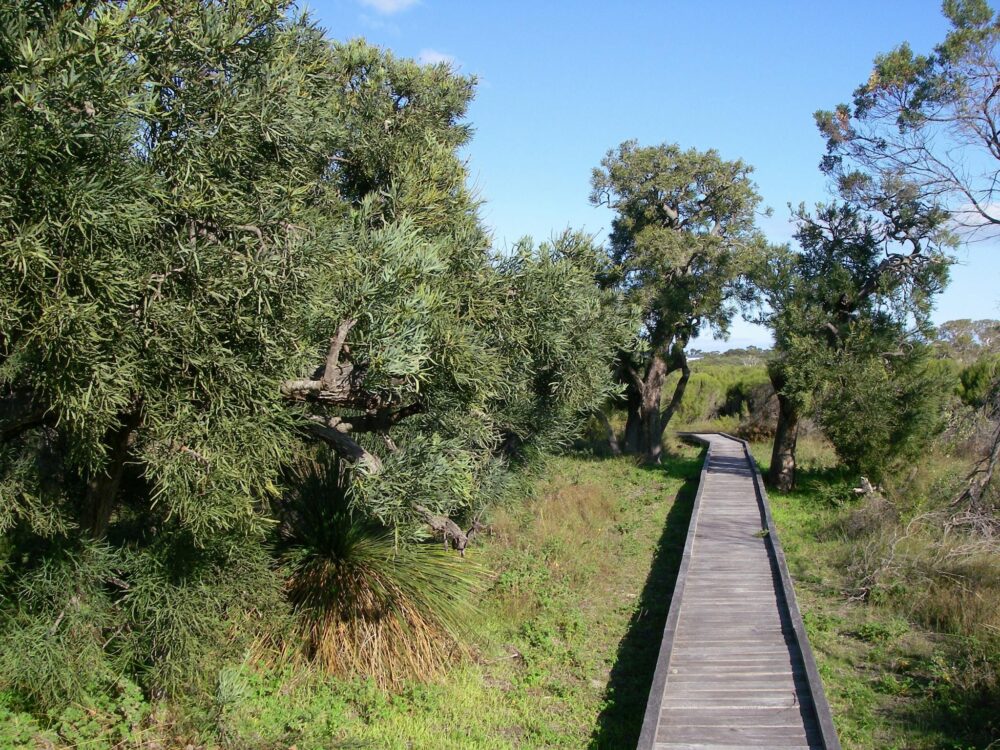
Cape Le Grand National Park
Cape Le Grand Road (50km)
The drive in offers impressive views of coastal heathland thick with Banksia and Australian Christmas Trees. The 20km Coastal Trail runs from Le Grand Beach to Rossiter Beach and is best tackled over a couple of days, broken into sections between Lucky Bay, Thistle Cove and Hellfire Bay. It rewards walkers with stunning floral diversity backed by spectacular coastal views, and the chance to spot species from the Melaleuca, Hakea, Grevillea and Eucalyptus genera.
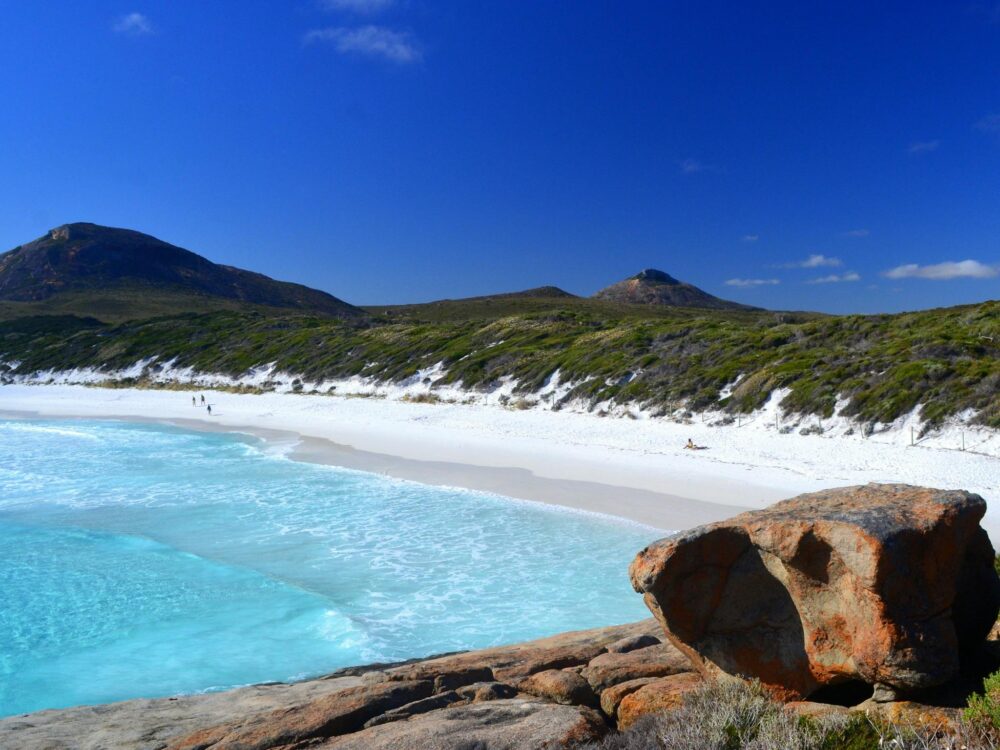
Mount Ridley, Marbeleerup
Dempster Road (71km)
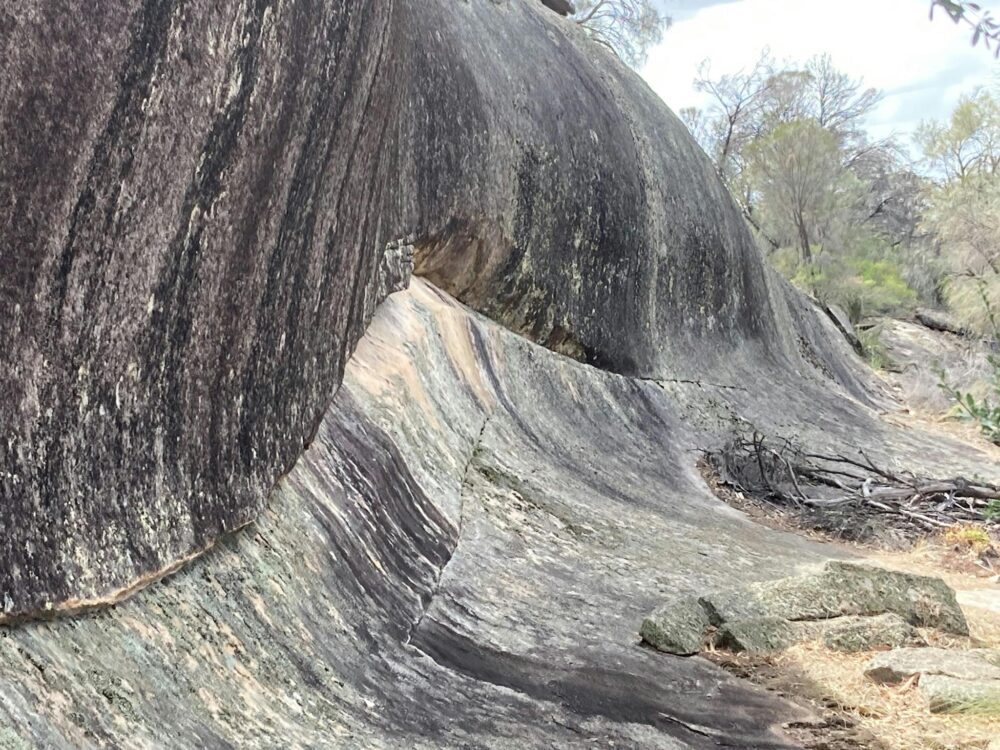
A granite outcrop with phenomenal views from the summit. The roadside brims with wildflowers through spring, though you will need a 4WD. Two main trails lead out from here: one to the summit, another to a striking wave rock. Look for granite specialists including Orchids, Hakeas, Borya, Allocasuarinas and Cypress Pines. Marbeleerup is a special place to the local Nyungar people, so please treat it with respect.
Djilba Wildflower Festival
Djilba Wildflower Festival
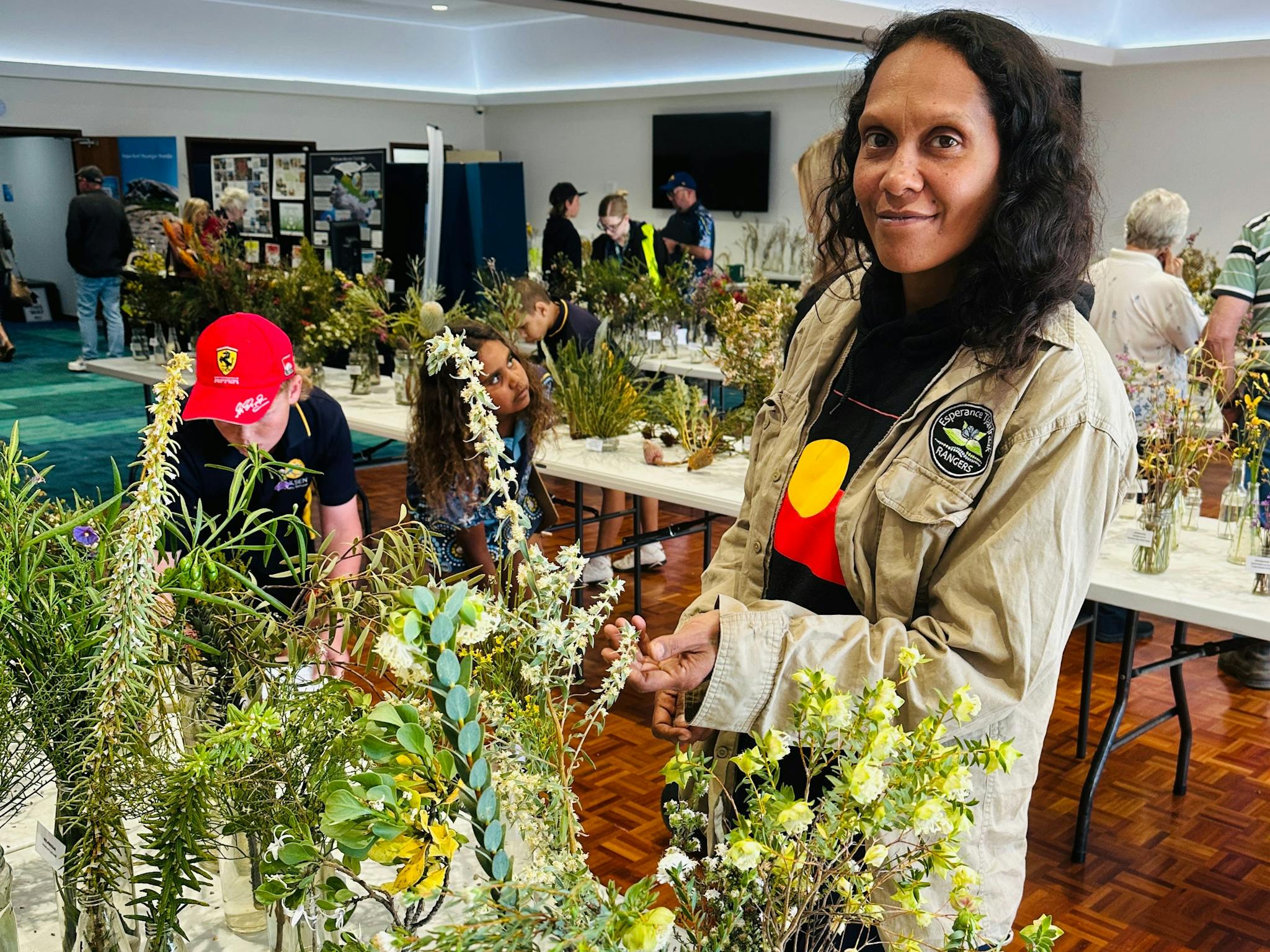
Time your visit for the Djilba Wildflower Festival, held over 5 days at the end of September, and you’ll catch even more. The Djilba Wildflower Festival is a well-loved community event celebrating the region’s flora and Wudjari Nyungar cultural heritage. It features a display of over 700 species of local flora, art competitions and displays, guest speakers, cultural and environmental displays and workshops, tours with Traditional Custodians, light lunches, morning and afternoon tea.
It’s the only wildflower festival in Australia led by the First Nations community, presented by Esperance Tjaltjraak Native Title Aboriginal Corporation in collaboration with the Esperance Wildflower Society, St Andrews Anglican Parish and Esperance Community Arts. Details are on the Visit Esperance website and at esperancewildflowerfestival.com.
Dempster Head Walk Trail
Located at the top of Wireless Hill, the Dempster Head Rotary walk trail is a 750 metres walk trail that takes you around Wireless Hill. Enjoy this 30 minute walk, experiencing panoramic views of the Esperance township, The Esperance archipelago, West Beach and Chapman’s Point. The Dempster Head Walk Trail makes a fantastic first stop on The Great Ocean Drive.
Rotary Lookout – Esperance
The Rotary Lookout in Esperance is located high on a granite outcrop and offers expansive views of the surrounding coastal town and its magnificent beaches. Take in the spectacular vista of the remote islands of the Recherche Archipelago and the sweeping panorama of the town of Esperance.
From its vantage point on Wireless Hill, you can enjoy 360-degree views from ‘Pink Lake’ inland to the surrounding farmland on the outskirts of town.
Stretch your legs on the walking or cycling trail from the Rotary Lookout to Twilight Beach, and enjoy the fresh sea air and the rugged pristine surrounds.
Make the lookout your first stop, before continuing to explore the remainder of Esperance’s Great Ocean Drive. The Great Ocean Drive is a 38-kilometre circular drive trail that will take you through some of the most stunning coastal scenery in Australia.
Esperance is a lovely port town, which is a one-and-a-half-hour flight, or an eight-hour drive south of Perth.
Lake Monjingup
Lake Monjingup is ideal for a picnic, and great walks including a boardwalk on the Lake, bird watching and many wildflowers in spring.
From Esperance, follow the South Coast Highway until you see the signs to Telegraph Road. Monjingup Lake Nature Reserve spreads on both sides of that road, with the first entrance on the left-hand side and the second entrance further on the right-hand side of Telegraph Road.
Stokes National Park
Stokes Inlet is the largest estuary around Esperance and is surrounded by bush and shady paperbark trees.
If you’re visiting for the day explore the historical Moir Homestead Ruins, take a walk on the trails and spot the birdlife on the water.
There is coastal scenery from the inlet offering ocean fishing and sandy beaches with good swimming. The vegetation includes mostly coastal heath, scrub and areas of dense low forest. Trees are mainly yate and paperbarks. Fauna includes the grey kangaroos, occasionally seals and more than 40 different types of bird life.
There are a number of campgrounds available, some must be booked before you go.
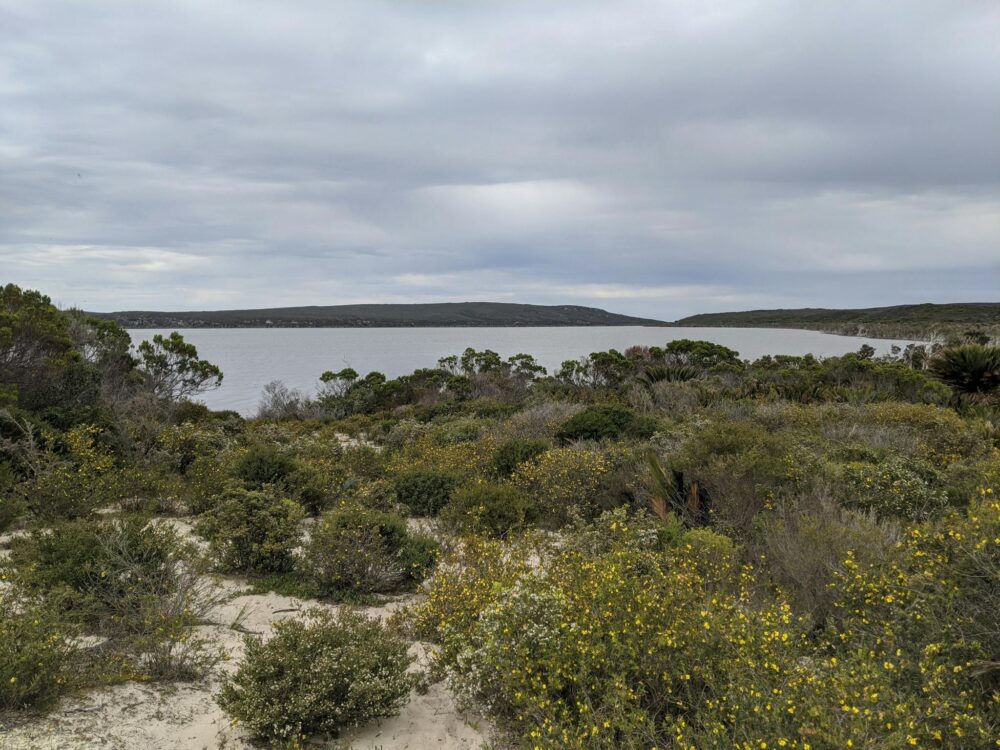
The Park is 80 kilometres west of Esperance, encompasses Stokes Inlet and features long beaches and rocky headlands backed by sand dunes and low hills. The inlet and associated lakes support a variety of wildlife.
There is no water available there or at the camping areas.
Helms Arboretum
This huge reserve is a botanist’s dream. Divided into two parts, a pine plantation and the arboretum, it was originally established in the 1970s to work out which types of trees and plants would grow in the region.
With the bush pockets accessible by gravel roads, it’s perfect for cruising in your car. However, by parking your vehicle near the picnic area and either walking or riding your bike, you get a much more immersive experience.
There are ample opportunities to indulge in photography and bird observing, and it’s a brilliant place for a picnic lunch or afternoon tea.
Helm’s Arboretum is home to eucalyptus, melaleucas, casuarinas, acacias, and many exotic pines. During spring you’ll find spider orchids, cowslips, and leschenaultia, enamel and donkey orchids, plus banksia. Red flowering gums in summer, silver princess in late winter, and the glorious royal hakea is on show all year round.
Kepwari Trails Wetland Wonderland
Kepwari Wetland Trail is a five-minute drive from the town centre of Esperance.
The one-way interpretative trail is 3.6 kilometres in length and is designed to be a learning experience. Information displays help you discover why these wetlands are important, why they are under threat and how you can help protect them for future generations.
The trail winds through fringing sedgelands, heathlands, under banksia canopies and over dune ridges with views of the wetland system and surrounding catchment.
The trail has been designed to protect native vegetation from the threat of die back. A return trip along the trail will take roughly 2.5 hours. You can start at either end. Shorter sections can be walked instead of the entire trail.
Dispersed along the trail are facilities for you to sit back, relax and soak up the serenity of the natural scenery.
Tourists are advised to check for alerts and road/park closures before commencing their travel on www.emergency.wa.gov.au and https://alerts.dbca.wa.gov.au
Cape Le Grand National Park
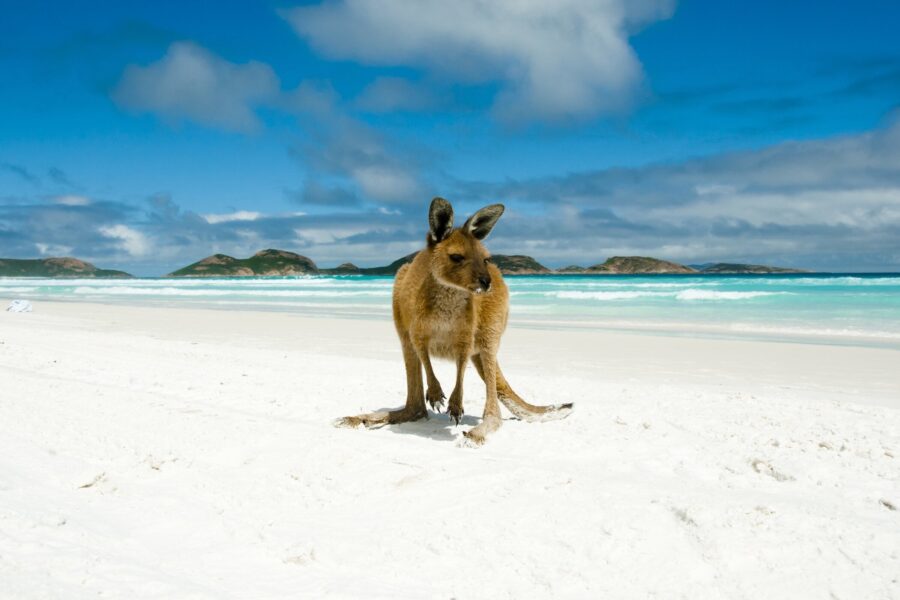
There aren’t too many places in Australia where kangaroos sunbake on the beach. Lucky Bay is home to a colony of friendly kangaroos which are often seen soaking up the sun. It also offers a great campsite and picnic area with beachside views.
This pristine park near Esperance is known for its stunning scenery and idyllic beaches where you can go swimming, bush-walking, fishing and camping.
The landscape changes from massive granite outcrops to freshwater pools and unbelievably white sandy beaches with views over many islands.
Many bush walking trails through the park traverse the rugged coast and beaches – enjoy the views and then stop off for a refreshing dip in the ocean.
In spring Cape Le Grand National Park bursts into colour as wildflowers bloom, including groves of banksia.
Cape Le Grand National Park by car takes about 45 minutes from Esperance. Day tours operate in the park.
Know before you go and check for alerts, emergency incidents and road/park closures www.emergency.wa.gov.au and https://alerts.dbca.wa.gov.au.
Mount Ridley
Seventy one kilometers north of town lies Esperance’s very own “Wave Rock”. Also known by its Nyungar name, Marbeleerup, Mt Ridley is a large granite outcrop which rises 300 meters above sea level. You can climb the summit for a fantastic vantage point overlooking the surrounding bushland. At the base of the rock there are some shaded picnic areas, making it a great day trip option. A four wheeled drive vehicle is often required during winter months, or whenever there has been lots of rain.
Travel with care
Phytophthora Dieback is the greatest threat to our natural heritage across the south coast region. It attacks and rots plant roots, destroying the bush, and spreads easily through soil carried on footwear, vehicles and camping equipment.
A little care makes a big difference:
- Take care when moving between areas, and clean soil off shoes and equipment.
- Avoid unsealed roads after rain.
- Stick to the marked tracks.
- Leave the flowers where you find them: don’t pick them.
- Plan your trip – drop into the Visitor Centre for current conditions and advise
For more tips on spotting Esperance’s wildflowers, including local botanist Katie’s favourite species, see our companion guide, In Full Bloom: An Esperance Wildflower Trail With Local Botanist Katie.
Keep Exploring
Curated trips to get you started.
Netted swimming, jetty slides, playgrounds, rock pools and white sand bays. A three-day family itinerary for Esperance, plus rainy day ideas.
Five days, the best of Esperance. Coastal lookouts, Cape Le Grand, an island cruise, a 4WD beach tour, scenic flights and stargazing, planned day by day.

Bring the dog. Three days of foreshore walks, coastal trails, dog-friendly beaches and outdoor dining in Esperance, plus where dogs can't go.
Embark on an unforgettable journey through Esperance's breathtaking landscapes on this 3-day, self-guided hiking adventure.
If you are faced with a rainy day while being in Esperance, there are plenty of things to do and see.