
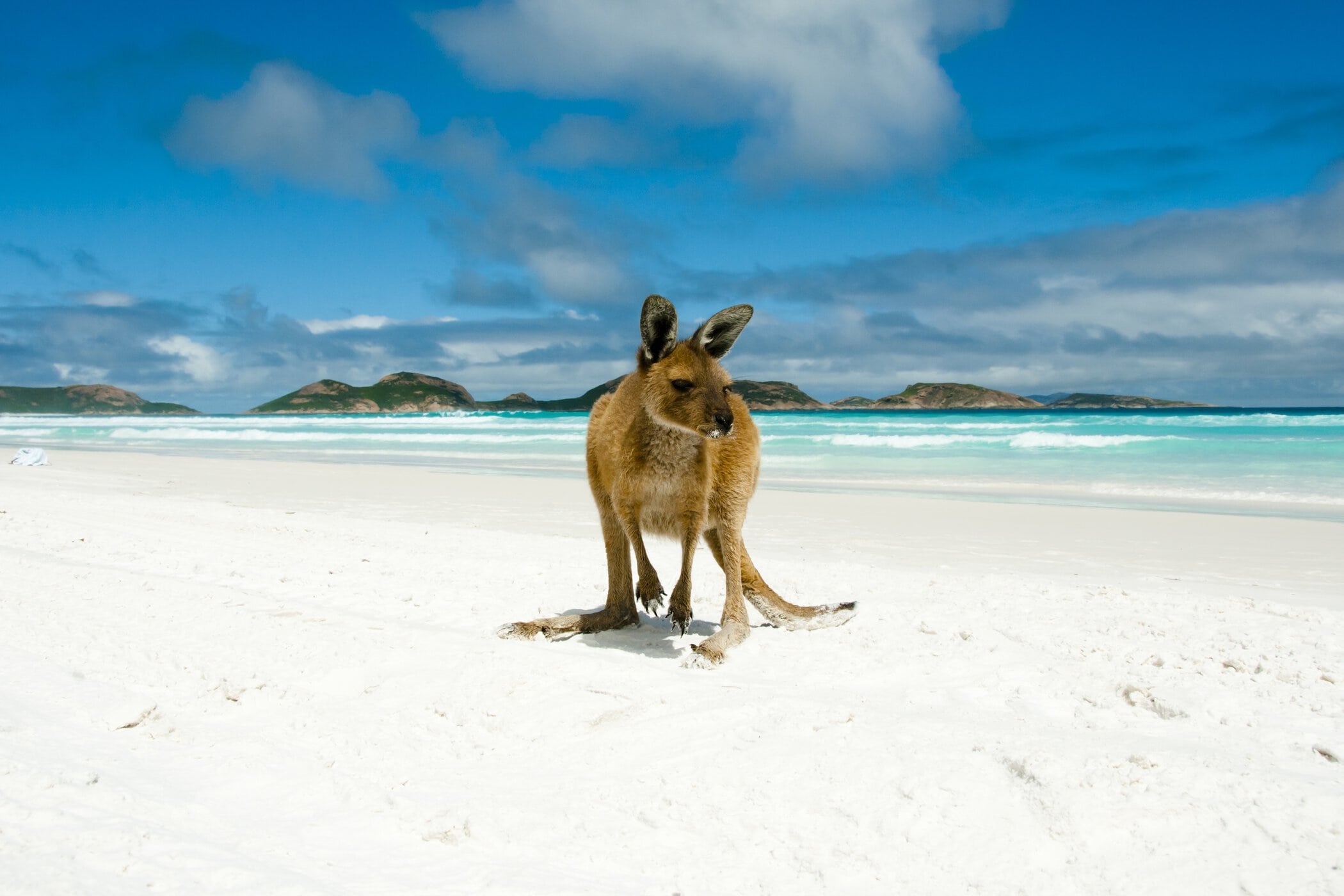
Pink Lake Lookout: free, on the Great Ocean Drive, about 7km from town · Best chance of colour: February to April · Lake Hillier: no visitor access
Yes, it's called Pink Lake. And no, it isn't pink. Not for decades now, anyway. Its famous offshore cousin, Lake Hillier on Middle Island in the Recherche Archipelago, has lost its bubblegum colour too.
Just west of Esperance, Pink Lake sits at the western end of the Lake Warden Wetland System, a chain of salt lakes, freshwater lakes and swamps recognised as internationally important under the Ramsar Convention. More than 190 bird species have been recorded across the wetlands, including migratory shorebirds that fly in from the other side of the world.
So come for the name, stay for the wetlands, and set your expectations: Esperance's pink lakes aren't what the old postcards promised, but there's still plenty to discover, from the story behind the colour to the wetlands you can walk and paddle.
How Pink Lake got its name
The lake started life as Spencer Lake. When its water turned a vivid pink against the green bush and blue sky, it earned a new name, and the surrounding suburb took the name too, and it became one of Esperance's best-known landmarks.
Then the pink faded. Today the lake is more often blue, silver or pale grey. The name has stayed, and so has the confusion: visitors still arrive expecting flamingo pink, and locals still get asked, "So, where's the pink?"
Covering around 1,040 hectares, Pink Lake is a shallow salt lake on the Esperance coastal plain, fed by rainfall and groundwater. It doesn't flow out to the ocean.
Why was Pink Lake pink?
The colour came from a salt-loving microalga, Dunaliella salina. In very salty water, it produces red carotenoid pigments to survive, and in large enough numbers it turns a whole lake pink. Researchers have also found salt-loving bacteria, such as Salinibacter ruber, help colour some of Australia's pink lakes.
So what changed? Salt is at the heart of the story. Salt was harvested from Pink Lake for more than a century, and over time the lake became too diluted for D. salina to bloom. The information sign at the Pink Lake Lookout tells the rest.
Visiting Pink Lake today: what you'll see
Visit expecting it won't be pink. The lake is at its saltiest in late summer as it starts to dry out, but these days it doesn't stay salty long enough for the pink to return. What you will see is a wide, open lake, pale grey, silver or white depending on the season and the light, fringed with coastal heath and dotted with waterbirds.
The best view is from the Pink Lake Lookout on Pink Lake Road, part of the Great Ocean Drive, about 7km from the Esperance town centre (around 10 minutes by car). It's a small pull-off with parking and an information sign about the lake and its history. It's free to visit, and there are no toilets or other facilities.
Come at sunset, when the water can sometimes glow a soft pink as the light fades. If you're driving the Great Ocean Drive from the Twilight Beach Road end, time your loop to reach Pink Lake as the sun goes down.
What happened to Lake Hillier?
Lake Hillier is the other pink lake people ask about. It sits on Middle Island, the largest of the Recherche islands, about 11km off the coast of Cape Arid National Park. Around 600m wide and shaped like a footprint, it's no longer the bubblegum pink it used to be: heavy rain washed soil from the island into the lake and turned it brown.
Boat trips and scenic flights to Middle Island have stopped for now, but nature is unpredictable, and the bright colour may return one day. In the meantime, scenic wildlife cruises still explore the islands closer to Esperance and you can take scenic flights along the beautiful coastline.
Explore Esperance's wetlands
Pink Lake is the western end of a much bigger story. The Ramsar-listed Lake Warden System takes in Lake Warden, Woody Lake, Wheatfield Lake, Station Lake, Mullet Lake, Ewans Lake and part of Windabout Lake, with paperbarks, rushes and sedges around the shorelines and banksia and mallee on the higher ground. In winter the lakes fill and link up, and in dry years they're a refuge for waterbirds from across south-western Australia. Within a short drive of town, you can walk boardwalks and bush tracks, paddle from lake to lake, or settle into a bird hide with a pair of binoculars.
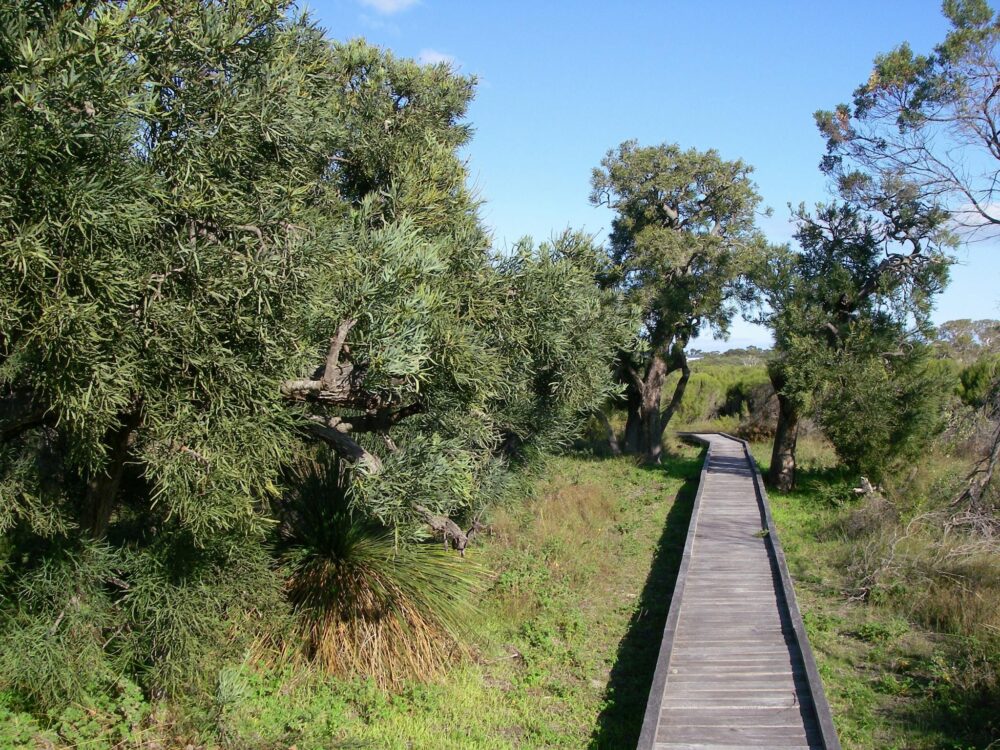
Walk the Kepwari Trails
At Woody Lake Nature Reserve, about 7km from town off Windabout Way, the Kepwari Trails (Kepwari is the Wudjari Nyungar word for "place of moving water") wind through wetlands, fringing sedgelands, melaleuca thickets, heathland and dune ridges. The full trail is about 7.2km return, but you can walk as much or as little as you like, with bird hides and seating along the way. It's sheltered from the wind and family-friendly, so it's a good choice on a breezy day. Pack insect repellent and watch out for snakes.
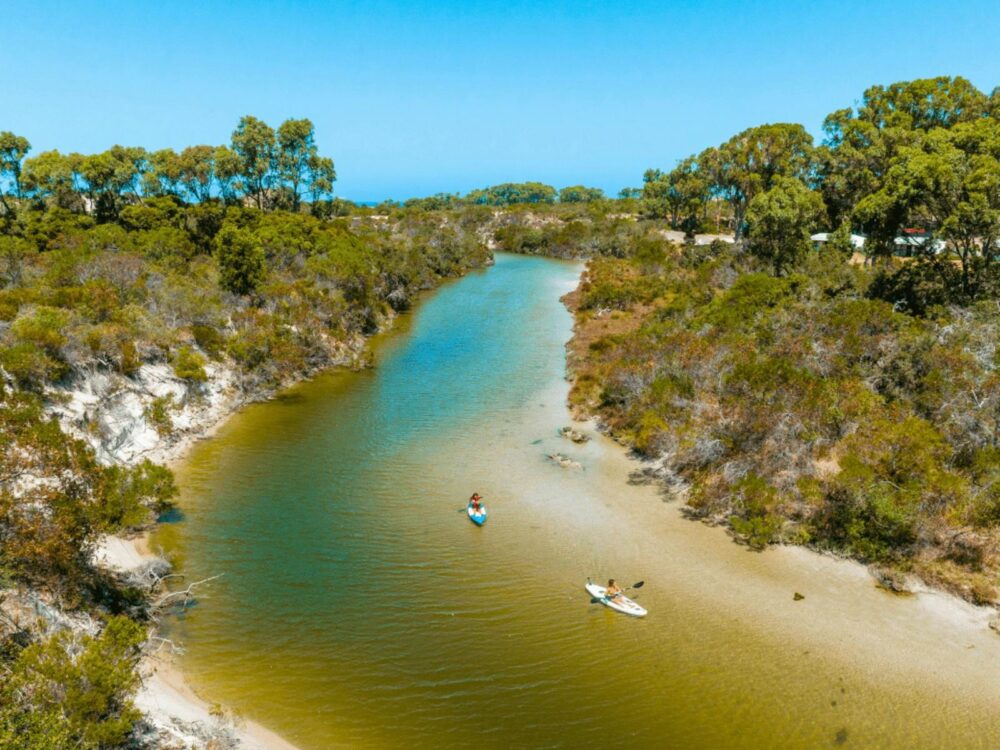
Paddle the Esperance Lakes Canoe Trail
The Esperance Lakes Canoe Trail is a relaxed paddle through the same wetland system, linking Lake Wheatfield, Woody Lake and Windabout Lake. Launch your canoe or kayak from the Woody Lake boat ramp or the Lake Wheatfield car park, and follow the reflective markers set roughly every 200 metres. June to December, when water levels are highest, is the best time to get out on the water.
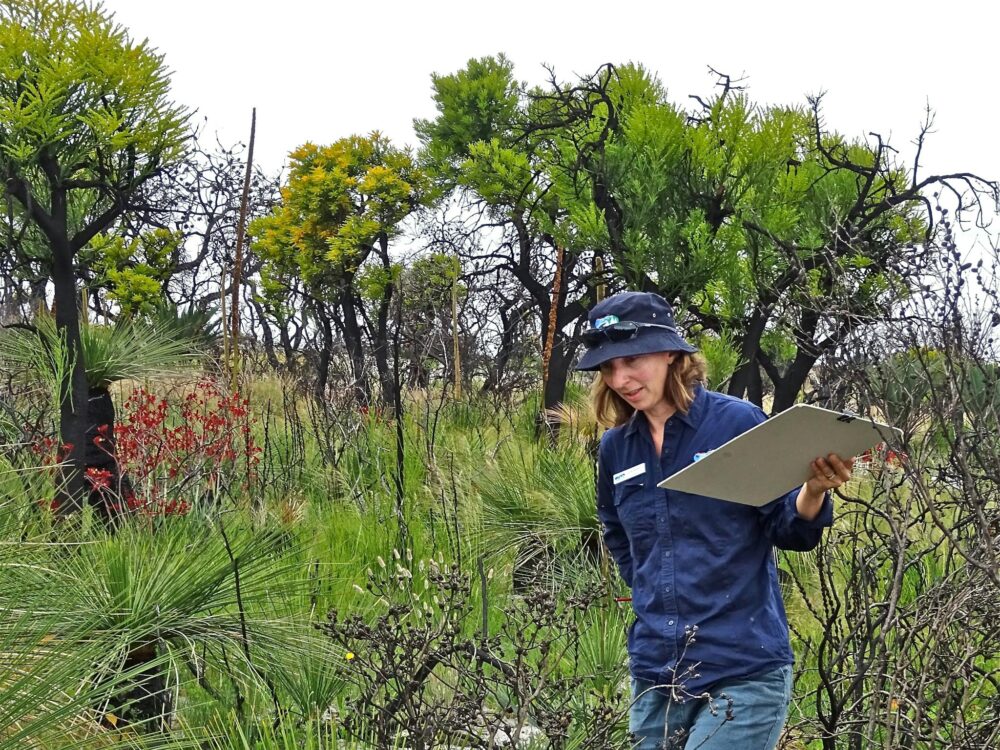
Lake Monjingup, Murdidyinakabi
On Telegraph Road, 9.4km from Esperance, Lake Monjingup Reserve is an easy outing for a picnic, a walk or birdwatching. A wooden boardwalk winds over the water through a paperbark wetland, and a 1km loop passes banksias and other native plants regenerating after a 2015 fire. There's an Environmental Centre with information on the reserve's plants and animals, plus toilets and picnic tables.
Go birdwatching
With more than 190 bird species recorded, the wetlands are one of the best places near Esperance to bring your binoculars. Look for black swans, Australian shelducks, chestnut and grey teal and banded stilts on the water. The lakes are also home to a significant share of the region's hooded plovers, a rare shorebird that breeds at Station Lake and Lake Warden, and 25 species of migratory waterbirds visit as part of their annual journeys.
The hides along the Kepwari Trails let you watch without disturbing them, and Lake Monjingup and the Pink Lake shoreline are worth a look too. Early morning and late afternoon are usually the liveliest times. Move quietly, keep your distance and stay on the paths.
Further west, Lake Gore is Esperance's second Ramsar-listed wetland, a salt lake 34km from town where thousands of Australian shelducks gather each year to moult. It's managed for conservation rather than visitors, but it's part of what makes this stretch of coast so important for waterbirds.
Before you go
- Set your expectations: Pink Lake isn't pink these days, and trips to Lake Hillier aren't running.
- Stay out of the water: the lake is salty and muddy, and it's a sensitive natural place. Esperance's beaches are a short drive away.
- On the trails: stay on boardwalks and marked tracks, and clean soil off your shoes to help stop the spread of dieback.
- Wildlife: give waterbirds plenty of space, especially on the shoreline.
Find & Book
Plan our Trip
Curated trips to get you started.
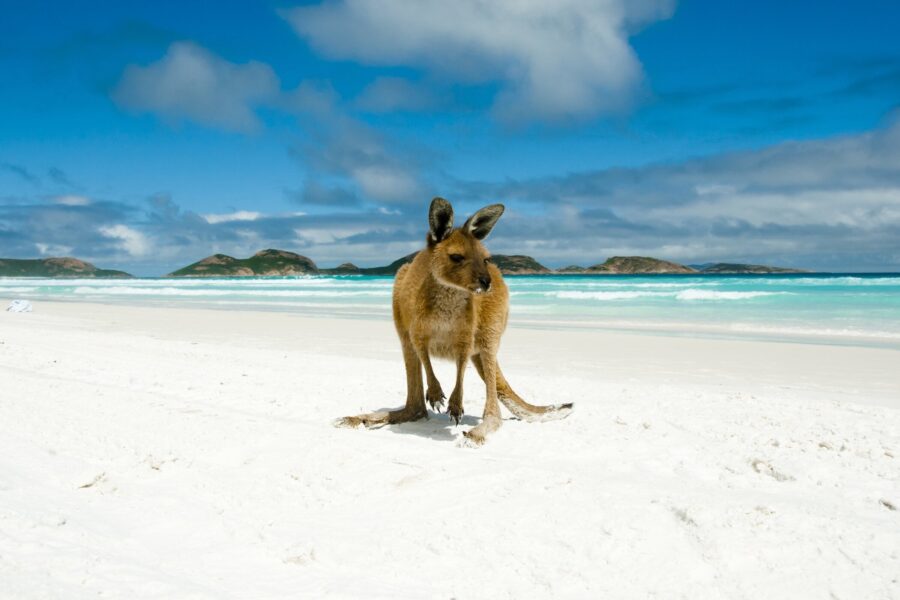
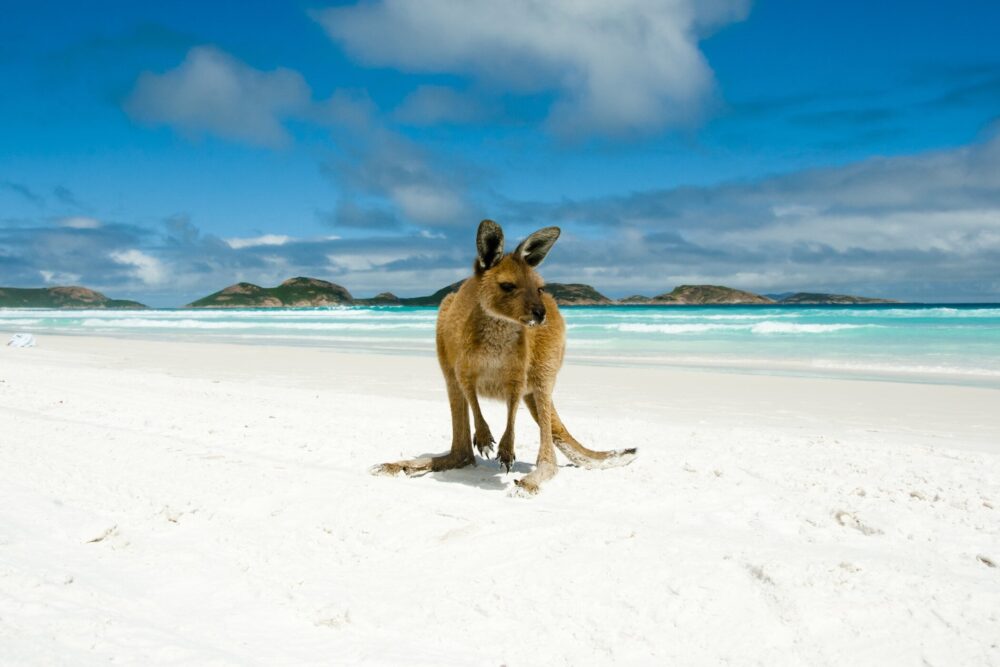
Five days, the best of Esperance. Coastal lookouts, Cape Le Grand, an island cruise, a 4WD beach tour, scenic flights and stargazing, planned day by day.
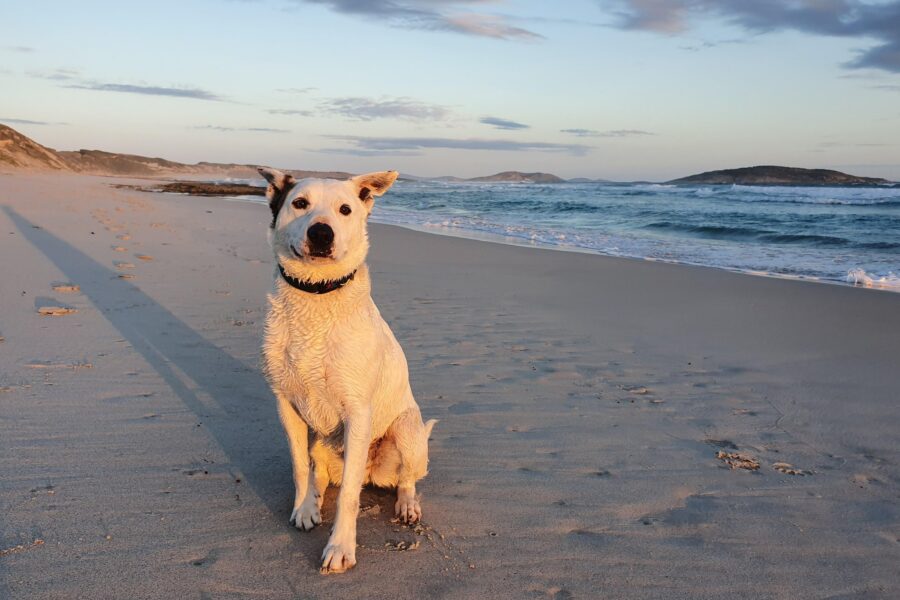
Bring the dog. Three days of foreshore walks, coastal trails, dog-friendly beaches and outdoor dining in Esperance, plus where dogs can’t go.
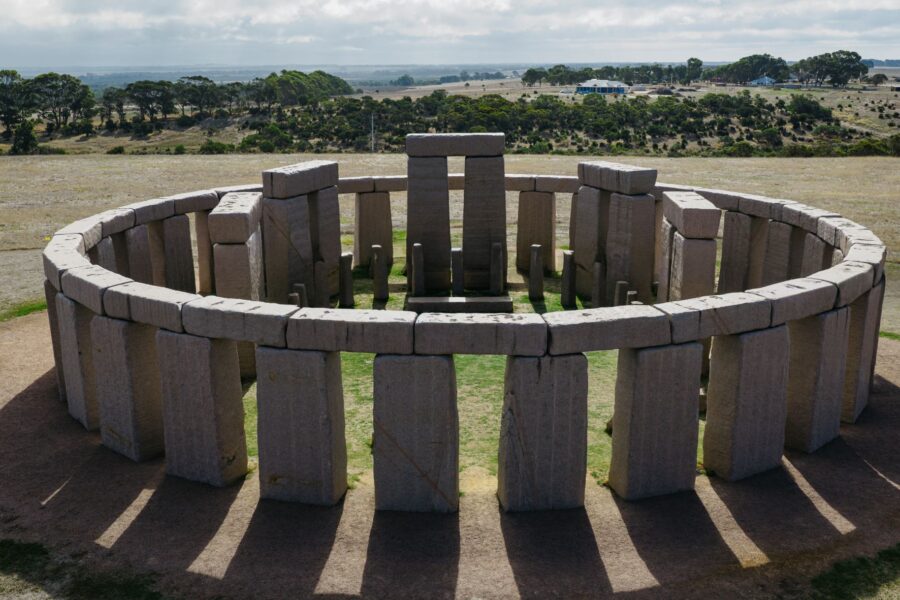
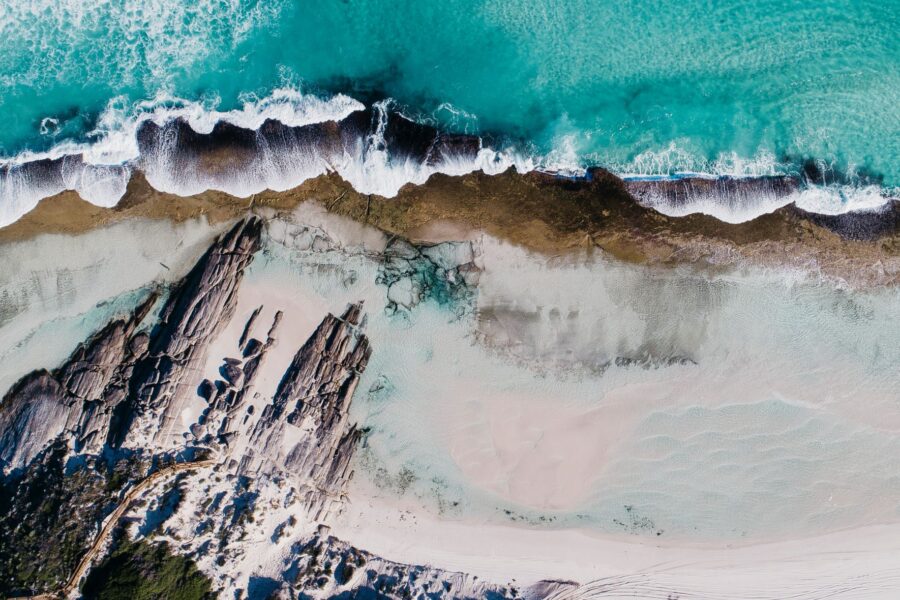
One of the most enchanting stretches of oceanside road you’ll ever set wheels on.
Frequently Asked Questions
Rarely. Its colour came from the microalga Dunaliella salina, which needs very salty water. More than a century of salt harvesting diluted the lake, and today it’s more often blue, silver or grey than pink.
Esperance has a lake named ‘Pink Lake’, but it is no longer pink. If you really want to see a pink lake within Western Australia Hutt Lagoon, near Port Gregory on WA’s Coral Coast, is your best bet.
The lake is no longer pink, so when you visit it won’t increase your chances of a colour change. That said, watching the sunset over Pink Lake can be a pleasant experience if you manage your expectations.
No. Pink Lake is about 7km from the Esperance town centre on the Great Ocean Drive. Lake Hillier is on Middle Island in the Recherche Archipelago and has no visitor access. Neither lake is pink.
No. The water is salty and can irritate your skin, the bottom is soft, smelly mud, and the lake is a protected wetland. Esperance’s beaches are only minutes away.
No. The Pink Lake Lookout is free, with parking and an information sign, but no toilets.Keep in mind the lake is no longer pink.
Esperance has two Ramsar-listed wetlands of international importance: the Lake Warden System on the edge of town, and Lake Gore to the west. They’re a refuge for waterbirds, including rare hooded plovers, chestnut teal and migratory species, and the Lake Warden wetlands are easy to explore on foot or by canoe.
Where can I go birdwatching near Esperance? Start with the bird hides on the Kepwari Trails at Woody Lake Nature Reserve, then try the boardwalk at Lake Monjingup and the Pink Lake shoreline. Look for black swans, Australian shelducks, chestnut teal and banded stilts. Early morning and late afternoon are usually the liveliest times.
Yes. The Esperance Lakes Canoe Trail links Lake Wheatfield, Woody Lake and Windabout Lake, with launch points at the Woody Lake boat ramp and the Lake Wheatfield car park. June to December, when water levels are highest, is the best time to paddle.
Yes. It’s sheltered from the wind, with bird hides and seating along the way, and you can walk as much or as little of the 7.2km return trail as you like. Pack insect repellent.
Keep exploring
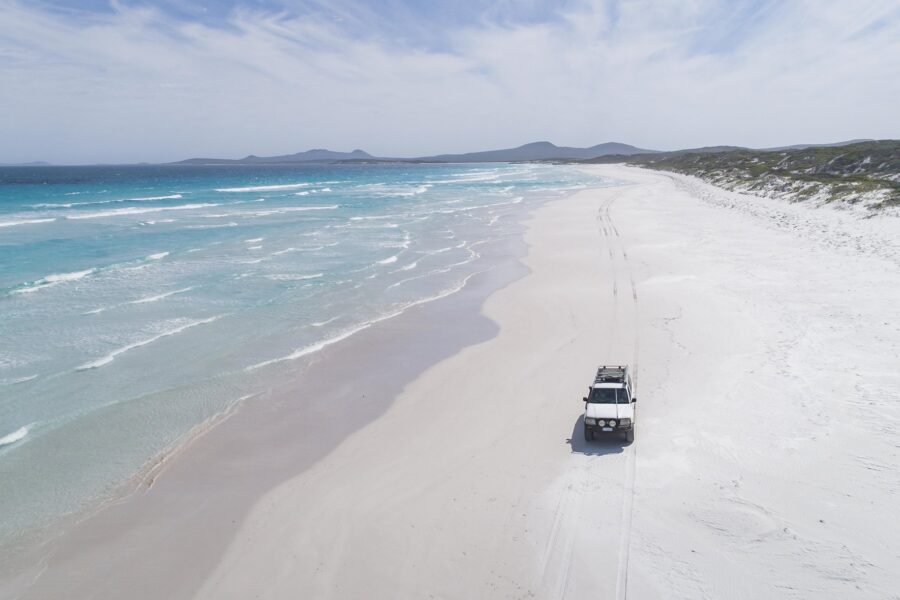
From scenic road trips through the region, to what to do on a rainy day, find a ready-made plan to suit your time and travel style.
Accommodation in Esperance embodies the coastal lifestyle; grounded and understated, offering a window to the outdoors and an invitation to explore.
Plan where to eat and drink in Esperance: coffee, bakeries, cafes, dining out, takeaway and pubs, plus tips for picnics and days out.