
Esperance, like much of Western Australia, runs on two calendars. There's the four seasons most visitors know, summer, autumn, winter and spring, and there's the six seasons of the Wudjari Nyungar people, who have read this Country, Kepa Kurl, by its weather and wildlife for millennia. Both are worth knowing as you plan the timing of your visit.
Weather here can shift fast: it's not unusual to see four seasons in a single day, and the region has a reputation for being windy. Summer is peak season, warm and long, great for being outdoors, but it can also be quite windy! The shoulder seasons either side, autumn and spring, trade a little warmth for calmer winds, fewer people and the conditions locals rate as the best all year. Winter is the quiet season, cooler and wetter, but it's also whale season, with wildflowers starting to stir toward its end.
This guide walks through what to expect across the four seasons, along with the six Nyungar seasons, so that you can plan your perfect time to visit.
Local Weather
The Four Seasons
-
Summer (December–February), peak season
Warm, long, mostly clear days, prime swimming, surfing and snorkelling weather. Mornings are calmer, sometimes north-easterly, before swinging south-easterly through the afternoon; some days bring a strong easterly that holds all day. This is Esperance's busiest season, so book accommodation and campsites well ahead. Scenic flights, island tours and stargazing are also possible during summer.
-
Autumn (March–May), shoulder season
Locals' favourite, and a shoulder season without the usual trade-offs. Wind drops off, temperatures stay comfortable, days stay mostly clear and crowds start to thin out. Mornings tend north or north-westerly, swinging south-easterly by afternoon, generally lighter than summer. Swell starts building through autumn and carries into winter.
-
Winter (June–August), off-peak
The quietest season, cooler and wetter, with the biggest swells of the year. It's also prime time for whale watching: Southern Right Whales calve in the bays from June to October, some close enough to spot from shore, and for having the coast to yourself and the possibility of a cosy campfire. Sunny, clear days are more common than you'd expect, pack for both. Some shops will close during this period to take an off season break, although not generally at the same time.
-
Spring (September–November), shoulder season
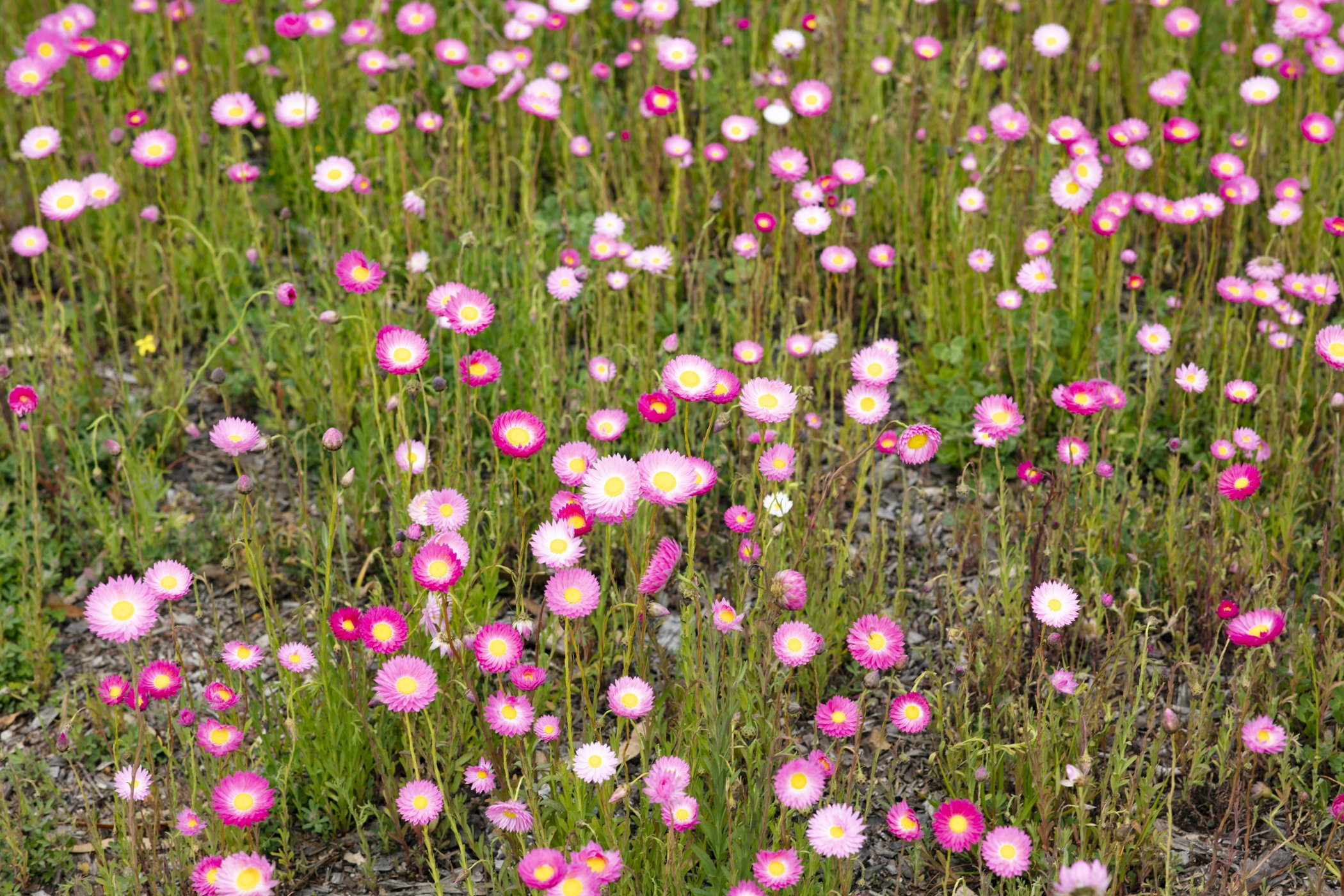
Wildflower season, canola fields turn gold and native flowers bloom across the heathland, while whales are still calving in the bays. Crowds start increasing in line with the Wildflower festivals and swell drops off as temperatures warm. Wind follows a pattern similar to autumn, north-westerly mornings swinging south or south-easterly by afternoon, generally lighter than summer or winter.
Wudjari Nyungar Seasons
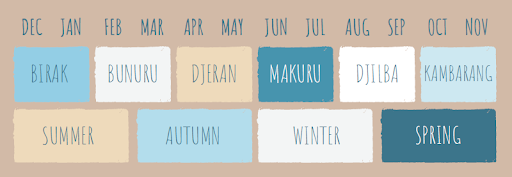
The Wudjari Nyungar people, who call this Country Kepa Kurl, read the year through six seasons rather than four. Each is marked by changes in nature rather than fixed dates, a shift in weather, a plant flowering, or reptiles going into hibernation, knowledge built over millennia that guided sustainable hunting and gathering by knowing exactly when a particular plant or animal was abundant.
Hot & dry. Winds from the south-east. Birak is the first summer season — hot and dry, with strong south-easterly winds sweeping across the coast. The land dries out and animals seek shade and water. It's an ideal time to enjoy Esperance's beaches before the peak heat of Bunuru arrives.
Hottest season. Sea breezes bring relief. Bunuru is the hottest part of the year, with long dry days and fierce afternoon sea breezes rolling in off the Southern Ocean. The granite outcrops shimmer with heat and coastal wildlife retreats to cooler pockets. Early mornings offer spectacular golden light over the archipelago.
Cooler days. Wildflowers begin to appear. Djeran brings cooler, more comfortable days as the summer heat fades. Wildflowers begin pushing through the sandy soils and the first rains soften the earth. The ocean remains warm from summer, making it a wonderful shoulder season for exploring Cape Le Grand and the national parks.
Cold & wet. The fertile season. Makuru is the cold and wet season — the most fertile time of the year. Heavy rains replenish wetlands and rivers, and the Noongar people traditionally used this season for ceremony and storytelling around fires. Esperance's pink granite coastline takes on a dramatic, brooding beauty under stormy skies.
Mixed rain & sunshine. Wildflowers bloom. Djilba is a season of transition — a beautiful mix of cold rainy days and warm sunny spells. Wildflowers carpet the roadsides and heathlands in extraordinary colour. Butterflies and birds emerge in abundance. This is peak wildflower season for the Esperance region and one of the best times to visit.
Warming up. Wildflower season peaks. Kambarang is the season of flowers — the land bursts into full bloom as the days warm and the rains ease. Everlastings, banksias and hakeas transform the landscape. Wildlife is active and abundant. It's the ideal time for bushwalking, coastal drives, and soaking in the remarkable biodiversity of the south coast.
It can get windy in Esperance
Esperance is shaped by the elements, sun, wind, earth and water. Understanding how wind shifts through the seasons can make a real difference to your trip: south-easterlies dominate through summer, dropping off through autumn, before swinging to north-westerlies through winter, with spring sitting between the two.
An offshore wind blows from the land out to sea; an onshore wind blows from the sea onto the land; a cross-shore wind runs side-on to the coast. Offshore winds are the ones to chase, whether you're after a swim, a surf, a fish or just a calm stretch of coast to walk, they smooth the water into glassy conditions. Onshore winds do the opposite, stirring up chop. As a rule, mornings favour offshore winds and afternoons favour onshore, as land and sea heat up at different rates through the day.
Wind through the year: summer mornings are generally calmer, sometimes north-easterly, before swinging south-easterly through the afternoon, with some days holding a strong easterly all day. Autumn winds ease off, tending north or north-westerly in the morning and south-easterly by afternoon, lighter than summer throughout. Winter brings the year's biggest swells as winds swing more consistently north-westerly. Spring follows a pattern similar to autumn, north-westerly mornings turning south or south-easterly in the afternoon, generally lighter than summer or winter.
Once you know which way the wind's blowing, picking your beach is easy. The Esperance Beaches Guide matches every beach to the wind direction and your preferred activity, so you can find the right spot for the day. Download the guide.
Seasonal Itineraries
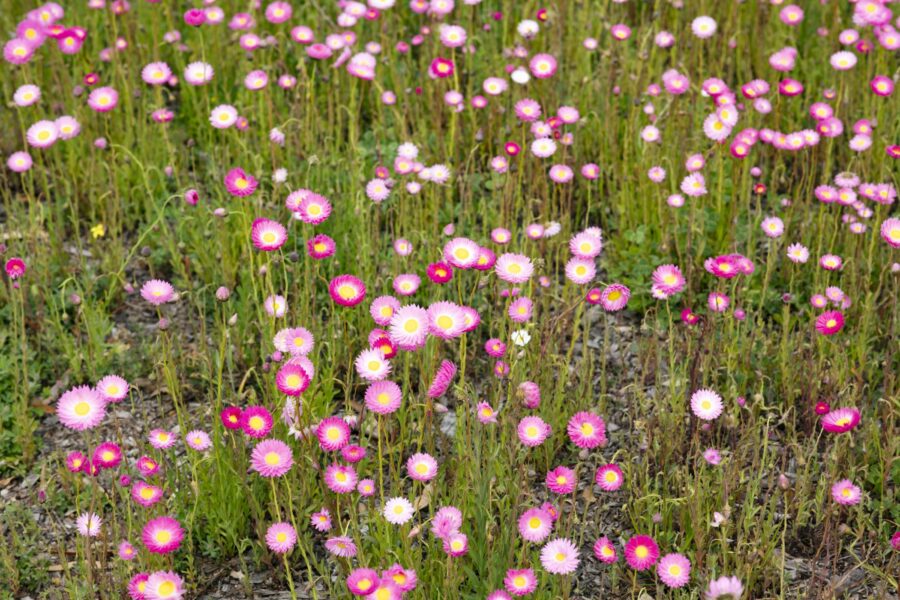
This trail takes you through seven of the region’s best wildflower spots, starting right in town and working out into the bush.
If you are faced with a rainy day while being in Esperance, there are plenty of things to do and see.
Frequently Asked Questions
Every season offers a different experience, but locals tend to favour autumn, “Marvellous March” and “Magic May” are the affectionate local names for this time of year. The wind drops off, temperatures stay comfortable, days stay mostly clear and crowds thin out – though the secret’s largely out by now.
Yes. South-easterlies are the most common wind, strongest through summer, Esperance’s windiest season, and dropping off through autumn and spring. Winter can bring some stormy weather, but with a surprising number of clear and calm days.
Esperance can run through four seasons in a day – warm and sunny one hour, cool and wet the next. We have a saying here; ‘Bikini then a Beanie’, and don’t forget to pack a jumper, meaning be prepared for a bit of everything.
Southern Right and Humpback Whales can be seen off the coast of Esperance from June through October. There are no specific whale tours, it’s all luck and land-based whale watching here, which is spectacular when you do spot them. Sometimes whales can be seen from boat tours, although sightings are pretty rare – dolphins and sea lions are much more common.
Spring (September to November) is peak wildflower season, though some species start flowering as early as August, and the Western Australia Christmas Tree can still be enjoyed in December.
Winter is the quietest time of year, followed by Spring.
Mornings generally, when offshore winds keep the water calm. Once the onshore breeze picks up in the afternoon, switch to a beach sheltered from that direction. See the Esperance Beaches Guide for which beach handles which wind.
Keep exploring
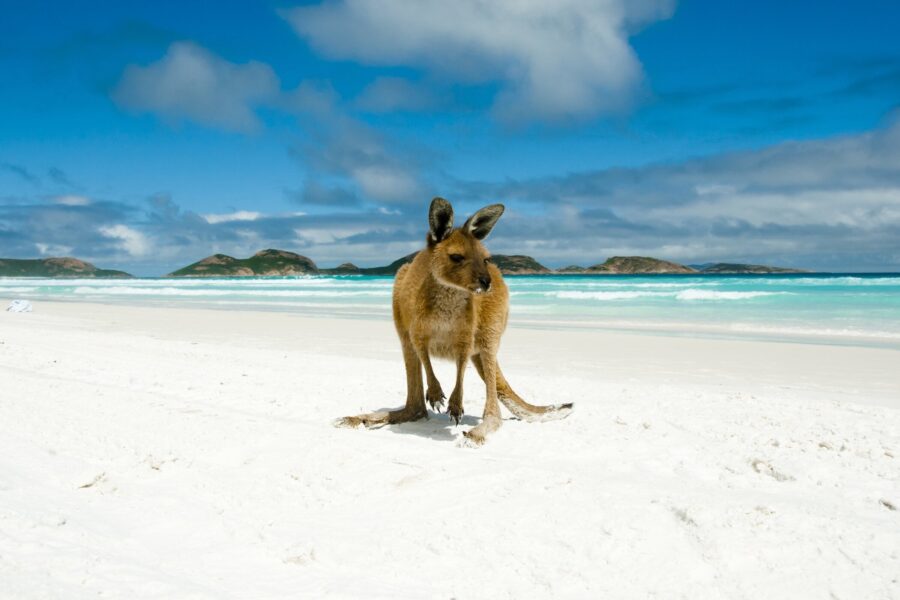
Drive, fly or take the coach. Find the best way to reach Esperance and get around once you arrive.
Download maps and guides to the beaches, trails, Great Ocean Drive and more.
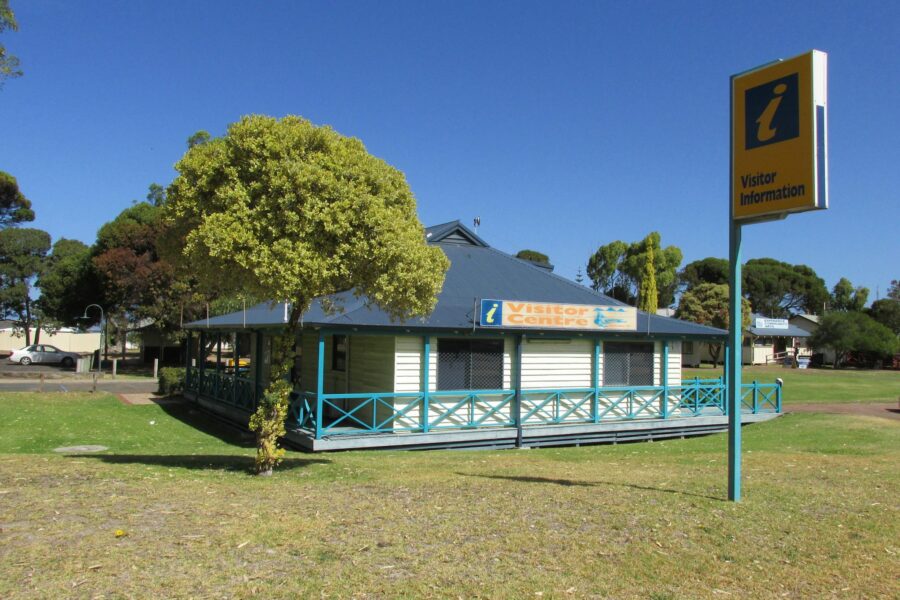
The Esperance Visitor Centre staff can assist you with planning your trip, give us a call or email us your questions. Drop in to the Centre for local tips and timely advice from the people who know the region best.
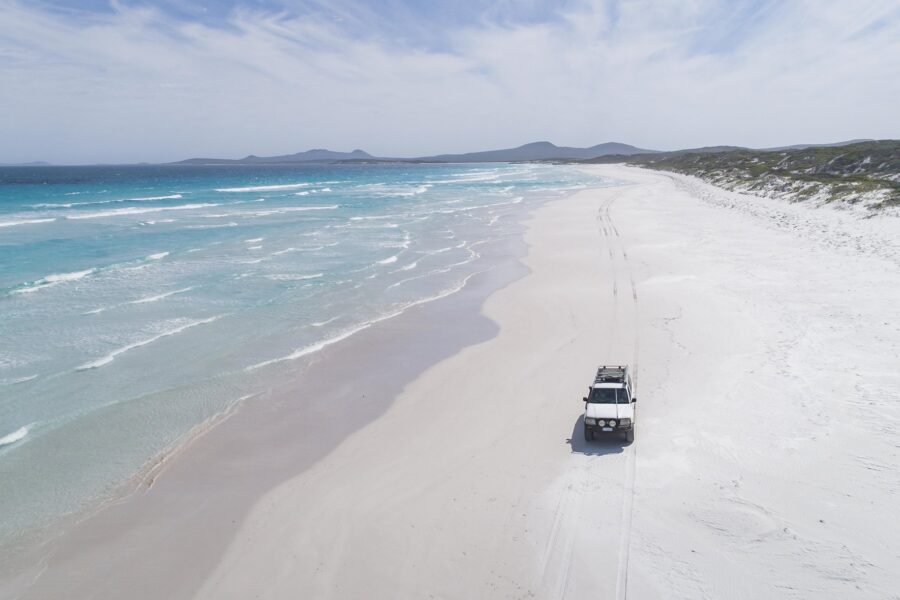
From scenic road trips through the region, to what to do on a rainy day, find a ready-made plan to suit your time and travel style.
Help care for this place and its people. Learn how to travel responsibly and return home safely. Make the Esperance Promise before you go.
Check holiday dates to plan ahead, book early for peak times, or find a quieter time to visit.