
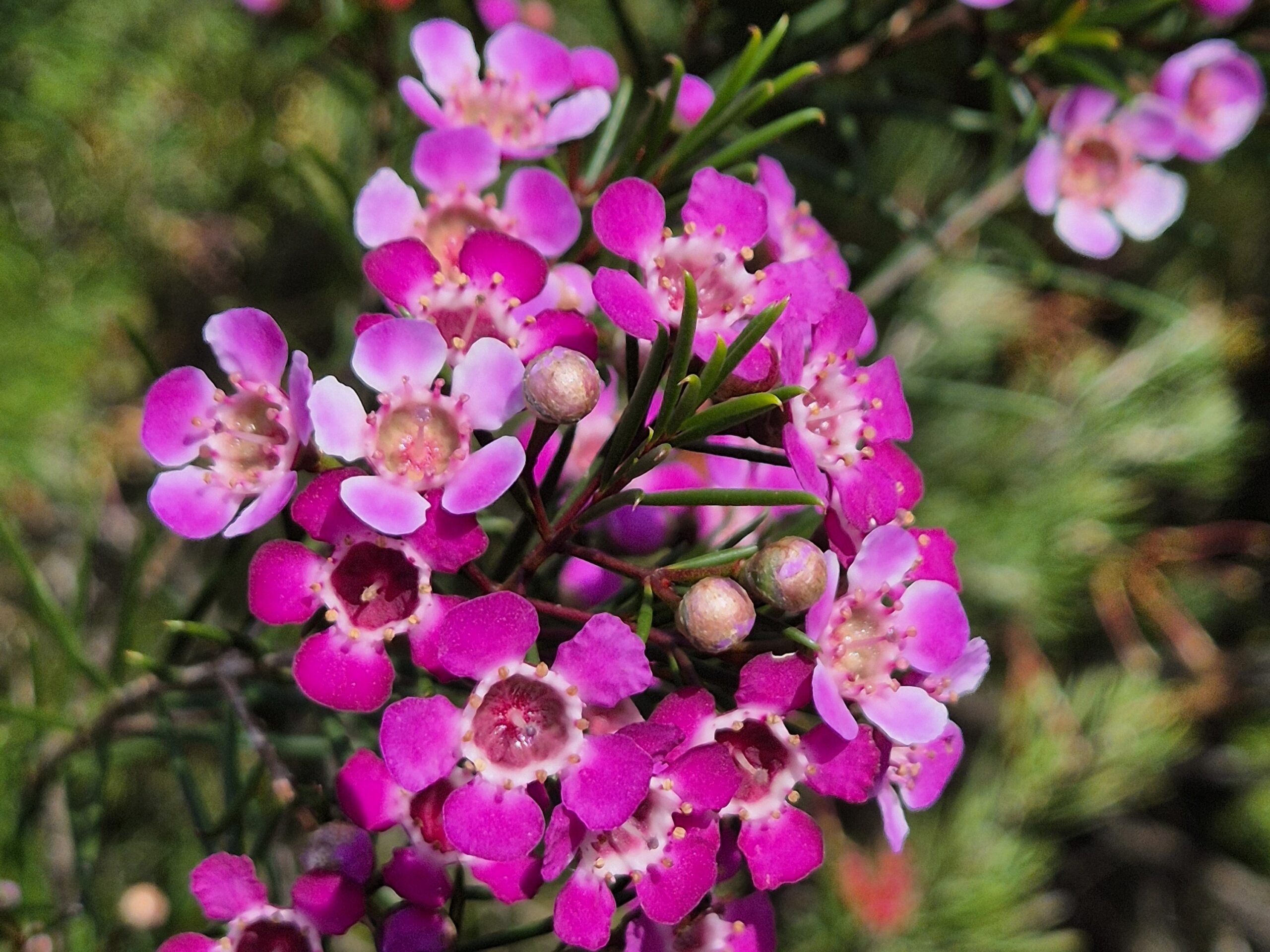
August to November · 29 banksia species · orchids from late winter · hotspots from 7km to 80km from Esperance
Esperance sits within one of the world's recognised biodiversity hotspots, the Southwest Australian Floristic Region, where native plant diversity is among the richest on Earth. Many of the species flowering here grow nowhere else.
From August to November, the season moves through the region's coastal heath, sandplains, wetlands and granite outcrops: native orchids, banksias, hakeas, grevilleas and dozens of other species. You'll find them in the national parks, on walking trails close to Esperance, and along the roadsides on the way.
The best way to see them is on foot. Park the car, walk a trail, and take your time. The diversity along the trail is often as remarkable as the view.
When is wildflower season in Esperance?
The main wildflower season runs from August to November, with spring the peak. But something is flowering around Esperance for much of the year.
-
Winter (from June)
The Pin Cushion Hakea takes over roadsides and gardens across the sandplains.
-
Late winter to early spring (August and September)
The first wildflowers appear and native orchids begin to flower. In the Wudjari Nyungar calendar, this is Djilba, the season of second rains and first wildflowers.
-
Spring (September to November)
The peak of the season, with orchids, grevilleas, hakeas and heath species flowering together. Most of the region's banksias bloom from September through to January.
-
Autumn
Look for the yellow flowers of the bell-fruited mallee at Stokes National Park.
Every season is different. Timing and abundance depend on winter rainfall, and a wet winter usually brings a stronger spring display. Find out more about Esperance's six Wudjari Nyungar seasons on the Seasons page.
What you'll see
Banksias
Esperance's coastal sandplains are a banksia hotspot, with 29 species growing in and around the region, from tree-sized banksias to ground-hugging shrubs. Most flower between September and January. The roadsides along Neds Corner Road and Cascade Road put on a particularly good show in spring.
Fun Fact
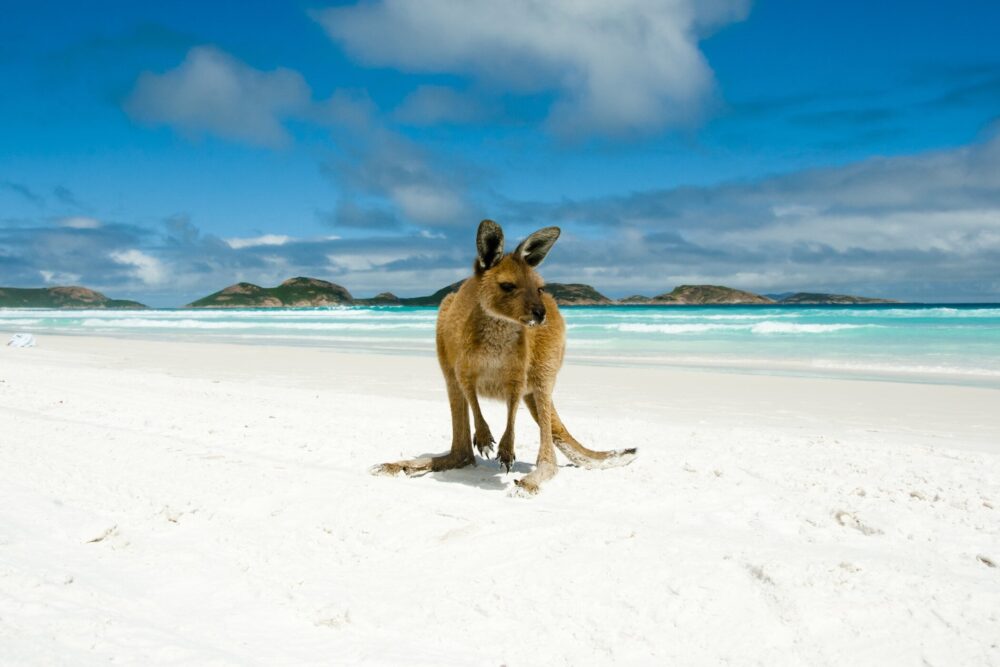
The showy banksia (Banksia speciosa), endemic to this stretch of coast, was first collected at Lucky Bay in 1801 by the botanist Robert Brown.
Pin Cushion Hakea
From around June, the Pin Cushion Hakea (Hakea laurina) lights up roadsides and gardens. Its round flowerheads shift from cream and yellow through pink to dusky rose as the individual flowers mature.
Native orchids
Spring is the time for orchids. Look for Spider, Enamel, Cowslip and Donkey Orchids around Helms Arboretum, and orchid colonies at Dempster Head in late spring. Inland, more than 30 orchid species have been recorded around Peak Charles.
Grevilleas, heath and wetland species
On the walking trails, look for grevilleas, Bluegrass Lily, Pom-Pom Darwinia and Australian Christmas Trees, alongside melaleuca, eucalypt and allocasuarina species. Many of them feed the honeyeaters you'll hear in the heath.
To identify what you find, use the WA Herbarium's FloraBase(opens in new tab).
Where to find wildflowers near Esperance
In and around Esperance
-
Dempster Head and Rotary Lookout (end of Doust Street): four short, colour-coded walking tracks with views over Esperance and the Recherche Archipelago. Orchid colonies flower in late spring, with Bluegrass Lily, Pom-Pom Darwinia and banksias through the rest of the year.
-
Woody Lake Nature Reserve, Kepwari (Windabout Way, 7km): the Kepwari Trail winds through wetlands, fringing sedgelands, melaleuca thickets, heathland and dune ridges.
-
Lake Monjingup, Murdidyinakabi (Telegraph Road, 9.4km): an over-water boardwalk through a paperbark wetland, and a 1km loop past Proteaceae and Myrtaceae species regenerating after a 2015 fire.
-
Helms Arboretum (Coolgardie-Esperance Highway, 17km): 412 species of native and introduced trees planted in the 1970s, with spring orchids scattered through the reserve.
Day trips
-
Cape Le Grand National Park (50km): coastal heath full of banksias and Australian Christmas Trees, with the Coastal Trail passing melaleuca, hakea, grevillea and eucalypt species. Pair it with a swim at Lucky Bay or Hellfire Bay.
-
Stokes National Park (80km west): yates and paperbarks along the inlet, coastal heath and mallee bushland, and the bell-fruited mallee in autumn.
-
Mount Ridley, Marbeleerup (Dempster Road, 71km): a granite outcrop with sweeping summit views, roadside wildflowers in spring, and orchids, hakeas, Borya, allocasuarinas and cypress pines among its granite specialists. A 4WD is recommended in winter. This is a special place to the Wudjari Nyungar people, so please treat it with respect.
Further afield
-
Peak Charles National Park (174km north-west): more than 30 orchid species on the slopes of the granite, within the Great Western Woodlands.
-
Cape Arid National Park (120km east): remote coastal heath that bursts into wildflowers in spring, for self-sufficient travellers.
-
Fitzgerald River National Park (west, via Hopetoun): home to nearly 20 per cent of Western Australia's flora species, more than 60 of them found nowhere else.
Along the roadsides
Some of the best displays are along the roads in and out of Esperance, including Neds Corner Road and Cascade Road for banksias in spring. If you stop, pull well off the road where it's safe, and watch for traffic.
Itinerary
Follow the Wildflower Trail
Want the hotspots joined up into a route? The Wildflower Trail itinerary takes you stop by stop through the best of the season, so you can plan your days around the flowers.
Events
Wildflower festivals
-
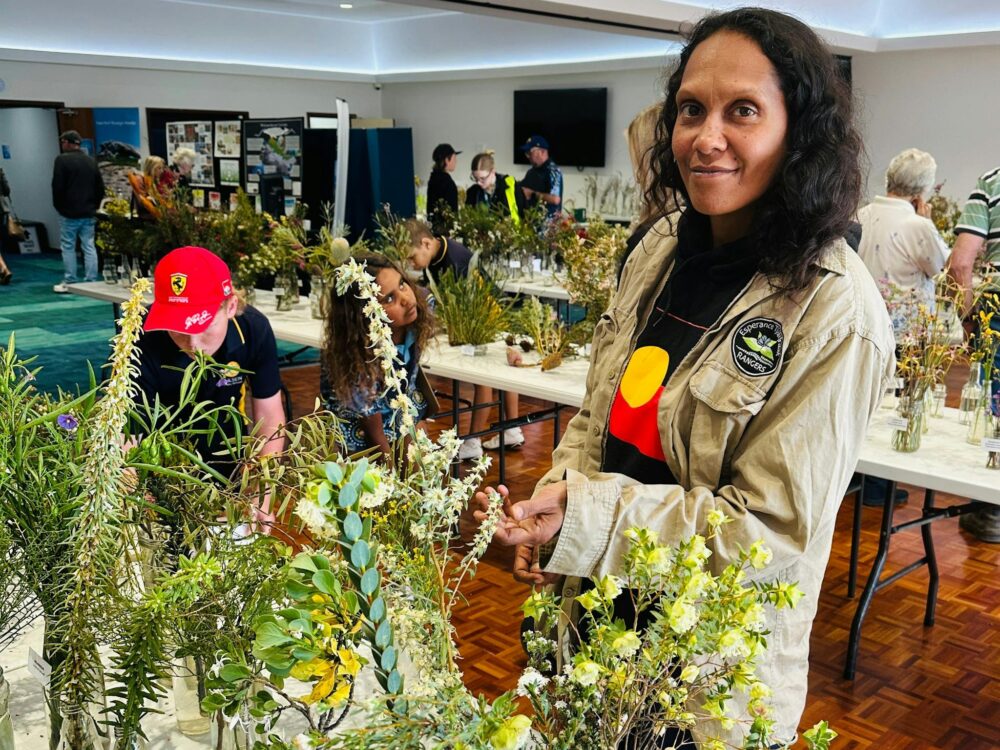
Djilba Wildflower Festival: The annual Esperance Wildflower Festival in September is Australia's only First Nations-led wildflower festival, bringing together Wudjari Nyungar cultural knowledge, wildflower expertise, art and environmental research. It's timed to Djilba, the season of second rains and first wildflowers.
-
Ravensthorpe Wildflower Show: each September in Ravensthorpe, on the way to Fitzgerald River National Park.
Photographing wildflowers
-
Light: soft morning light or an overcast day brings out colour and detail without harsh shadows.
-
Get close: a macro lens, or your phone's macro mode, captures orchids and banksia detail. Go wide to show flowers against granite, heath or ocean.
-
Stay on the track: step carefully, and never trample plants for a better angle.
-
Drones: drones aren't permitted in WA national parks without approval from DBCA. Check the rules before you fly.
Caring for wildflowers
Wherever there are flowers, there are insects, so pack repellent, sunscreen, a hat and long sleeves. A few simple rules keep the wildflowers there for the next visitor too.
-
Take only pictures, leave only footprints. Wildflowers are protected, and picking them is illegal without a permit. What looks like an ordinary flower may be rare.
-
Be dieback smart. Phytophthora dieback is the greatest threat to the region's bushland, and it spreads through soil on shoes, tyres and camping gear. Clean your shoes and equipment before and after visiting, stay on formed tracks, and avoid unsealed roads after rain.
-
Respect special places. Some wildflower sites, such as Mount Ridley, are significant to the Wudjari Nyungar people. Treat them with care.
Make The Esperance Promise before you head out, to ensure you travel responsibly and return home safely.
Plan your wildflower trip
- When to book: spring is a popular time to visit Esperance, so book accommodation early, especially around the Esperance Wildflower Festival in late September.
- Pair it with the coast: a day at Cape Le Grand covers wildflowers on the Coastal Trail and a swim at Lucky Bay or Hellfire Bay.
- Walk, don't just drive: many of the best displays are on short trails within 20km of Esperance, so you can see a lot in a day without a long drive.
- Identify what you find: use the WA Herbarium's FloraBase, and take a field guide or app with you.
Find & Book
Frequently Asked Questions
The main season runs from August to November, peaking in spring. The Pin Cushion Hakea flowers from around June, native orchids appear from late winter and through spring, and most of the region’s banksias bloom from September to January. In the Wudjari Nyungar calendar, Djilba is the season of second rains and first wildflowers. Every year is different, as the display depends on winter rainfall, so a wet winter usually means a stronger spring.
Start close to Esperance, with short walks at Dempster Head and Rotary Lookout, Kepwari at Woody Lake, Lake Monjingup and Helms Arboretum, all within 20km. For a day trip, Cape Le Grand National Park combines coastal heath with white sand beaches, while Stokes National Park and Mount Ridley offer quieter options. Further afield, Peak Charles is known for its orchids, and Fitzgerald River for its extraordinary diversity.
Esperance is a banksia hotspot, with 29 species in and around the region, including the showy banksia, first collected at Lucky Bay in 1801. Look for the Pin Cushion Hakea, Spider, Enamel, Cowslip and Donkey Orchids, grevilleas, Bluegrass Lily and Pom-Pom Darwinia, plus melaleuca, eucalypt and allocasuarina species on the walking trails. Use FloraBase to identify what you find.
Yes. Spring brings the peak of the wildflower season, the Esperance Wildflower Festival in late September, and comfortable conditions for walking. You can spend the morning on a wildflower trail and the afternoon on the beach. It’s a popular time, so book accommodation early.
Around four months, from August to November, though something is flowering for much of the year. The Pin Cushion Hakea starts in winter, many banksias flower into January, and the bell-fruited mallee flowers in autumn at Stokes National Park. How long the spring display lasts depends on winter rainfall.
Keep exploring
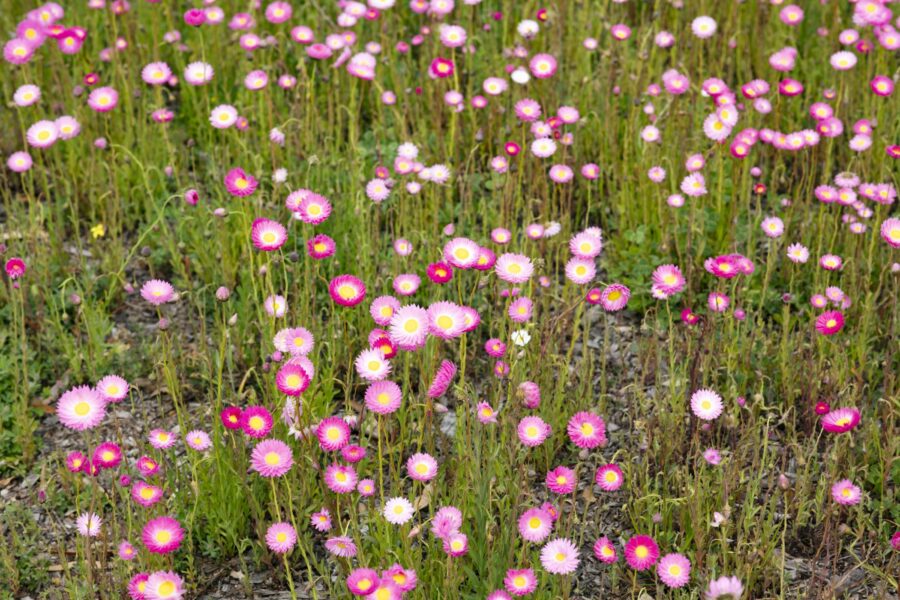
Esperance enjoys a mild, Mediterranean-like climate all year round, sometimes with what feels like four seasons in one day. Find out what each season brings, and check the weather forecast before planning your day.
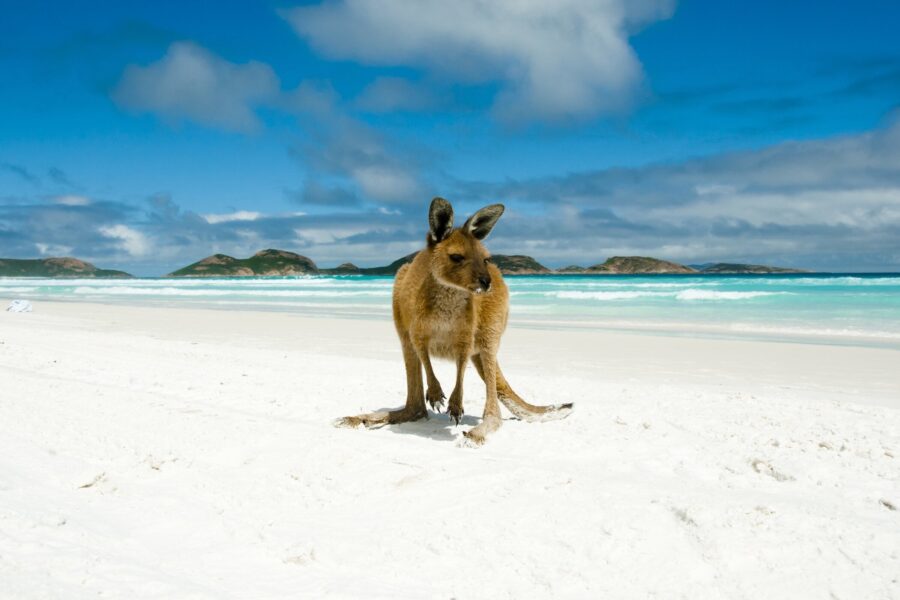
White sand bays, granite peaks and turquoise water, 50km from Esperance. Plan your visit to Lucky Bay, Hellfire Bay, Frenchman Peak and the Coastal Trail.
A broad estuary, coastal heath and quiet campgrounds, 80km west of Esperance. Plan your visit to Stokes Inlet, Benwenerup and the remote Stokes coast.
Remote coast, granite peaks and native wildlife, 120km east of Esperance. Plan your visit to Thomas River, Mount Ragged and the Cape Arid trails.
Granite peaks rising from the Great Western Woodlands, 174km north-west of Esperance. Summit walks, rock climbing, spring orchids and free bush camping.
Rugged coastline, the Barren Range and extraordinary wildflowers, just beyond the Shire of Esperance. Plan your visit from Hopetoun or Ravensthorpe.
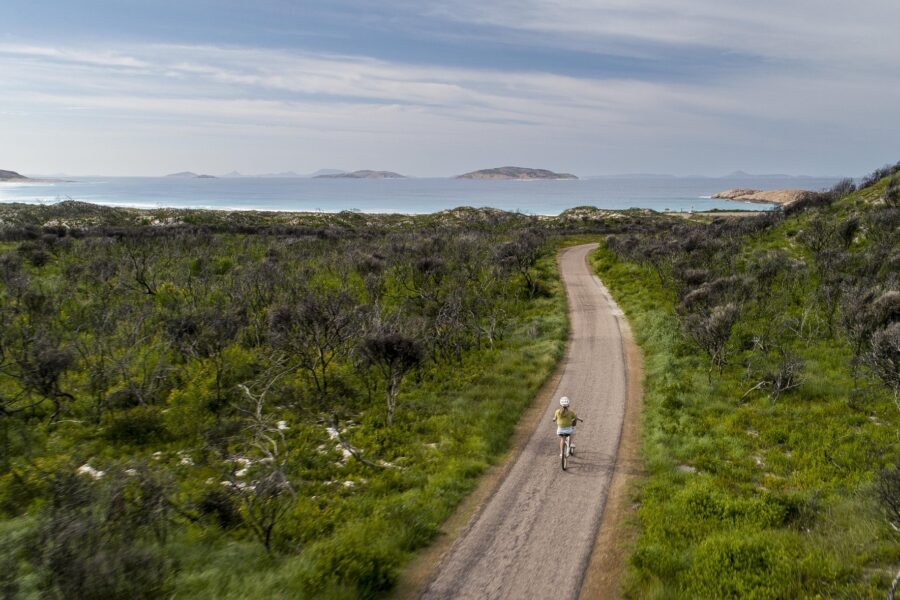
Discover Esperance’s natural wonders on diverse trails for all levels, offering unforgettable journeys from leisurely strolls to challenging treks.
This trail takes you through seven of the region’s best wildflower spots, starting right in town and working out into the bush.