
-
120km east of Esperance
-
2WD to Thomas River, 4WD beyond
-
WA Park Pass required
-
camping first come, first served
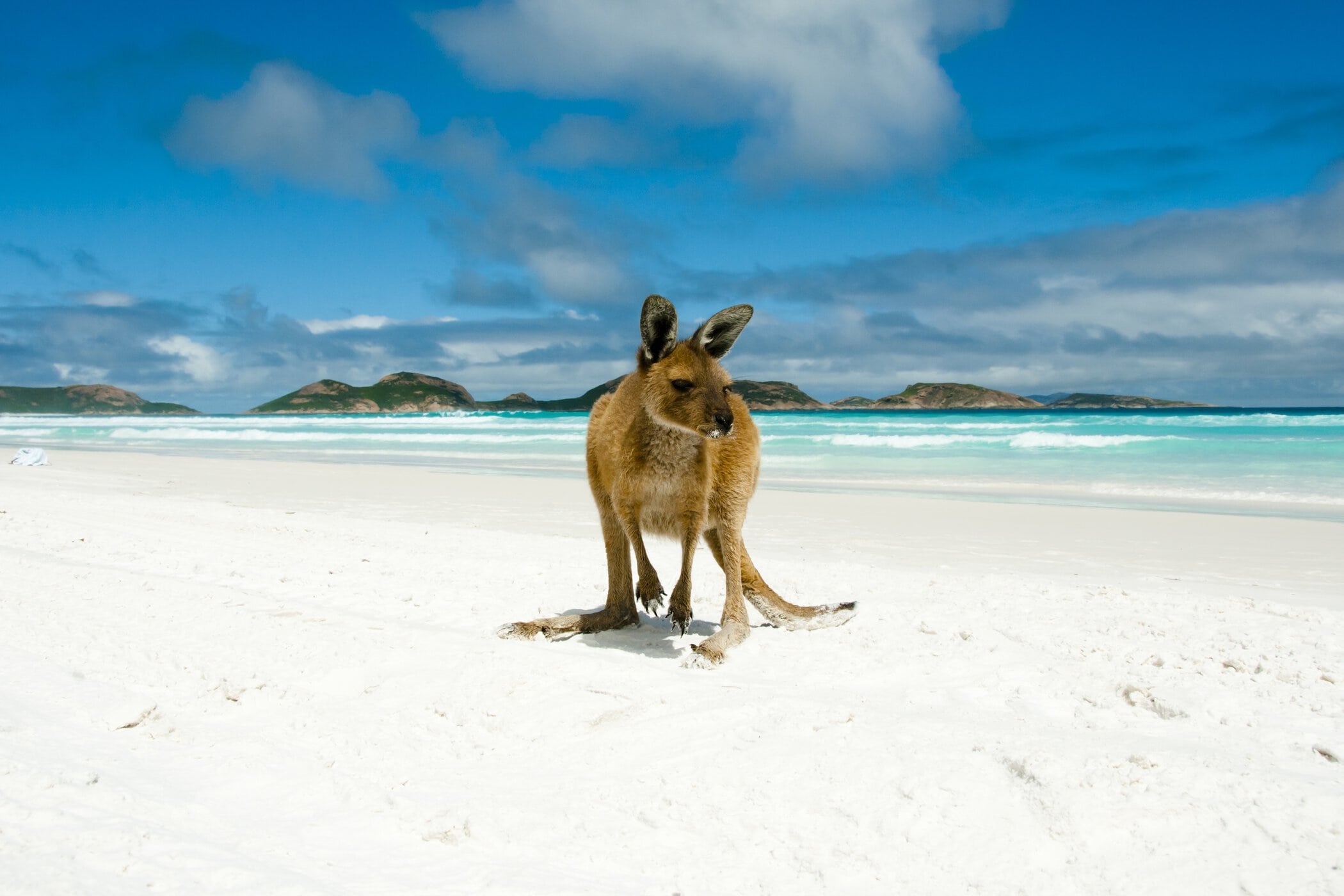
Cape Arid National Park is where Esperance's well-known beaches give way to true wilderness. Around 120km east of Esperance, beyond Cape Le Grand and Duke of Orleans Bay, the park covers around 280,000 hectares, stretching from the Southern Ocean to woodlands, granite outcrops and the quartzite peaks of the Russell Range inland. To the east, it joins the Nuytsland Nature Reserve, creating an almost unbroken conservation area that reaches towards the South Australian border.
This is a remote national park, a place where nature truly dominates. Out here you can walk, swim, snorkel and fish, watch whales pass along the coast, and come across the homestead ruins, buildings and dams left behind by early attempts to farm this wild country. How much of it you'll see depends on how much time and experience you have.
Is Cape Arid for you?
Cape Arid is best suited to experienced, self-sufficient travellers. If you're short on time, or it's your first trip to Esperance, there's plenty to explore closer in.
-
Got a 4WD and know how to get yourself out of trouble? This is your country. Rough, sandy tracks lead to Mount Ragged, the beach access to Mount Arid, and remote coastal camps at Seal Creek, Jorndee Creek and Thomas Fishery. Tracks change with weather and use, and DBCA recommends only experienced drivers with recovery gear tackle them.
-
Got a 2WD, time and an appetite for adventure? Dip a toe in at the western end. Thomas River and Yokinup Bay are reached by gravel roads that are 2WD passable in dry conditions, with basic campgrounds and short walking trails. Come self-sufficient, as there's no fuel, drinking water or reliable phone coverage.
-
Short on time, or after white sand and turquoise water? Cape Le Grand National Park is 50km from Esperance and sealed all the way.
-
Travelling with a dog? Dogs aren't permitted in national parks. Duke of Orleans Bay and Wharton Beach, on the way, are dog-friendly.
Getting there
From Esperance, head east on Fisheries Road. You'll pass through Condingup, around 70km from Esperance, where the tavern has a fuel pump. You can also travel via Merivale Road, but part of it is unsealed, so it may take a little longer.
Thomas River is the park's first access point. Turn south off Fisheries Road onto Tagon Road, then follow Yokinup Bay Road. The road is sealed as far as Tagon Road; from there, Tagon and Yokinup Bay Roads are gravel. Allow about 1.5 hours from Esperance.
The gravel roads are 2WD passable in dry conditions, but rain can change things quickly. Check DBCA Park Alerts before you go. A WA Park Pass is required to enter.
The Thomas River area (2WD)
The park's western side is the easiest way to experience Cape Arid, and a worthwhile trip in its own right.
Thomas River
The Thomas River estuary and its sandbar make this place special, providing habitat for water birds and waders, including pied oystercatchers and crested terns. When the banksias flower, look out for honeyeaters in the surrounding bush. Flat-water kayaking is possible when conditions are right.
Yokinup Bay
Yokinup Bay(opens in new tab) is a large bay bordered by a long white sand beach, with sweeping views to distant peaks. It's a base for bushwalking, fishing, surfing and swimming, with a picnic table for lunch with a view. During migration season, you may see whales passing by.
Dolphin Cove
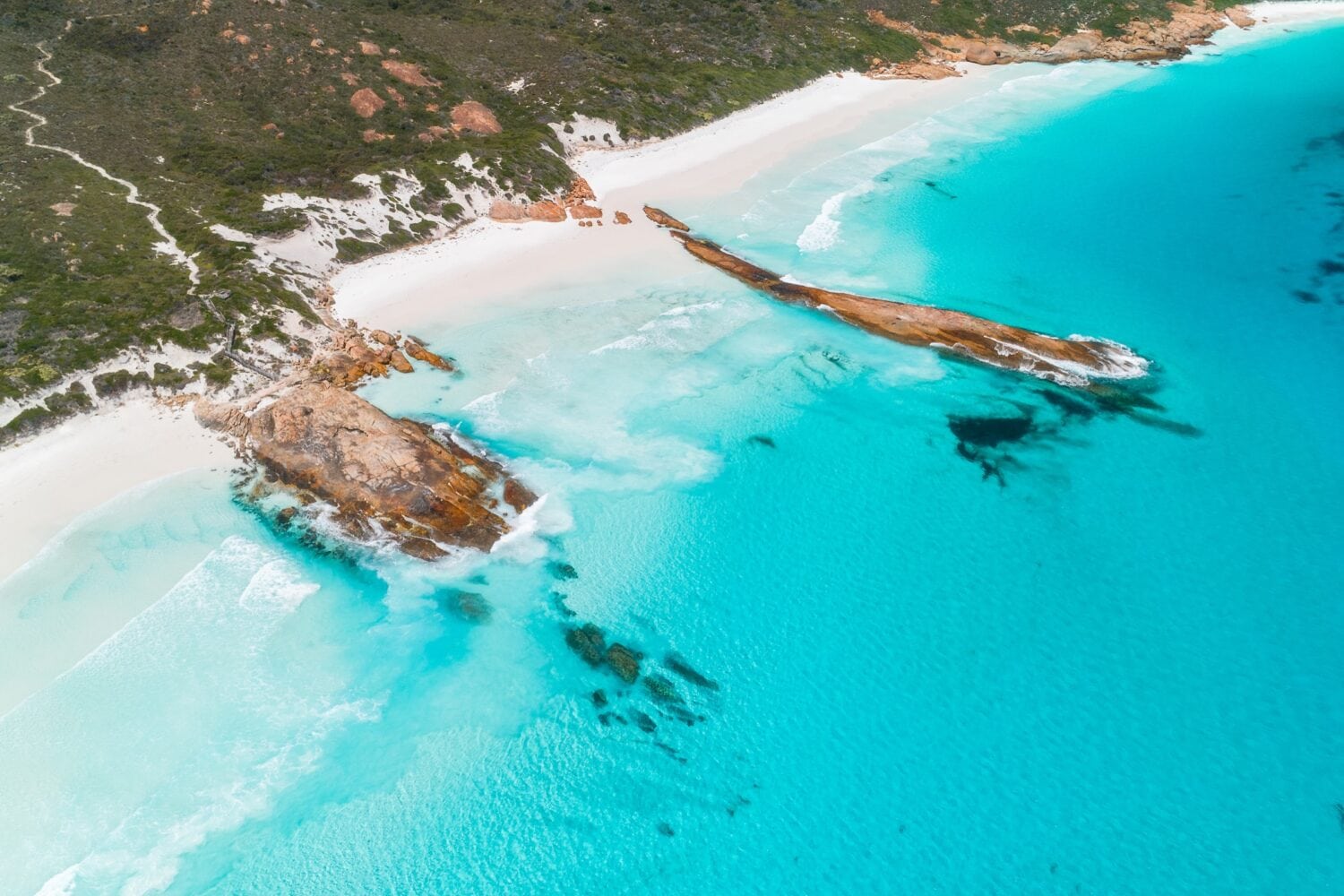
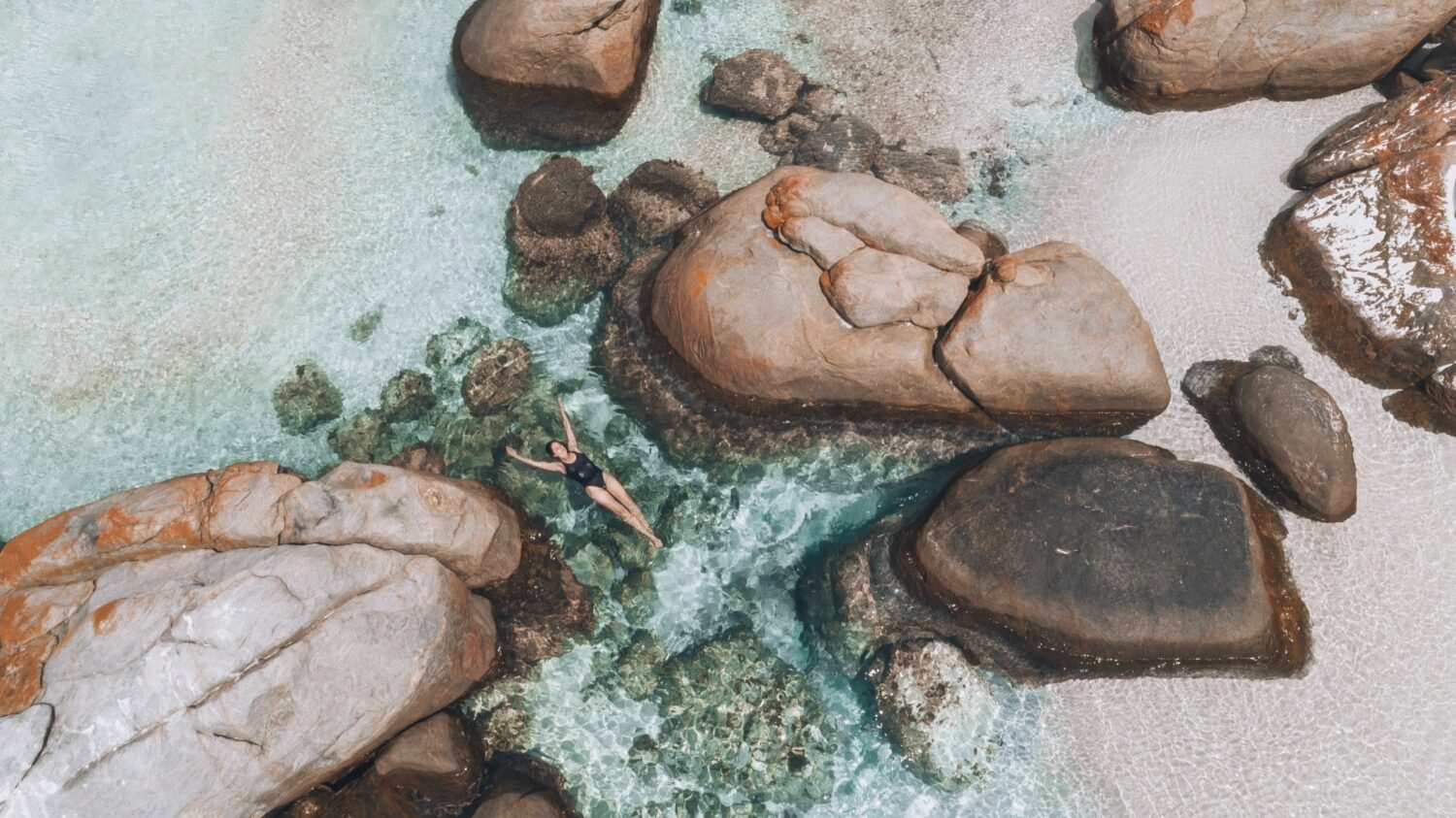
Dolphin Cove(opens in new tab) is named after a nearby dolphin-shaped headland. On a calm day, its white sand and clear blue water are enticing for a swim, and it's a popular fishing spot. A viewing platform takes in the coastline, and there are toilets.
Walking trails
Check Trails WA(opens in new tab) for track notes, distances and difficulty.
-
Len Otte Nature Trail: the easiest introduction, a loop through woodland and thicket named after the park's first resident ranger, with views across coastal heath to Thomas River and Yokinup Bay.
-
Tagon Coastal Trail(opens in new tab): tougher ground over heath and rocky headlands, passing Dolphin Cove, with sweeping coastline views. Walk as much or as little as you like.
The remote east (4WD)
Beyond Thomas River, Cape Arid becomes 4WD country for experienced, self-sufficient travellers. Tracks are rough and sandy, some beaches can be driven when conditions are right, and conditions change quickly with weather and use. DBCA recommends only experienced drivers with recovery equipment tackle these tracks. Enjoy yourself, but within your limits.
Mount Ragged (Tower Peak)
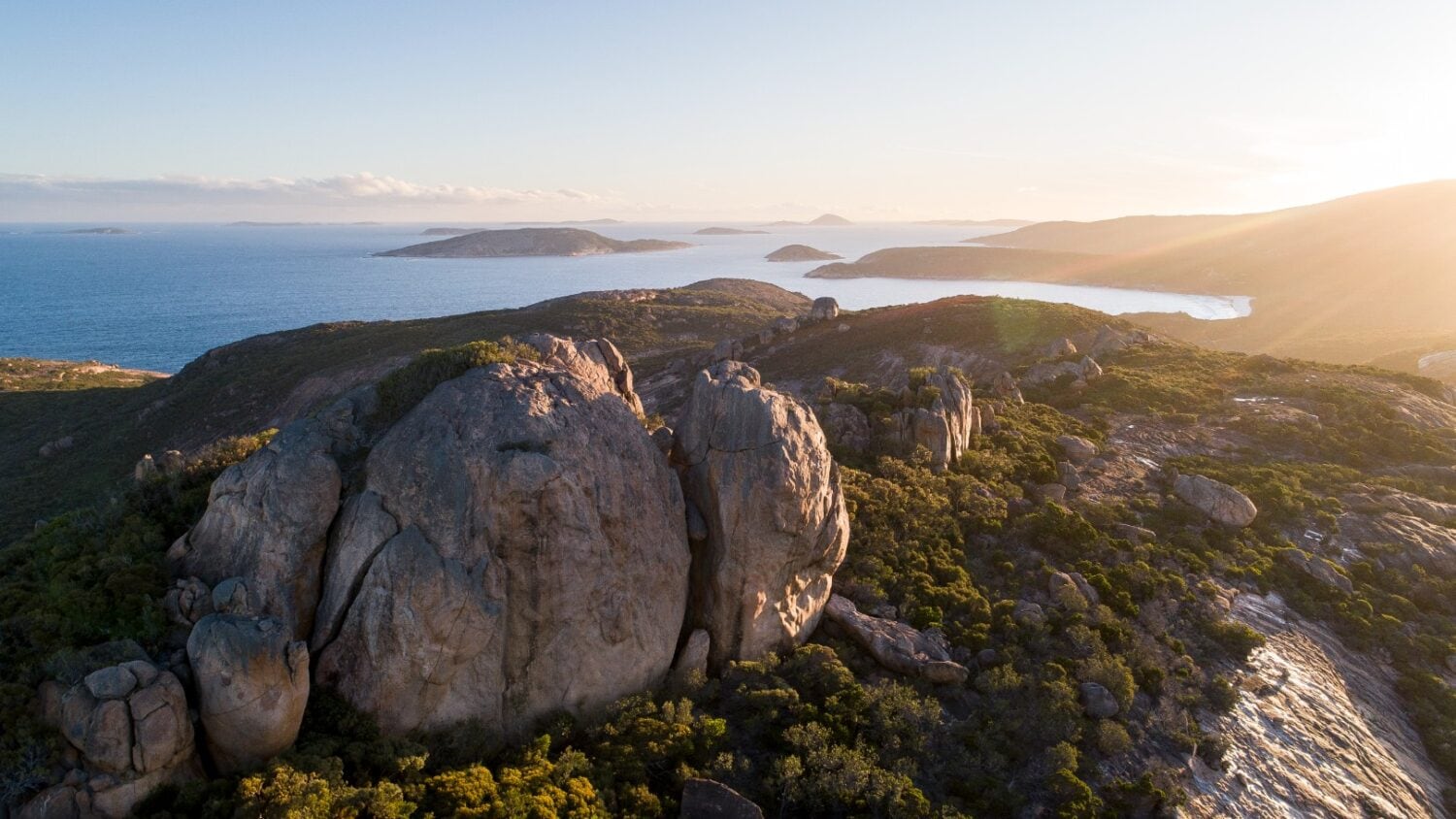
Part of the quartzite Russell Range, Mount Ragged is reached by a rough, sandy track off Fisheries Road. The climb to the 594m summit is tough and steep, with some granite scrambling. At the top, expect sweeping views and excellent birdwatching. Basic camping is available at the base.
Mount Arid and Hill Springs
On the coast, two trails start from a car park reached by beach access only, so beach-driving experience is essential. The Mount Arid Trail is a tougher 7km climb, starting gently through coastal heath before a steep, loose-surfaced push to the summit. Nearby, the easy 500m Hill Springs Trail winds through overgrown ferns to the remains of an early 1900s homestead.
Remote coastal camps
Seal Creek, Jorndee Creek and the Thomas Fishery area offer remote camping by the coast, for those fully set up to look after themselves (see Before you go).
Wildlife and wildflowers
From coastal heath and granite hills to saltbush and bluebush woodlands, Cape Arid's habitats support over 1,100 plant species and more than 160 bird species. It's an important conservation area for rare and endangered species, including the Kyloring, or Western Ground Parrot. Pack binoculars and a bird guide, and you may spot Western Hooded Robins, White-browed Scrubwrens, New Holland Honeyeaters and Western Wattlebirds along the trails.
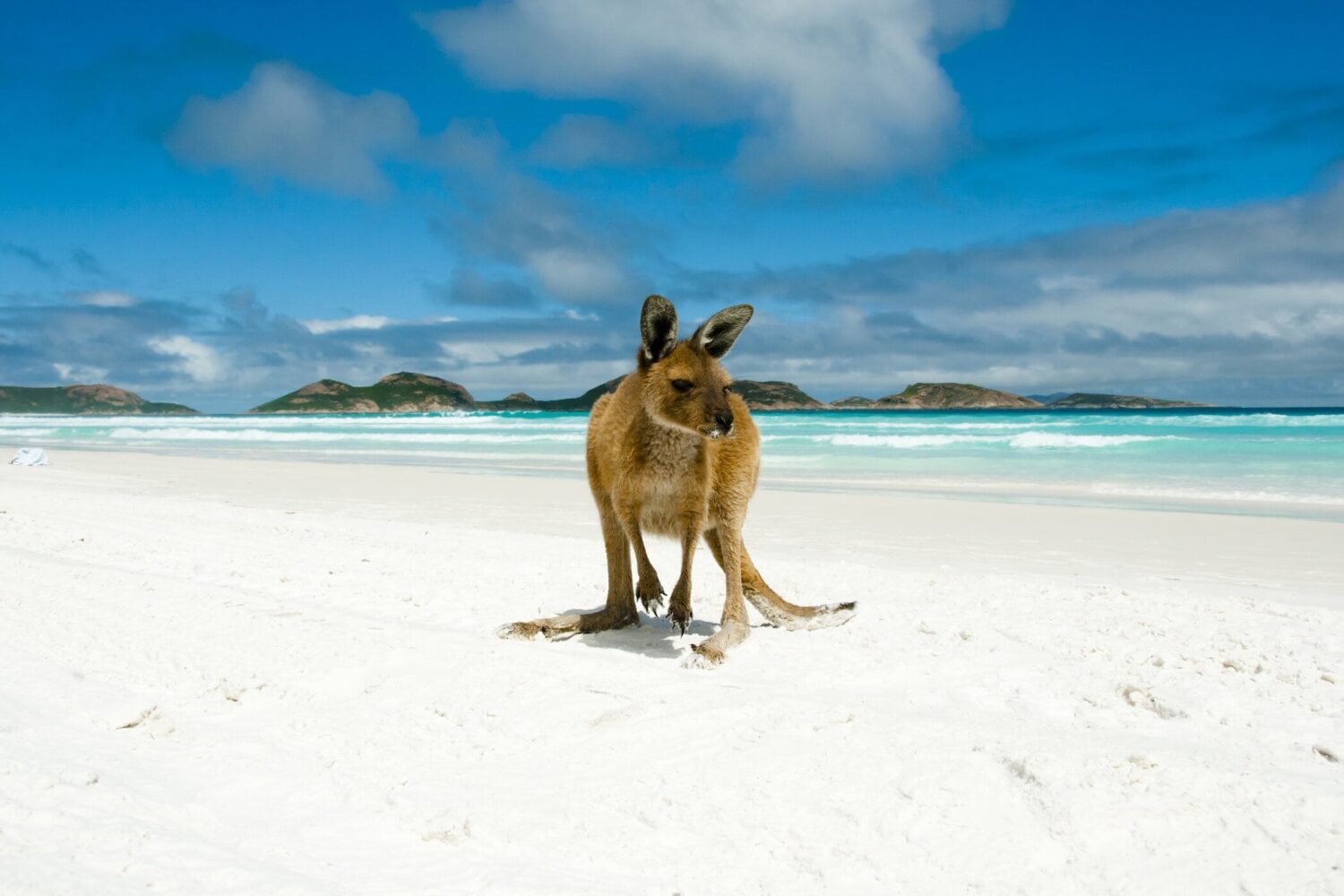
Around Thomas River and the coastal heath, look out for the Recherche Cape Barren Goose, a subspecies that breeds only on islands and is one of Australia's rarest geese. Wedge-tailed Eagles and White-bellied Sea-eagles soar above the headlands, and from June to October, Humpback and Southern Right Whales pass along the coast. You may see dolphins, and if you're out on the water, Australian sea lions basking on the rocks.
In spring, from August to November, the heathland bursts into wildflowers. The park's unique flora and fauna depend on you leaving them as you found them: stay on marked trails, clean soil off your shoes and tyres to help stop the spread of dieback, and give wildlife plenty of space. The Atlas of Living Australia lists species recorded in the area.
Camping
Cape Arid has some of the most remote camping in Esperance, and every campground is first come, first served. Camp fees are paid on site.
Thomas River campgrounds (2WD, check conditions)
-
Yokinup Mia Mia Campground(opens in new tab): two shelters, each with two picnic tables and gas barbecues, and two toilet blocks. Pay fees at the information hut.
-
Belinup Campground(opens in new tab): 11 spacious sites of various sizes among the river flats, some shaded by trees (perfect for summer), with a toilet block, gas barbecues and a shelter. It's within walking distance of Yokinup Bay beach and Thomas River.
Remote campgrounds (4WD only)
Mount Ragged(opens in new tab), Seal Creek(opens in new tab), Jorndee Creek(opens in new tab) and Thomas Fishery(opens in new tab) offer basic, remote camping for fully self-sufficient travellers.
There's no drinking water and no power at any campground, so bring all the water you'll need. Carry out all your rubbish, and leave only your footprints behind. Explore more remote camping in Esperance on Bush Camps and National Parks.
Before you go
- Park pass: a WA Park Pass is required for entry. Camping fees are separate.
- Fuel and supplies: there's no fuel or supplies in the park. Fill up in Esperance or at Condingup, and consider carrying extra fuel in secure jerry cans if you're heading further east.
- Communications: mobile coverage is limited or non-existent. Download offline maps before you leave, and carry a personal locator beacon (PLB) or a communication device that doesn't rely on mobile reception.
- Be self-sufficient: bring camping gear, ample water and non-perishable food, a first aid kit (including a snake bite kit), a tool kit, spare tyres and parts, and recovery gear.
- Road conditions: conditions change quickly with weather and use. Plan your trip with DBCA's Plan your activity page, and check Park Alerts and Emergency WA for closures before you go.
- Beach driving: check the tides before you drive on any beach, and plan your trip around low tide. The tide can come in quickly, and a vehicle caught on soft sand can be submerged in minutes. Lower your tyre pressures, keep to the firm sand above the waterline, and avoid soft sand, creek mouths and washouts.
- Water safety: conditions on this coast can change quickly. Read DBCA's swimming and fishing and paddling safety advice, and Recfishwest's rock fishing safety tips.
- When to go: autumn and spring is the most comfortable time to visit, as summer can be very hot. Winter is ideal for walking and stargazing, and whales pass from June to October.
- Dieback and wildlife: clean soil off your shoes and tyres, stay on marked tracks, and never feed or touch wildlife.
Read the Coastal Safety and Code off Road guides before you head out.
Find & Book
Plan our Trip
Curated trips to get you started.
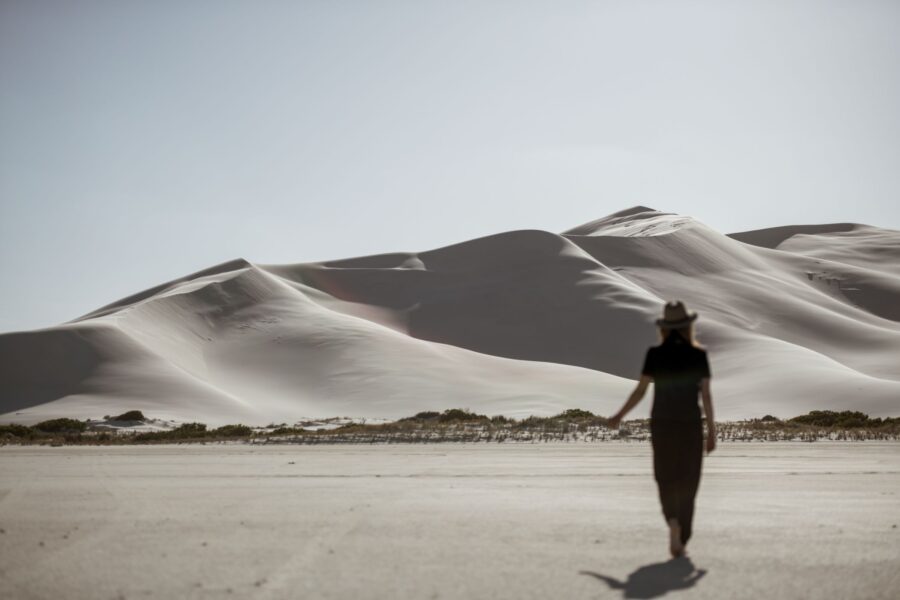
Embark on an unforgettable journey through Esperance’s breathtaking landscapes on this 3-day, self-guided hiking adventure.
Frequently Asked Questions
Not for the western side of the park. The Thomas River area, including Yokinup Bay, Dolphin Cove, the Belinup and Yokinup Mia Mia campgrounds and the Len Otte and Tagon Coastal trails, is reached by gravel roads that are 2WD passable in dry conditions. To go further, including Mount Ragged, Mount Arid, Seal Creek and Jorndee Creek, you’ll need a 4WD, recovery gear and plenty of off roading experience. Check DBCA Park Alerts before you go, especially after rain.
Cape Arid is around 120km east of Esperance via Fisheries Road, and about 1.5 hours to Thomas River. The road is sealed as far as Tagon Road, then gravel for the final stretch. The last fuel is at Condingup, around 70km from Esperance, and there are no supplies in the park, so leave Esperance with everything you need, including plenty of water, food and emergency and first aid gear.
Yes. The Thomas River campgrounds, Belinup and Yokinup Mia Mia, are 2WD accessible in dry conditions and have toilets, shelters and gas barbecues. For experienced 4WD travellers, Mount Ragged, Seal Creek, Jorndee Creek and Thomas Fishery offer remote, basic camping. All campgrounds are first come, first served, with fees paid on site. There’s no drinking water or power, so come self-sufficient and take all your rubbish home.
The park is home to more than 160 bird species and over 1,100 plant species, and it’s an important conservation area for rare species such as the Western Ground Parrot (Kyloring). Look for Recherche Cape Barren Geese around Thomas River, eagles soaring over the headlands, and waders on the Thomas River estuary. From June to October, Humpback and Southern Right Whales pass along the coast, and spring brings wildflowers from August to November.
If you’re prepared for it, yes. It’s a place for visitors who want wild coastline and remote camping with very few other people around. Even with a 2WD, the Thomas River area makes a worthwhile trip. To explore further, you’ll need a 4WD, time and the confidence to look after yourself if something goes wrong. First time in Esperance? Start with Cape Le Grand
No. Dogs aren’t permitted in national parks. Duke of Orleans Bay and Wharton Beach, on the way to Cape Arid, are dog-friendly.
Keep exploring
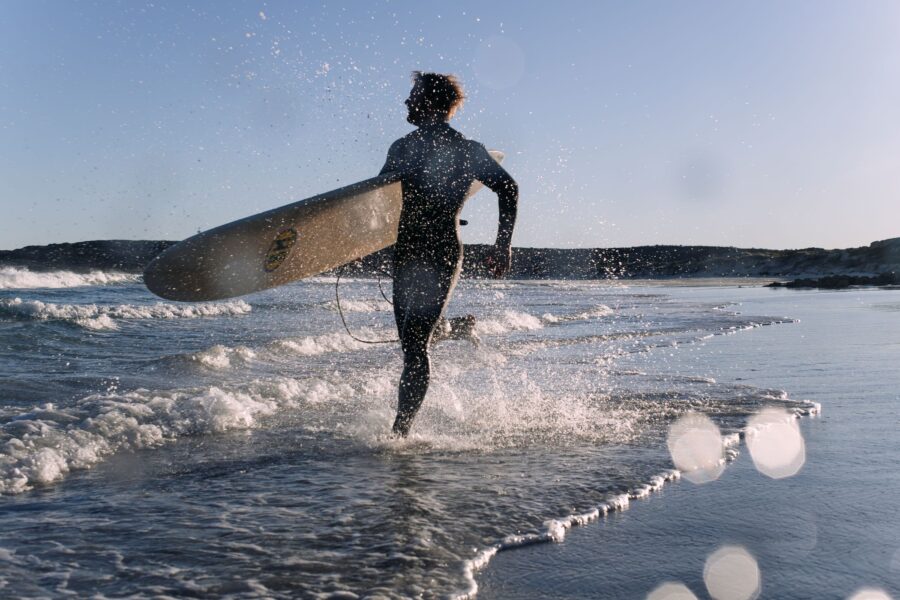
From scenic road trips through the region, to what to do on a rainy day, find a ready-made plan to suit your time and travel style.
Accommodation in Esperance embodies the coastal lifestyle; grounded and understated, offering a window to the outdoors and an invitation to explore.
Plan where to eat and drink in Esperance: coffee, bakeries, cafes, dining out, takeaway and pubs, plus tips for picnics and days out.