
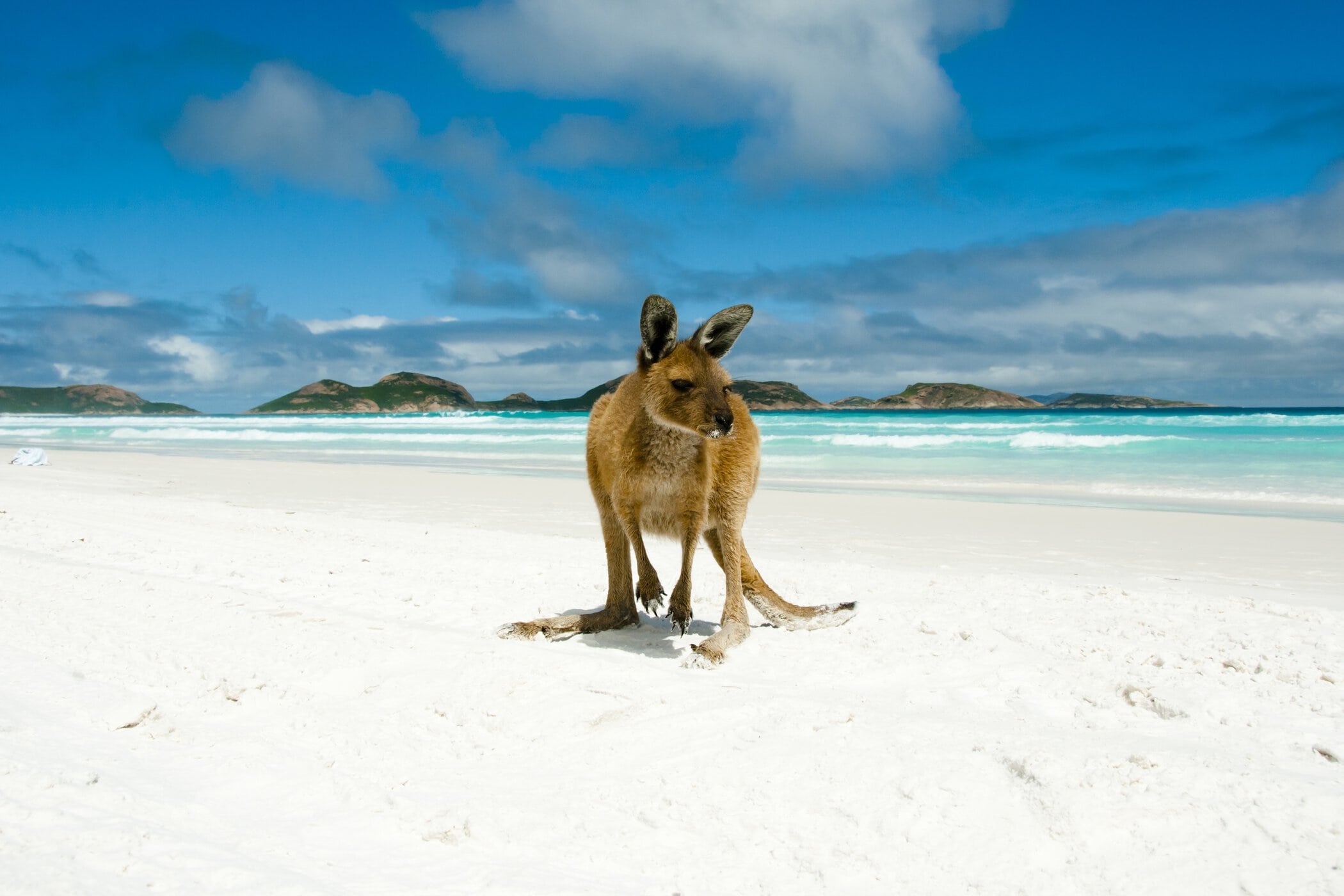
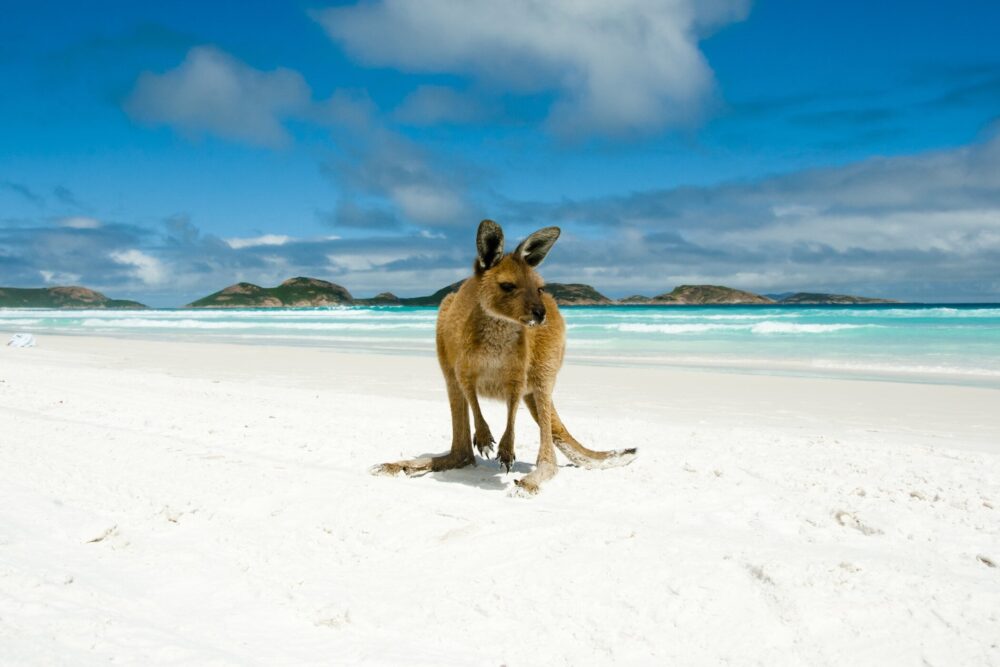
Australia's beaches are famous the world over, and Esperance has earned its place among the best of them. Lucky Bay was named the World's Best Beach in 2023, and Wharton Beach followed with third place in 2026. Accolades aside, there's no shortage of beaches across the Esperance region, each with its own character.
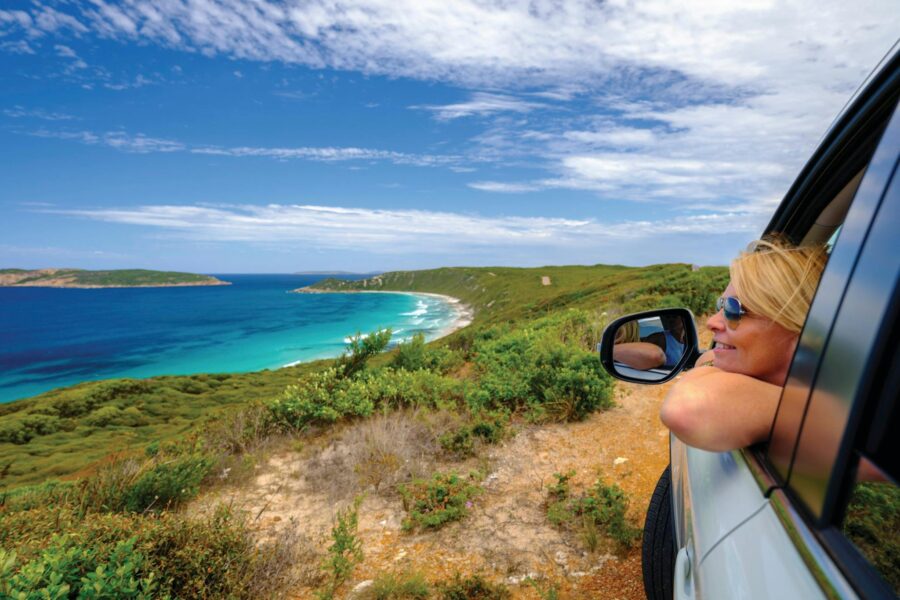
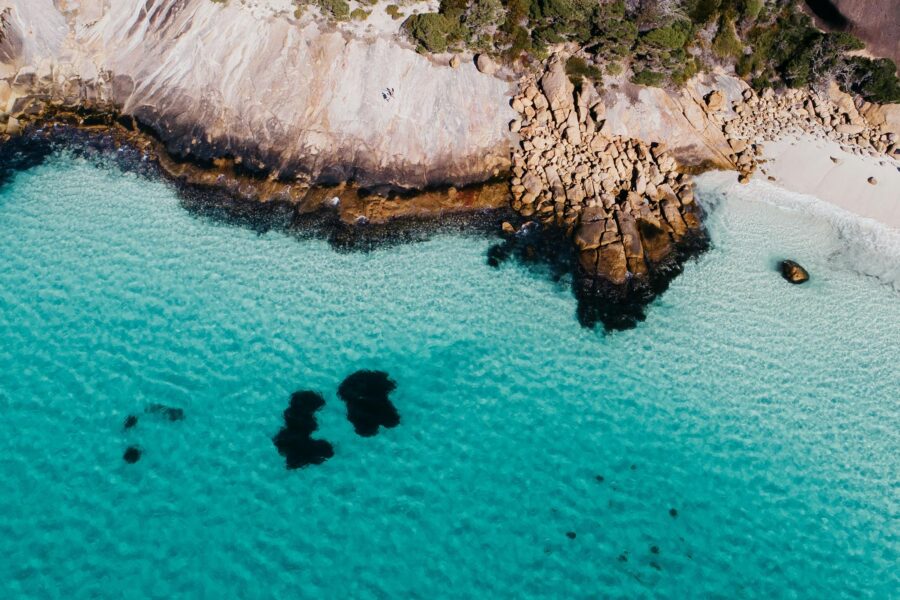
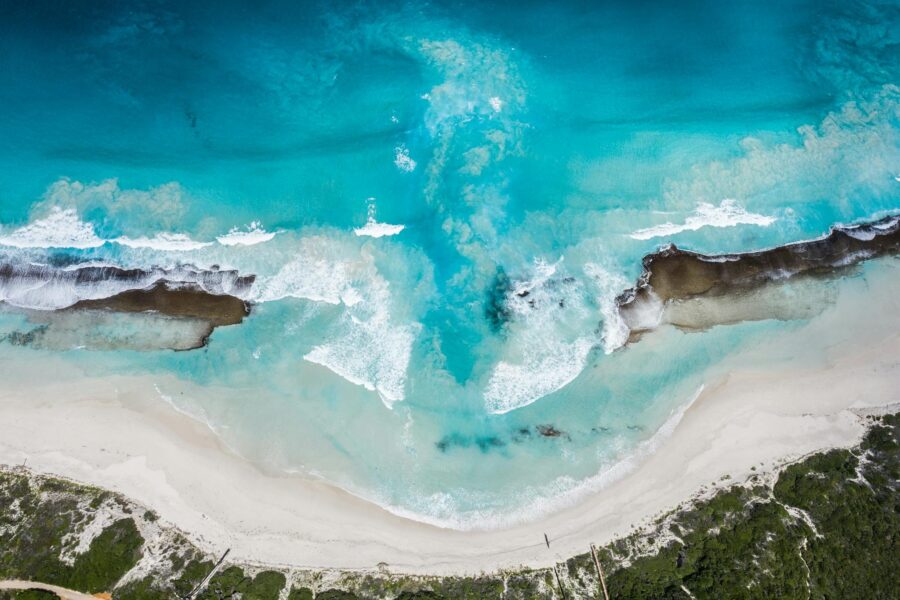
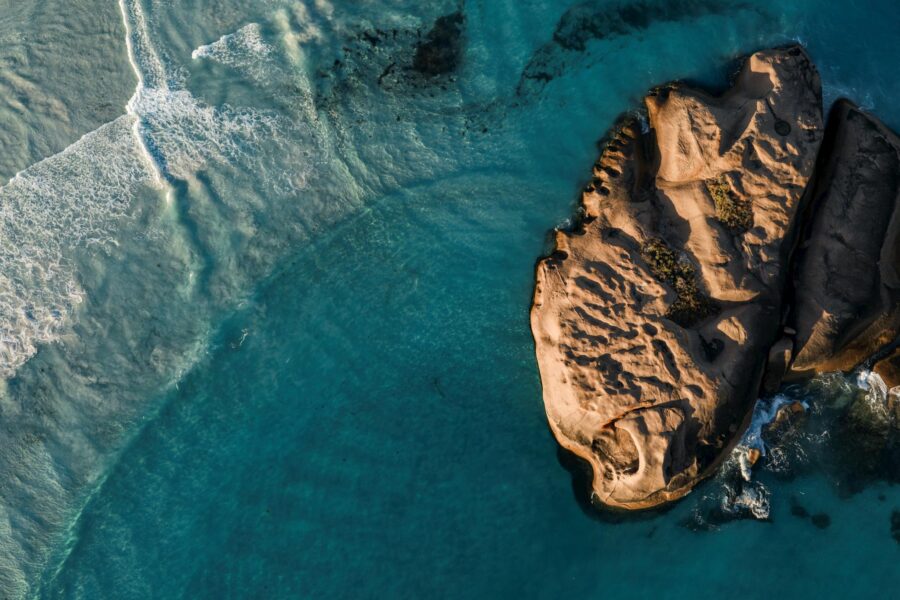
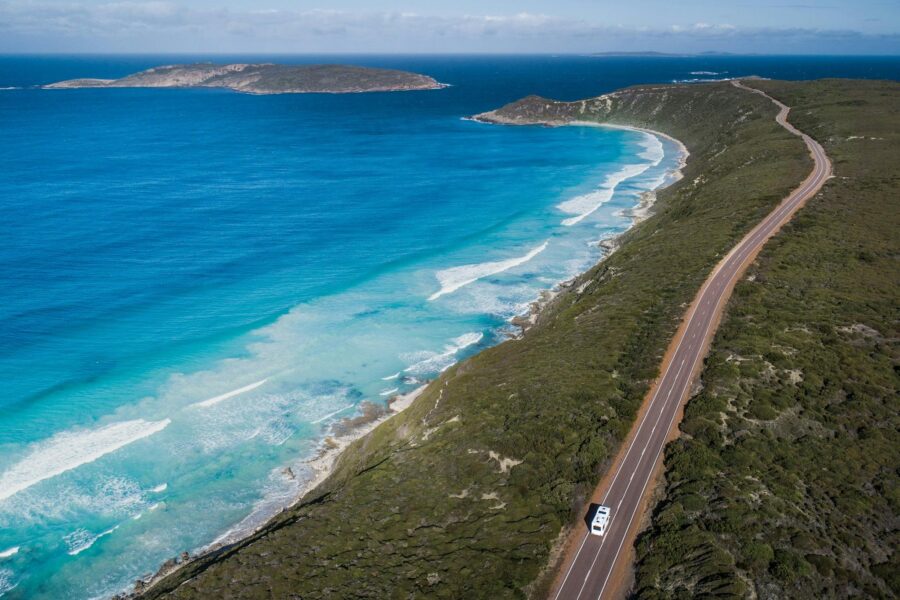
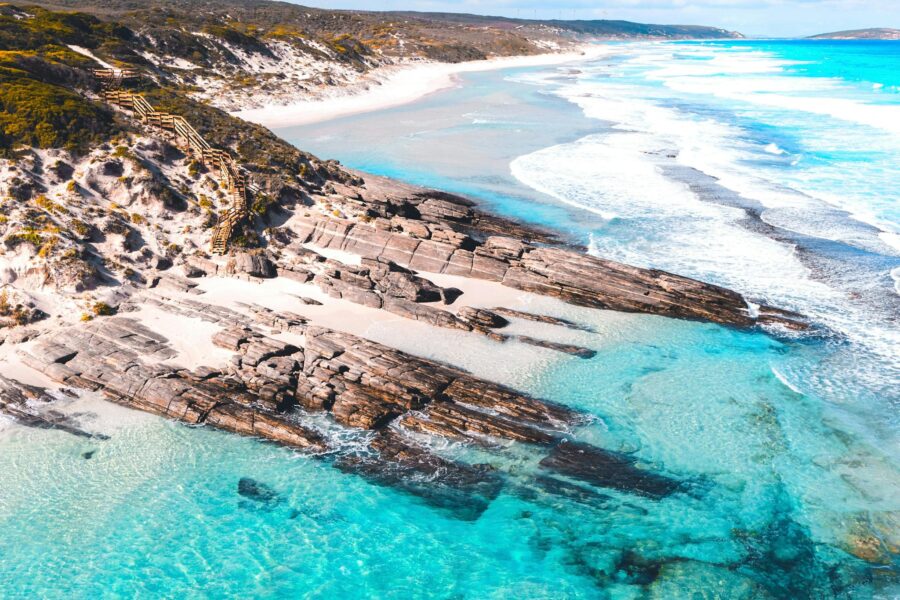
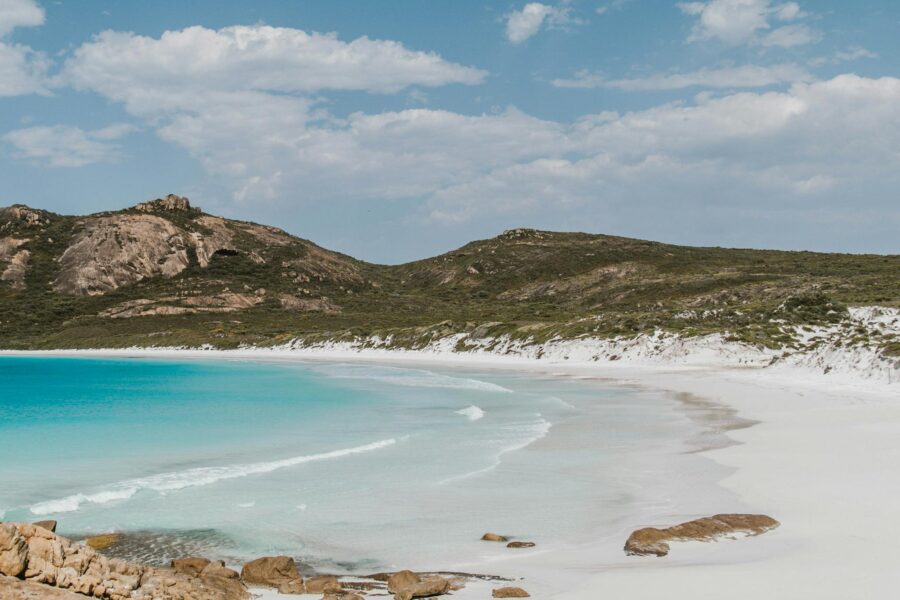
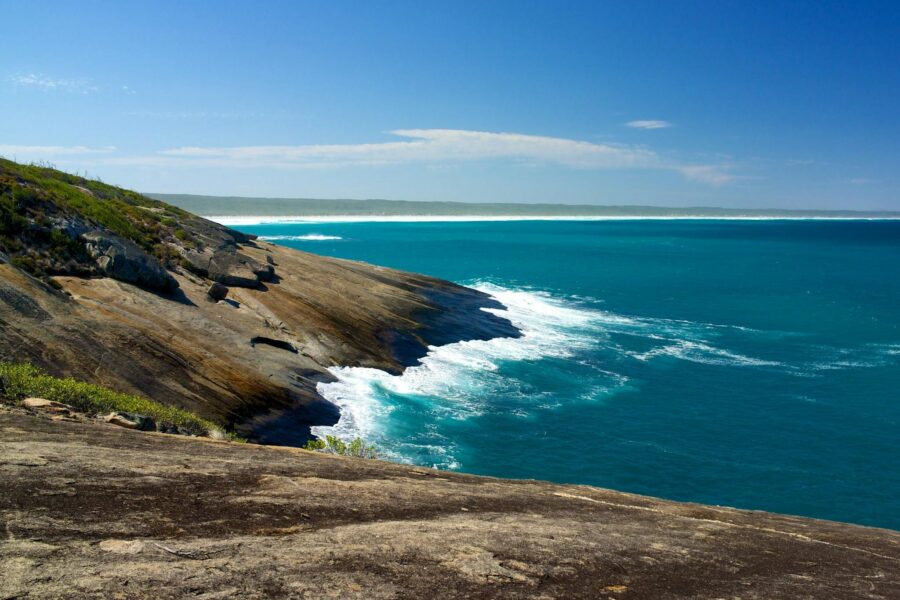
What makes Esperance's beaches unique is the combination of turquoise Southern Ocean water and squeaky white sand, nearly pure silicon dioxide worn down over millennia from ancient granite. The coastline spans 400km, creating a mix of conditions: rocky granite headlands, sheltered coves framed by steep drop-offs, and beach lagoons that form at high tide.
Ask any local and they'll have a few favourites across the region, each for a different reason. So don't limit yourself: sometimes it's the tucked-away spots, with the beach to yourself, that are the most memorable. With surfing, swimming, snorkelling and fishing all on offer, it's just a matter of choosing the beach to suit.
Esperance gets windy!
Esperance is one of the windier corners of WA, and the wind decides more about your beach day than the beach itself does. A wind blowing off the land (roughly from the north) grooms the water into calm, glassy conditions; a wind blowing onshore (from the south) chops it up. Most of the region's beaches face south, so a northerly component is generally the one to hope for — it's more common in the mornings, and through winter.
The real skill is picking the right beach for the day. Granite headlands jut out along the whole coastline, creating sheltered pockets out of the wind almost wherever you are. Check the forecast, choose your beach and your activity, to find the ideal beach for your day out.
The Esperance Beaches Guide(opens in new tab) is your key to understanding a few essential elements about the wind to enhance your experience at the beach.
Town Beaches (0–5km)
Some of the region's best swimming sits within easy walking distance of town, with facilities to match.
-
James Street Jetty Beach
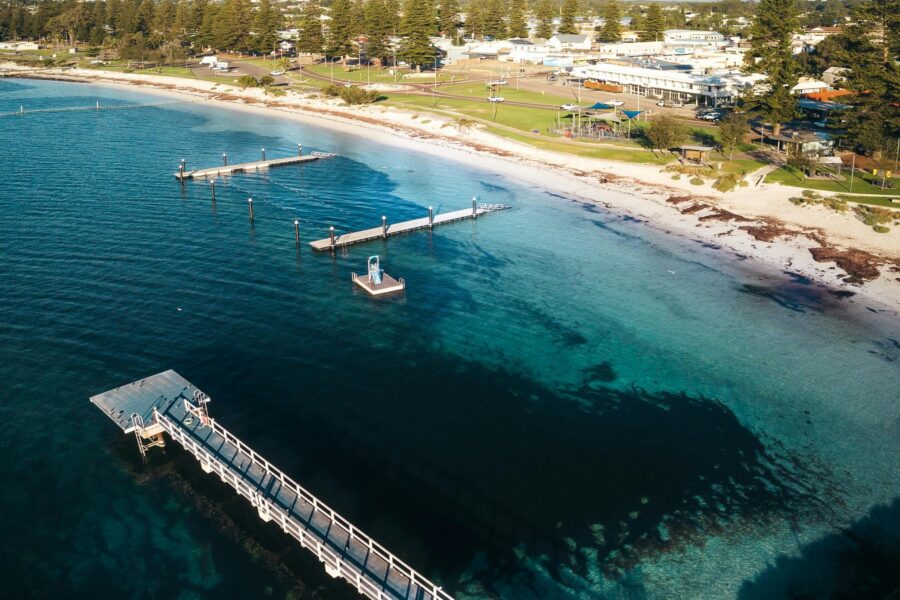
James Street Jetty Beach, right in the town centre near the Whale Tail sculpture, is built with families in mind: a netted swimming area, jetty and ocean slides, a 50m lap pontoon and an all-abilities playground, with beach matting for wheelchair and mobility-aid access and a free Sand Rider beach wheelchair available to borrow.
-
Castletown Beach
Castletown Beach, out past Castletown Quays, is a quieter stretch east of the centre and the start of the Baarndi Trail toward Bandy Creek.
-
Port Beach
Port Beach, also close to town, is a good option to have up your sleeve when a westerly or southerly is blowing and the bigger beaches are getting knocked about.
Great Ocean Drive Beaches (5–25km)
-
Blue Haven Beach
Blue Haven Beach is only minutes from town via the Esplanade and the Great Ocean Trail, sheltered by a large headland from the persistent summer south-easterlies — though that same headland casts the beach into shade by late afternoon, so morning through early afternoon is the best time to visit.
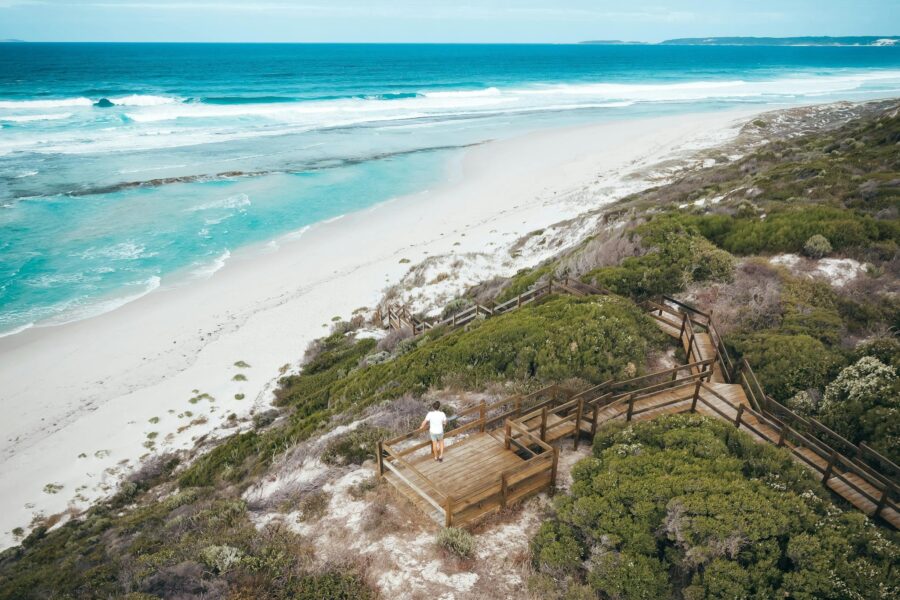
Access is down a long set of wooden stairs; if the small car park is full, park at Salmon Beach instead and walk in along the sealed section of the Great Ocean Trail. For the view, climb the headland walking track linking Blue Haven to Salmon Beach, or pull over at the lookout on Twilight Beach Road.
-
West Beach and Twilight Beach
West Beach and Twilight Beach both sit a short drive along the loop and get the fuller treatment they deserve on their own pages — see West Beach and Twilight Beach for what makes each one worth stopping for.
-
Salmon Beach
Salmon Beach is a 400m curve of sand bordered by wave-washed granite points — this is a good spot for storm watching, but never a place to swim. A strong permanent rip runs through the centre of the bay, and the surrounding rocks are treacherous - lives have been lost here when rogue waves have swept people into the ocean! Keep your feet on the sand here: stay out of the water and off the rocks.
-
Observatory Beach
Observatory Beach is a favourite for a white-sand walk, 1.2km long and reached by stairs from the car park. Mornings bring quieter winds and milder swells; the rocky headland looks out over islands to the south and the occasional pod of dolphins below.
-
Ten Mile Lagoon
Ten Mile Lagoon sits behind a stretch of reef 20–30m offshore, calmest at low tide with a low swell, and doubles as Esperance's dedicated clothing-optional beach along a marked 200m stretch west of the stairs.
-
Eleven Mile Lagoon
Eleven Mile Lagoon is a local favourite for a swim or a mind-clearing walk. The close-in reef keeps the lagoon calm, and there's usually a sheltered spot out of the wind whichever way it's blowing.
Cape Le Grand National Park Beaches (60–75km east)
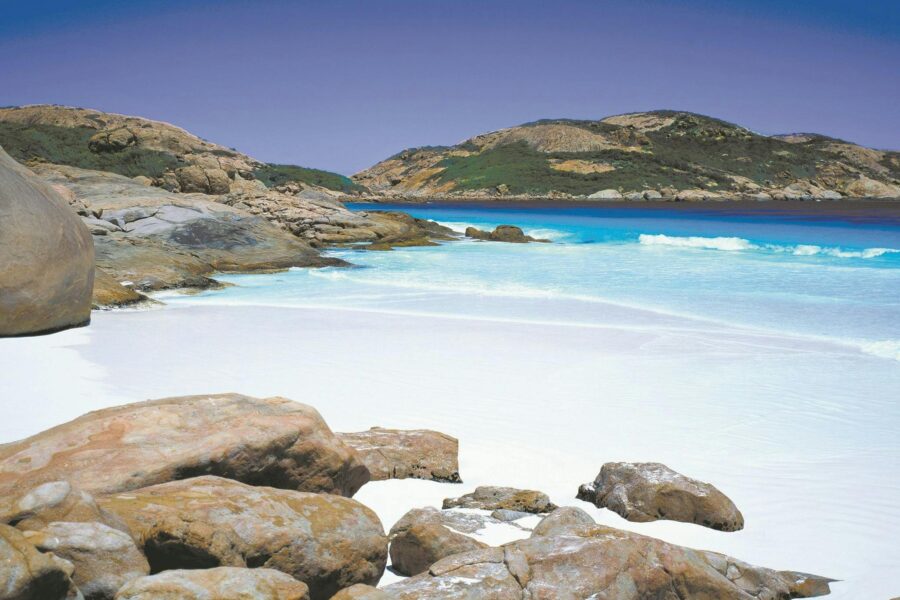
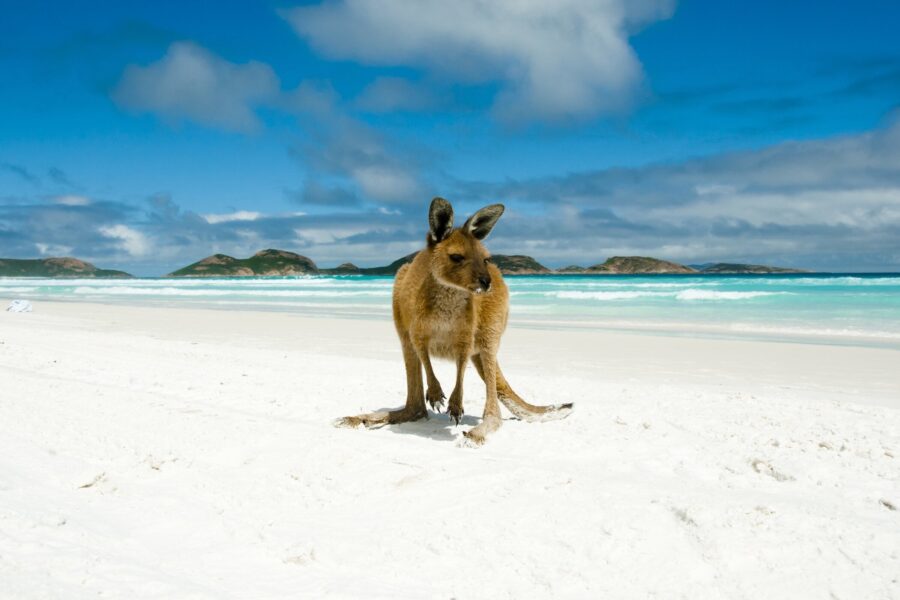
This is where Esperance's reputation comes from — inside the national park, the beaches step up a level: whiter sand, clearer water, and the chance of kangaroos on the shore. A Park Pass is required (or you can pay a day entry at the entrance), but the road in is sealed and manageable in a 2WD.
Worth the drive if you've got a spare half day.
-
Lucky Bay and Hellfire Bay
Lucky Bay and Hellfire Bay, the two best known of the bunch, each get their own page for the full picture.
-
Thistle Cove
Thistle Cove sits snugly between two headlands, one of the calmest bays in the region and sheltered from everything but a south-easterly. Mid-morning to early afternoon is the best window, with a few private little bays further along reachable via the Coastal Trail.
-
Little Hellfire Bay
Little Hellfire Bay is a quieter 15-minute walk from the car park through bushland that lights up with wildflowers in season. Small, wind-protected and a good pick when a strong easterly is blowing elsewhere.
-
Le Grand Beach
Le Grand Beach, on the park's western side, stretches 22km north to meet Wylie Bay — fishing, 4WDing, surfing, swimming and snorkelling all have room here. A small campground sits near the beach entrance (book well ahead, especially through peak and shoulder season), and the beach's west-facing aspect makes it a sheltered, busy spot come summer.
Remote and Adventure Beaches (4WD or long drive)
Further out again, the crowds thin right out and you're mostly on your own. Expect unsealed roads, 4WD tracks and longer drives — the trade-off for beaches most visitors never see.
-
The Duke of Orleans Bay
The Duke of Orleans Bay, around 90km east on sealed road, is a local institution for family holidays: fishing, surfing, wakeboarding, water-skiing and four-wheel driving, with a caravan park nearby despite its wild, remote feel. Wharton Beach, 3km from the Duke's caravan park, stretches 4.5km of white sand and shallow blue water — dog-friendly, popular in summer, and partly within Cape Le Grand National Park's boundary.
-
Cape Arid National Park and Tagon Beach
Cape Arid National Park, about 120km east, is truly wild country: a conservation stronghold for over 1,100 plant species and more than 160 bird species, several of them threatened or endangered. Tagon Beach is an exposed, big-swell bay better suited to fishing than swimming, reached via a soft-sand 4WD track; a hiking trail from Yokinup Bay also threads past Dolphin Cove and Little Tagon Bay on its way there. Thomas River, almost 25km long along Yokinup Bay, offers fishing, 4WDing and the Mount Arid walking trail, with two first-come, first-served campgrounds (Yokinup Mia Mia on higher ground, Belinup along the river estuary).
-
Alexander Bay
Alexander Bay, about 100km east between Cape Le Grand and Cape Arid, is another stretch of squeaky white sand — 9km of it — for those happy to trade convenience for fewer people. Fishing, surfing and boating are the drawcards; dogs are welcome, and Shire-managed camping is available (toilets only, first-come, first-served). 4WD access.
Ways to Enjoy the Beach
Swimming, sand and a view are just the start. Depending what you're after:
-
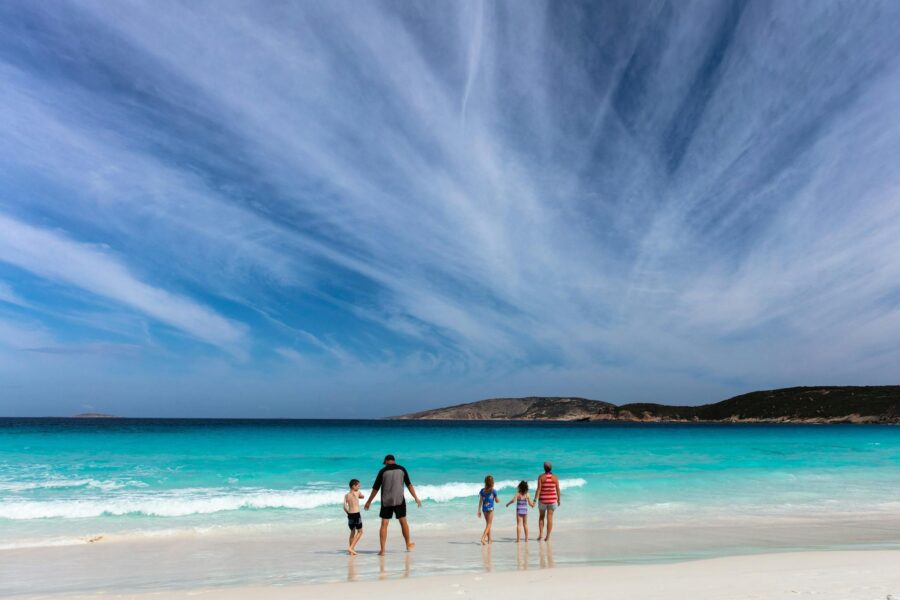
Swimming — town beaches and lagoons are your safest bet; Twilight Beach is the only one with lifeguards, on Sundays over summer.
-
Snorkelling — the rock pools at Ten and Eleven Mile Lagoon, or the granite boulders at Lucky Bay and Hellfire Bay.
-
Fishing — Salmon Beach and the Eleven Mile stretch are local favourites, along with the Esperance Jetty.
-
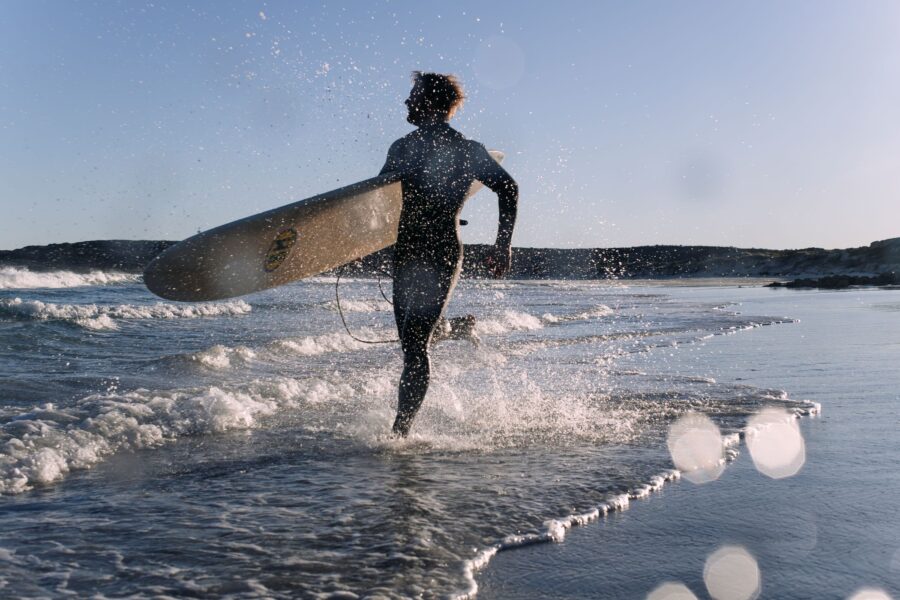
Surfing — West Beach picks up a swell close to town; Alexander Bay is the pick further east.
-
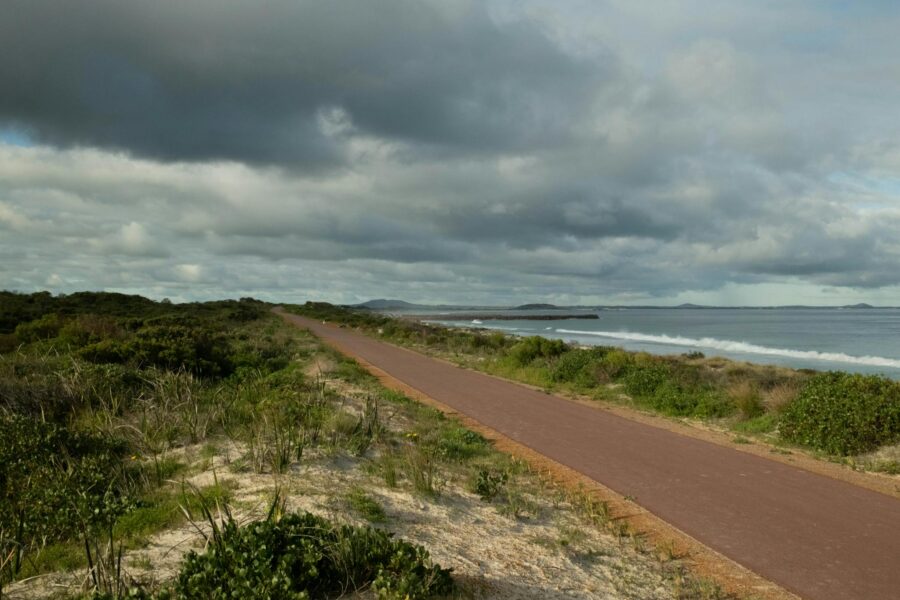
Walking and cycling — the Great Ocean Trail links town to Twilight Beach and on to Pink Lake, a loop of around 25km.
-
Whale and dolphin watching (seasonal) — West Beach, Twilight Beach and Observatory Point are reliable spots for dolphins year-round, with whales passing June to October.
-
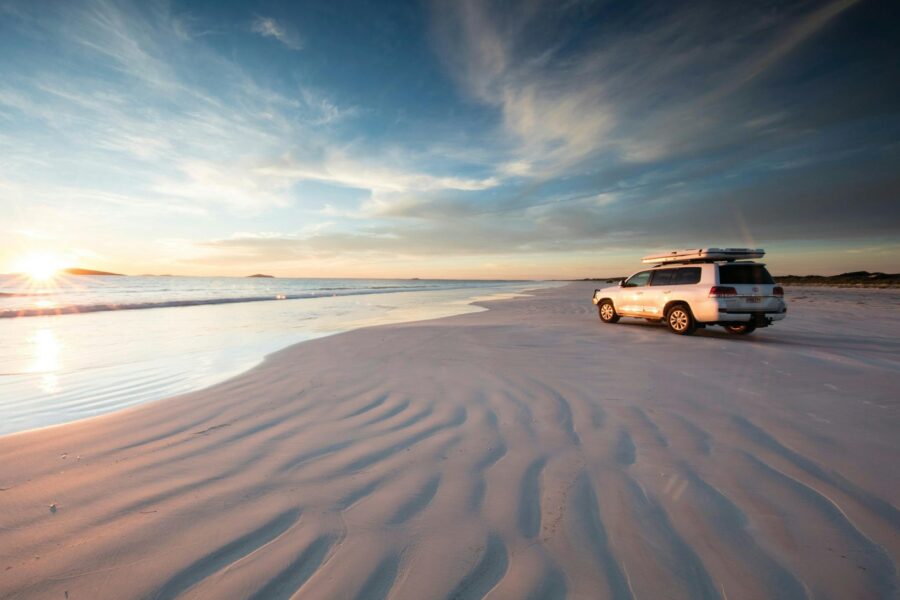
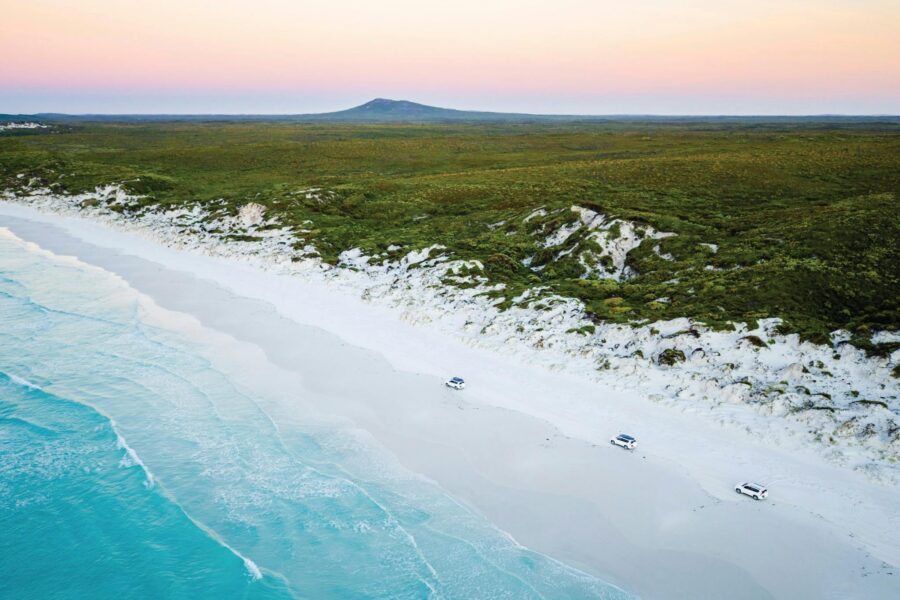
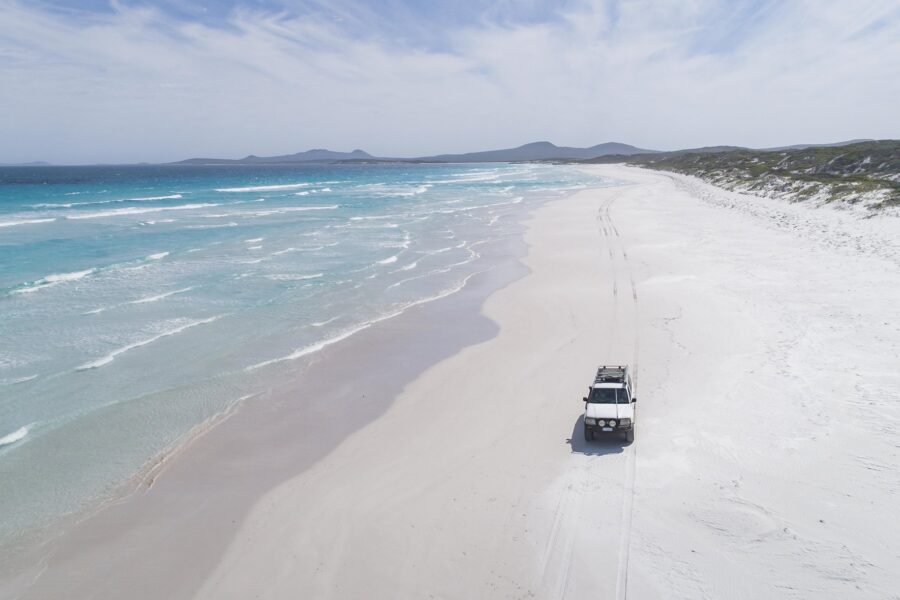
4WD beach driving — Lucky Bay, Wylie Bay, Le Grand Beach and Alexander Bay all allow it, conditions permitting.
-
Camping — Lucky Bay, Le Grand Beach, Thomas River and Alexander Bay all have campgrounds at or near the beach.
A Guide to Esperance Beaches
The Shire of Esperance encompasses more than 400km of coastline. 100 beaches are found within a 100km radius of the Esperance itself.
Beach Safety and Conditions
Esperance's water runs cooler than Perth's or the tropics — typically 17–22°C year-round, peaking around 19–21°C in mid-February and coldest, 15–17°C, in early September. Most surfers wear a wetsuit.
No Esperance beach has lifeguard patrols year-round. Twilight Beach is the only one patrolled, and only on Sundays from December to March. Swim between the flags where they're up; otherwise, swim parallel to shore and know your own limits.
Watch for blue-ringed octopus in rock pools — small, colourful, and best admired without touching. Exposed beaches like Salmon Beach and West Beach can carry strong rip currents, so check conditions before you go in. James Street Jetty Beach and Blue Haven are usually the calmest options close to town; Twilight Beach is well protected too, but can still carry rips on a big swell, so take care.
And please, no matter what you do stay off the slippery black rocks! Read more about Esperance coastal safety here.
Frequently Asked Questions
Genuinely hard to call. Lucky Bay’s white sand and kangaroos get most of the attention, but Hellfire Bay, Thistle Cove, Wharton Beach and Eleven Mile Lagoon all have their own local following. It tends to come down to the day, the wind direction and what kind of beach day you’re after.
Yes. Lucky Bay was crowned Australia’s whitest beach by the National Committee on Soil and Terrain (NCST), which compared sand samples from beaches in every state. It won the first judging in 2006, won again in 2007 when Queensland put Whitehaven Beach forward. Lucky Bay took the title, but there are so many white sand beaches in Esperance – Hellfire Bay, Thistle Cove and Wharton Beach are just as dazzling.
With over 400km of coastline, from Munglinup in the west to Cape Arid in the east, the honest answer is hundreds — far more than any list could cover, from tiny hidden coves between granite headlands to wide, wild stretches facing straight into the Southern Ocean.
Twilight Beach in summer is hard to beat — Sunday lifeguards, an ice-cream van, room to run. James Street Jetty Beach, right in town, is the easier everyday option: a netted swimming area, playground, and toilets and showers close at hand.
By far the greatest risk in Esperance is being swept from, or slipping on rocks and into treacherous water. Several lives have been lost this way with Salmon Beach the most common location for tragedies, along with Chapmans Point and even Twilight Rock. Please familiarise yourself with the risks before swimming, see the Esperance Coastal Safety Guidelines.
Western Australian waters, including Esperance, are known for Great White Sharks; an encounter is less likely than you might think, though not impossible. Shark fatalities have occurred here over the years, and entering the ocean always carries some risk. A few things help reduce it. Download the Shark Smart app to stay up to date on reported activity, or swim at Twilight Beach, which has lifeguard patrols on summer Sundays. For extra peace of mind, stick to the netted enclosure on the Foreshore, or the sheltered lagoons at Nine, Ten and Eleven Mile beaches, and never swim out past the reef break.
Keep exploring
From scenic road trips through the region, to what to do on a rainy day, find a ready-made plan to suit your time and travel style.
Accommodation in Esperance embodies the coastal lifestyle; grounded and understated, offering a window to the outdoors and an invitation to explore.
Plan where to eat and drink in Esperance: coffee, bakeries, cafes, dining out, takeaway and pubs, plus tips for picnics and days out.