
National Parks
Esperance Kepa Kurl is surrounded on all sides by national parks, nature reserves and off-the-beaten-track country. Even locals who've spent a lifetime exploring, hiking and camping here are still finding new places to visit.
From the white sand bays of Cape Le Grand, 50km south-east of Esperance, to the granite peaks of the Great Western Woodlands and the wild coast of Cape Arid, each park has its own character. Some are an easy day trip on sealed roads, while others reward experienced, self-sufficient travellers with a 4WD and time to spare.
Cape Le Grand National Park
-
50km south-east of Esperance
-
2WD, sealed all the way
-
bookable campgrounds
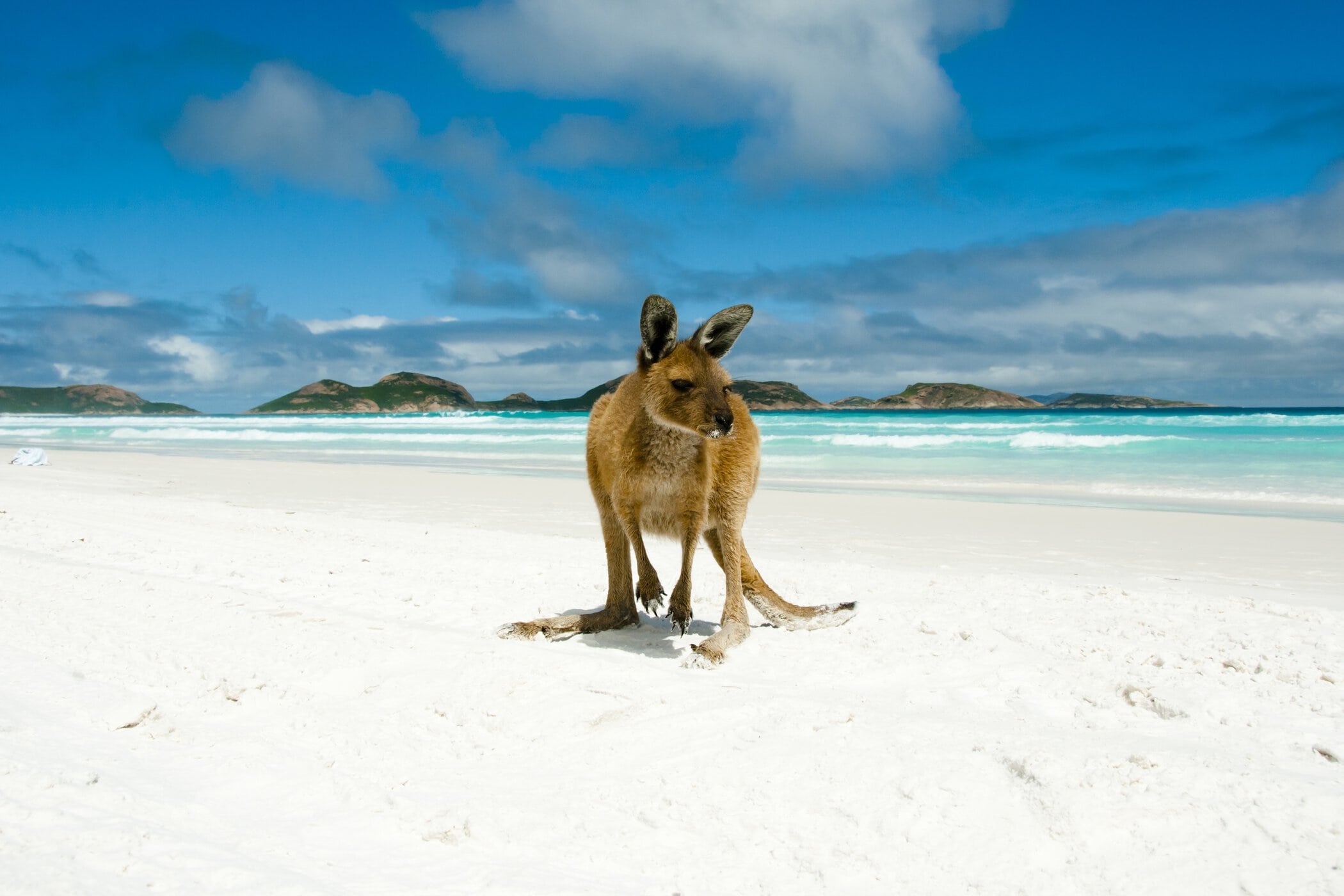
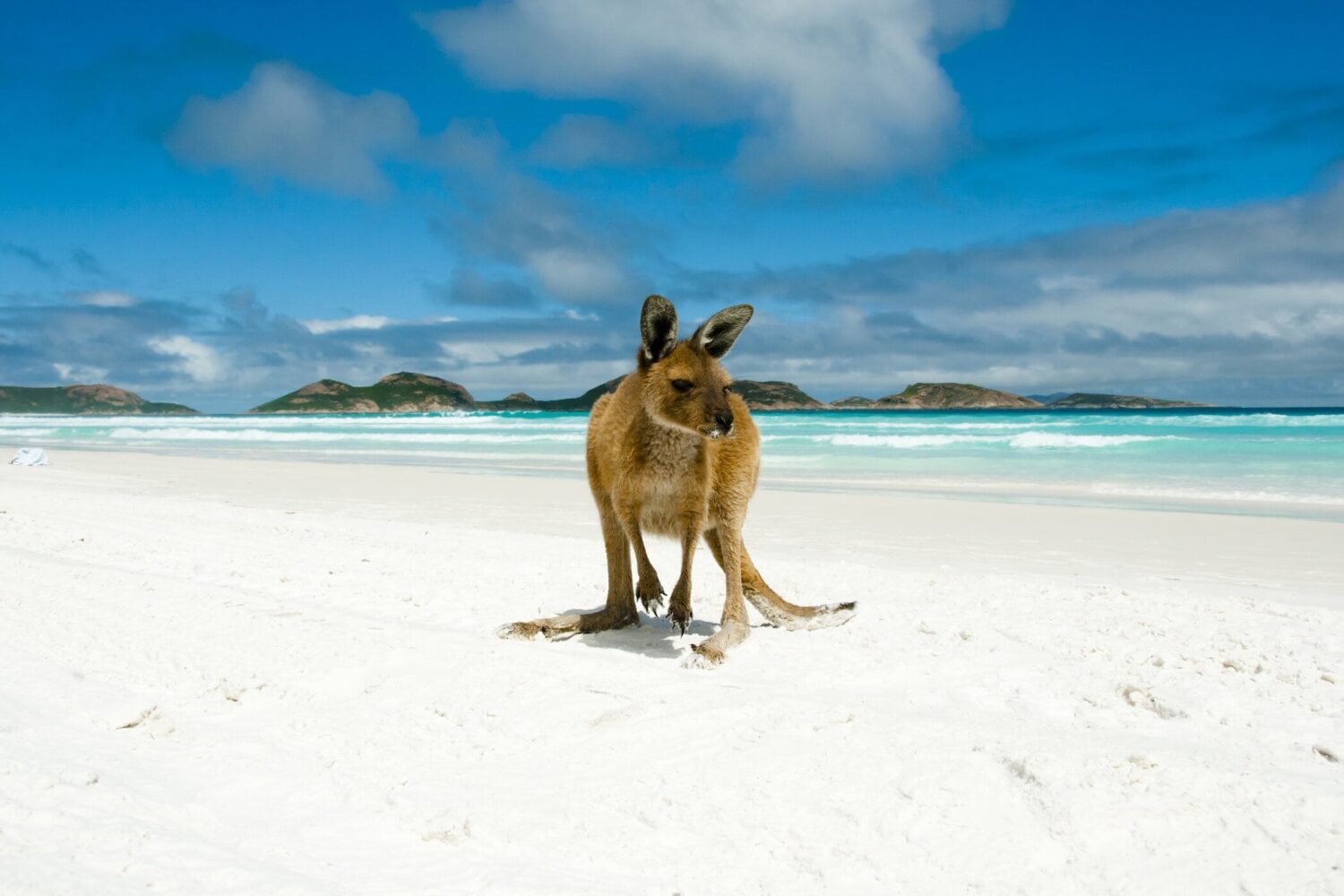
The closest national park to Esperance, Cape Le Grand covers around 32,000 hectares of granite peaks, heathland and white sand bays so fine they squeak underfoot. Established in 1966, it's home to more than 1,100 recorded species, including western grey kangaroos (yongka in the Wudjari Nyungar language), honey possums, white-bellied sea eagles and a rich display of wildflowers from September to November.
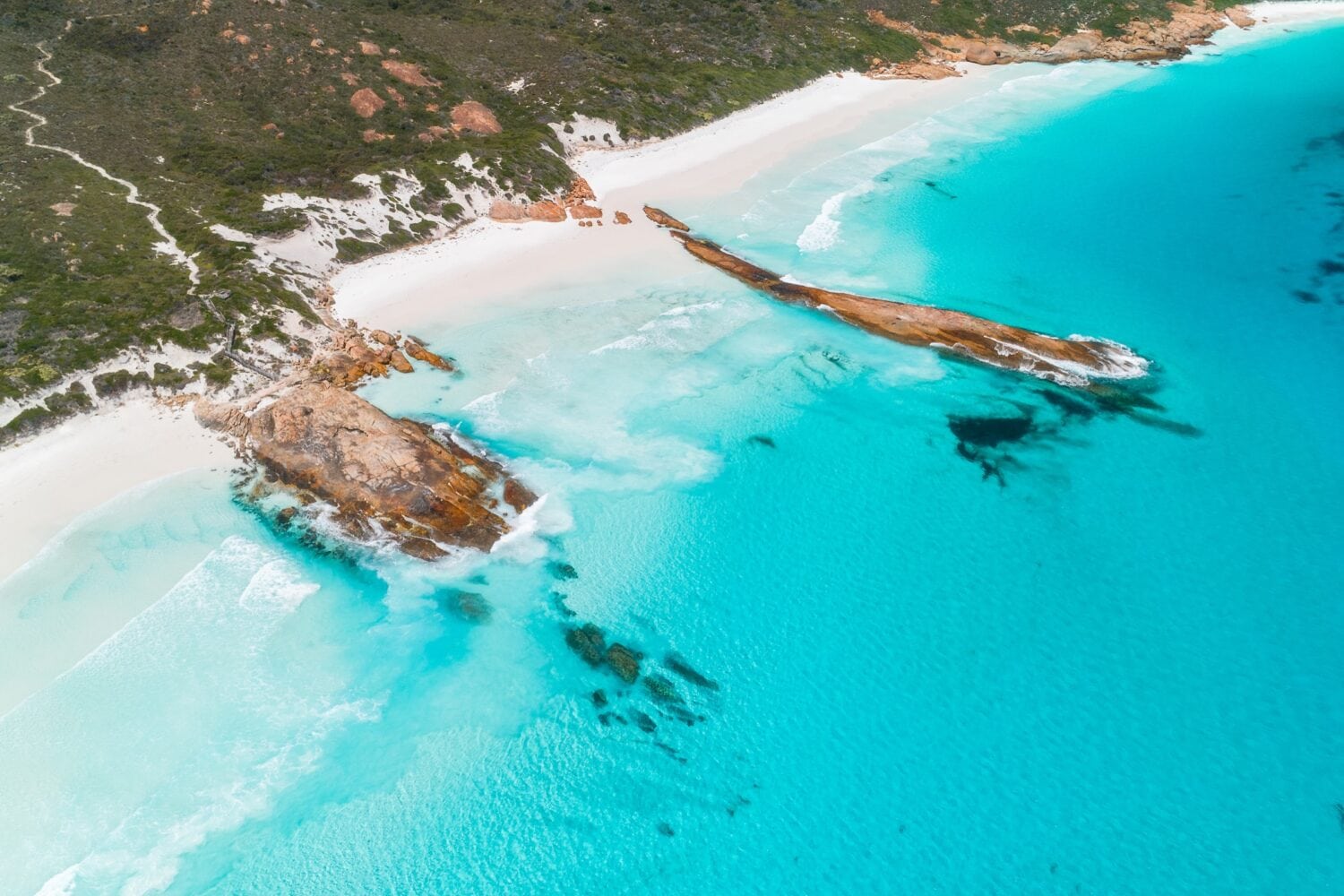
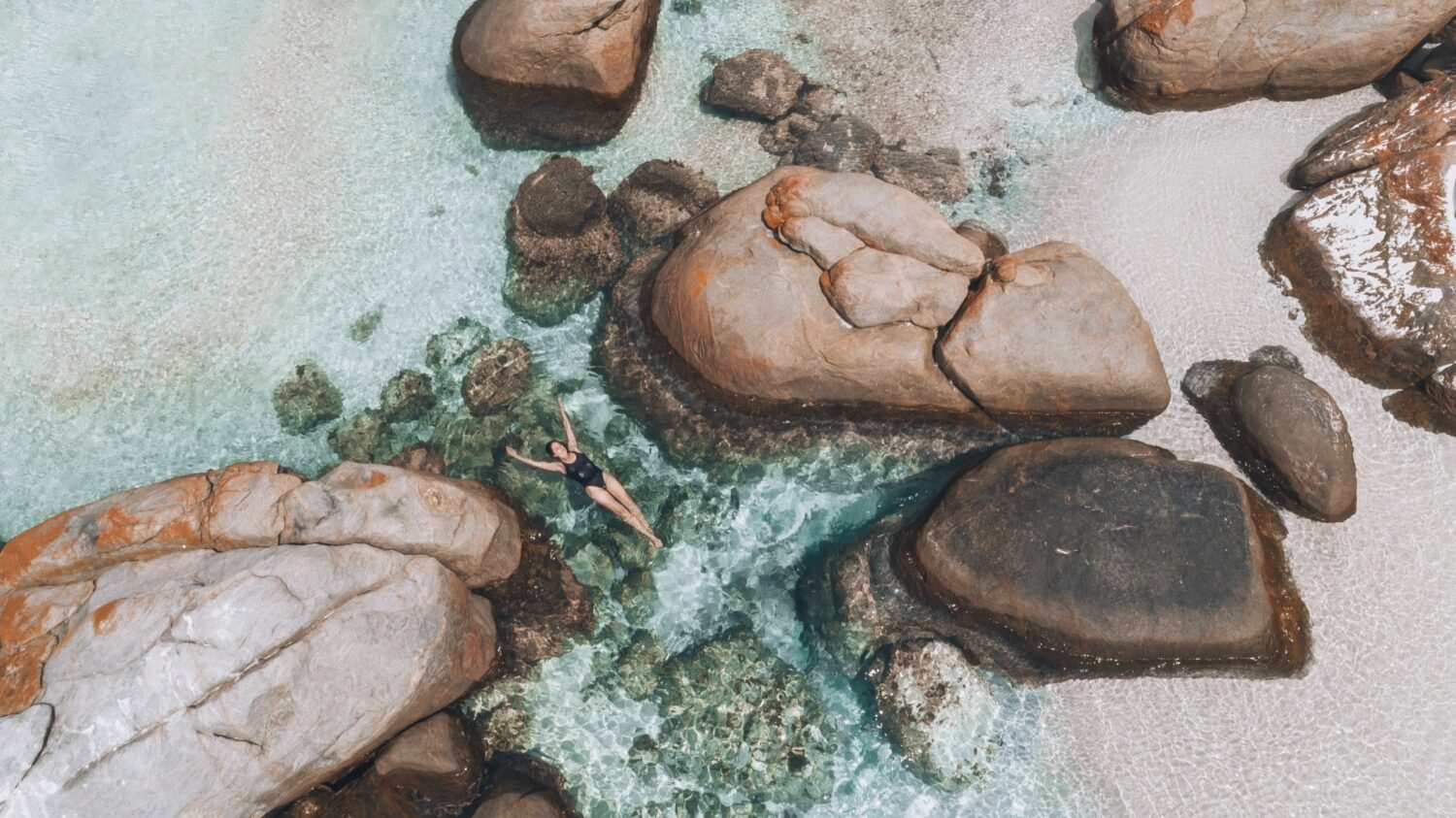
The beaches are the main attraction, and while everyone has a favourite, Lucky Bay is unmissable. Hellfire Bay, Thistle Cove (with its Whistling Rock) and Le Grand Beach each have their own character. Climb Frenchman Peak, known to the Wudjari Nyungar people as Mandooboornup, on a steep 3.5km return trail to a cave near the summit and views along the coast, or walk sections of the Cape Le Grand Coastal Trail between Rossiter Bay and Le Grand Beach. There's camping at Lucky Bay and Le Grand Beach, which book out well ahead in peak season. There's no fuel. No shops or drinking water and limited mobile coverage inside the park, so stock up in Esperance. But you will find a coffee van at Lucky Bay during peak tourism season.
Cape Arid National Park
-
120km east of Esperance
-
2WD to Thomas River (road closures permitting), 4WD beyond
-
first come, first served campgrounds
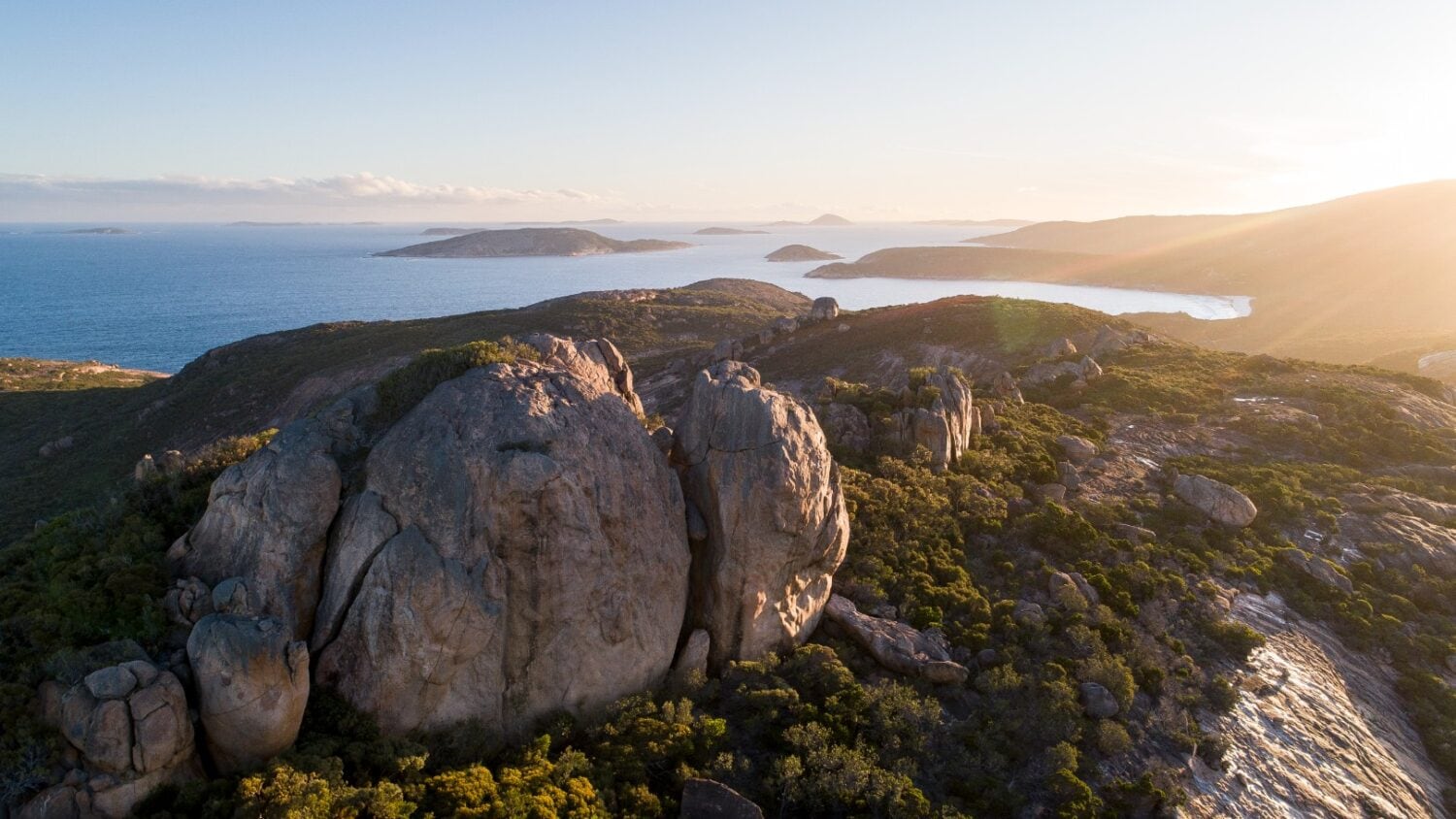
Covering 2,794 square kilometres, Cape Arid stretches from the coast inland to Mount Ragged. It's rich in biodiversity, with around 160 bird species recorded, several of them threatened or endangered. The Russell Range, made mostly of quartzite, rises to almost 600 metres at Tower Peak on Mount Ragged. To the east, the park joins the Nuytsland Nature Reserve, creating an almost unbroken conservation area that reaches towards the South Australian border.
The western side of the park, as far as Thomas River, is 2WD accessible and the perfect introduction. Take an easy walk on the Len Otte Nature Trail, or walk the Tagon Coastal Trail and look out for whales from June to October. Belinup and Yokinup Mia Mia at Thomas River are 2WD campgrounds (check conditions first).
Further east is remote 4WD country for the most experienced, self-sufficient travellers. With beach-driving experience, you can reach the short Hill Springs Trail to an early-1900s homestead site, or tackle the tougher 7km climb up Mount Arid. Mount Ragged, reached by a rough, sandy track off Fisheries Road, rewards a steep scramble to its 594m summit, with strong birdwatching and basic camping at its base. Seal Creek and Jorndee Creek offer more remote 4WD camping. The park is also home to rare birdlife, including the Western Ground Parrot.
Stokes National Park
-
80km west of Esperance
-
2WD to Benwenerup, 4WD beyond
-
bookable and first come, first served campgrounds
Stokes National Park is built around Stokes Inlet, a broad estuary rich in biodiversity, fringed with yates and paperbarks and backed by coastal heath, dunes and mallee bushland. It's a place for fishing, canoeing, camping, bushwalking and birdwatching, with kangaroos, emus and tiny honey possums to spot. In autumn, look for the yellow flowers of the bell-fruited mallee.
Benwenerup campground, on the banks of the inlet, is 2WD accessible and bookable through Parks WA. It's the starting point for the Stokes Inlet Heritage Walk Trail, which runs in two sections to the Stokes Picnic Area past observation decks and interpretive signage. The first section is an easy 1.4km through mallee heath, wheelchair accessible with assistance. When water levels allow, you can also walk to the estuary mouth.
The rest of the park is 4WD only, with remote coastal campgrounds at Skippy Rock, Shoal Cape and Fanny Cove, all first come, first served. One of the park's highlights is wandering among the ruins of Moir's Homestead, first established in 1873.
Peak Charles National Park
-
174km north-west of Esperance
-
4WD
-
free, first come, first served camping
Peak Charles National Park sits within the Great Western Woodlands, almost 16 million hectares of woodland north of Esperance and the largest area of intact temperate woodland in the world. The woodlands are home to more than 3,500 plant species, along with mammals, reptiles, frogs and birds, and new species are still being discovered.
The park's granite peaks, Peak Charles and neighbouring Peak Eleanora, rise high above the surrounding plains. The trail up Peak Charles is broken into three graded sections, so you can turn back at whichever point suits your experience, and the peak also draws experienced climbers. Access is by 4WD, and camping is free and first come, first served. In spring, the area comes alive with wildflowers, including more than 30 species of orchid.
Fitzgerald River National Park
-
Between Hopetoun and Bremer Bay, west of Esperance
-
one sealed scenic drive, then gravel or 4WD
-
campgrounds
Just beyond the Shire of Esperance, Fitzgerald River National Park is one of the largest and most botanically significant national parks in Australia. It holds nearly 20 per cent of Western Australia's flora species, including more than 70 found nowhere else in the world, and is home to rare and threatened animals such as the dibbler and the tammar wallaby.
The Barren Range, the Fitzgerald River and the dramatic coastline make it a striking stop on the way to or from Esperance. From Hopetoun, the sealed section of Hamersley Drive takes in many of the scenic spots. All other roads are gravel or 4WD. Campgrounds such as St Mary Inlet and Four Mile let you stay a night or two.
Before you go
Park entry and camping fees apply to most national parks, and a WA Park Pass covers day entry. Both Cape Le Grand campgrounds must be booked ahead through Parks WA, as well as Benwenerup in Stokes and Four Mile in Fitzgerald River national parks, while others are first come, first served, with the exception of some campgrounds around Hopetoun that must be booked on the Fitzgerald Coast website.
The parks are remote, so plan ahead and travel prepared:
- Tell someone where you're going and when you'll be back.
- Carry plenty of water, food and fuel. There's no fuel and limited mobile coverage inside the parks.
- Check park alerts and track conditions before you leave, especially after rain.
- If you're heading off-road, be 4WD-prepared with recovery gear and the experience to match.
- Dogs and fires aren't permitted in national parks, so pack a gas stove.
- Stay on marked tracks and trails, and clean soil off your shoes and tyres to help stop the spread of dieback.
- Give wildlife space, and never feed or touch it.
Explore
Plan our Trip
Curated trips to get you started.
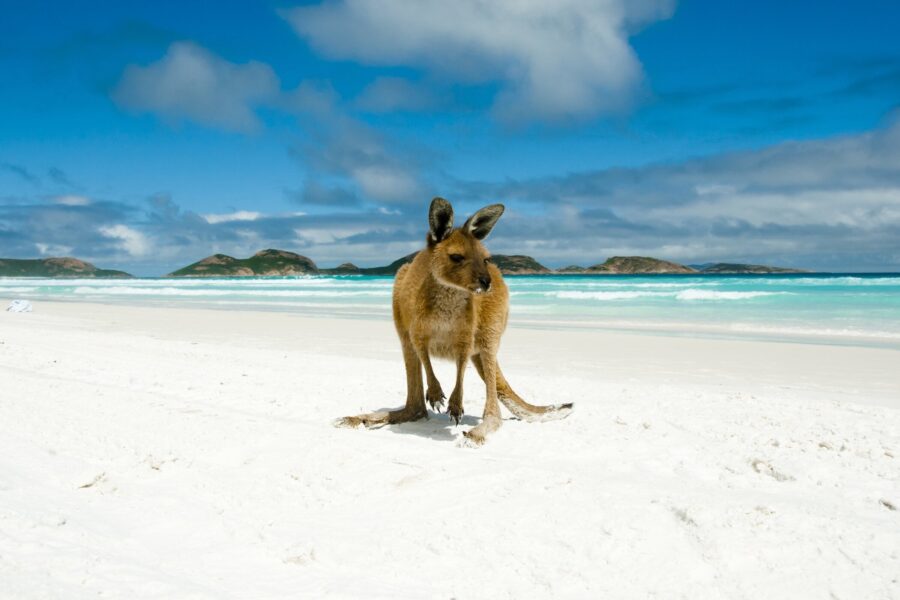
Netted swimming, jetty slides, playgrounds, rock pools and white sand bays. A three-day family itinerary for Esperance, plus rainy day ideas.
Five days, the best of Esperance. Coastal lookouts, Cape Le Grand, an island cruise, a 4WD beach tour, scenic flights and stargazing, planned day by day.
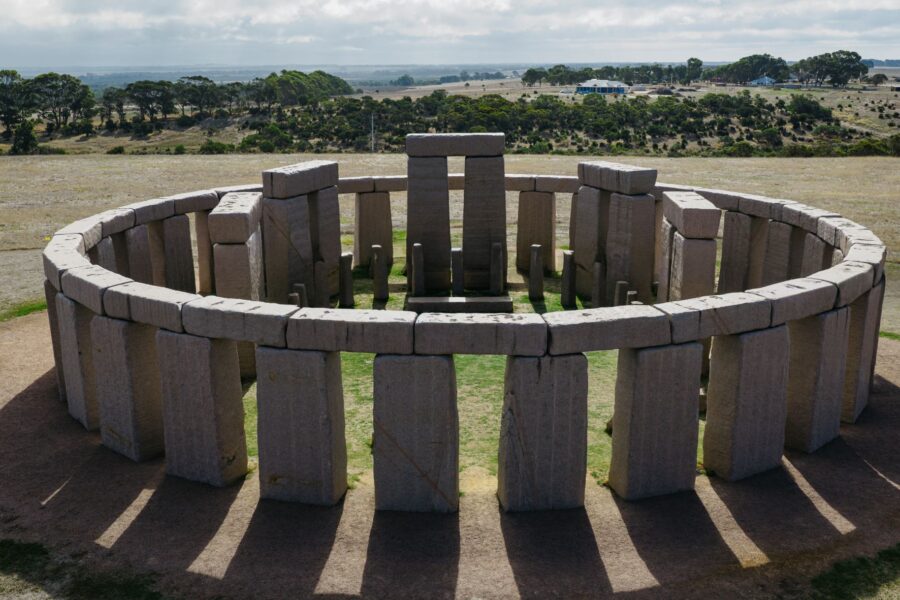
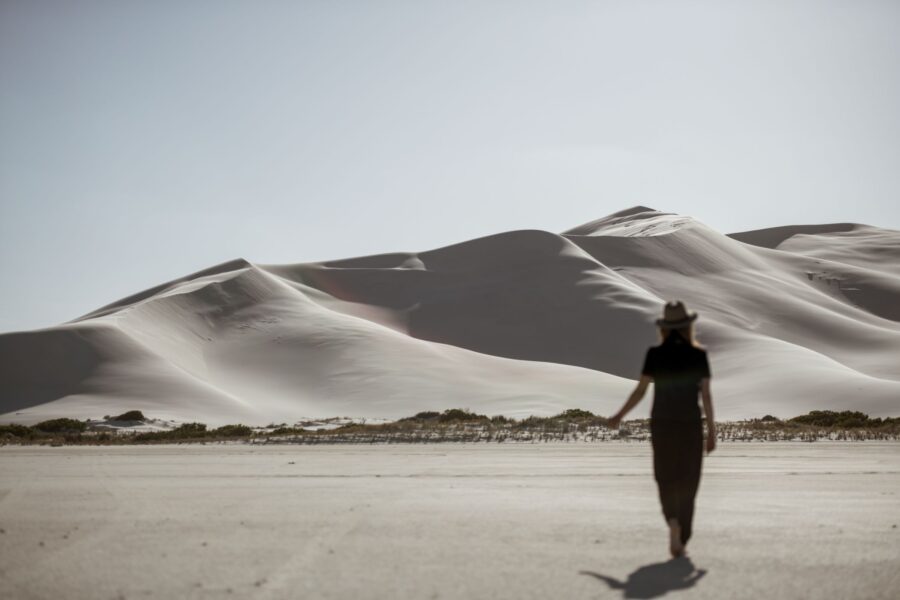
Embark on an unforgettable journey through Esperance’s breathtaking landscapes on this 3-day, self-guided hiking adventure.
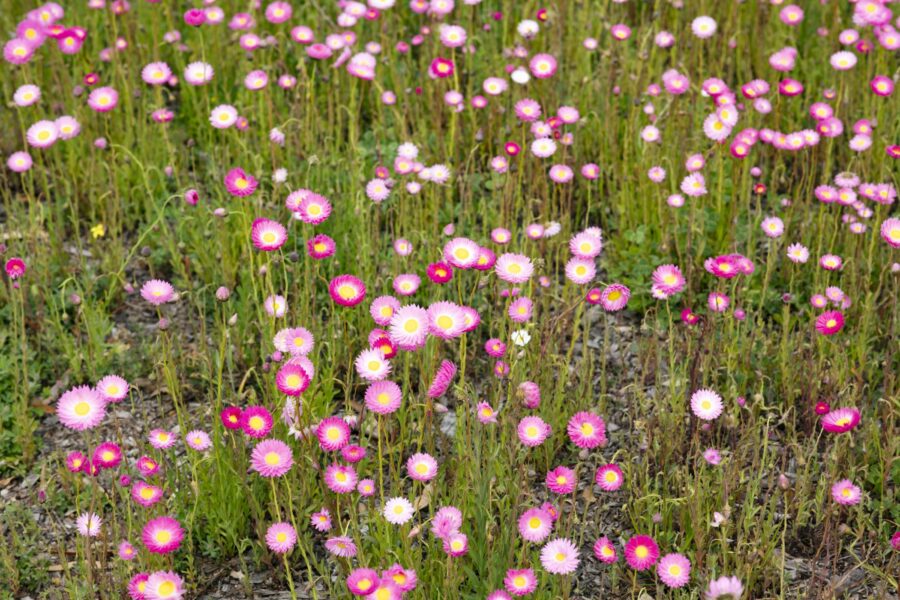
This trail takes you through seven of the region’s best wildflower spots, starting right in town and working out into the bush.
Keep exploring
Australia’s beaches are famous the world over, and Esperance has earned its place among the best of them.
The Esperance Stonehenge is the only full size replica of the original Stonehenge in the UK.
Nature has bestowed upon Esperance a wide range of natural wonders which are sure to make your holiday experience unforgetable.
Why Esperance’s Pink Lake isn’t pink anymore, when you might catch a hint of colour, and how to explore the Ramsar-listed Lake Warden wetlands.
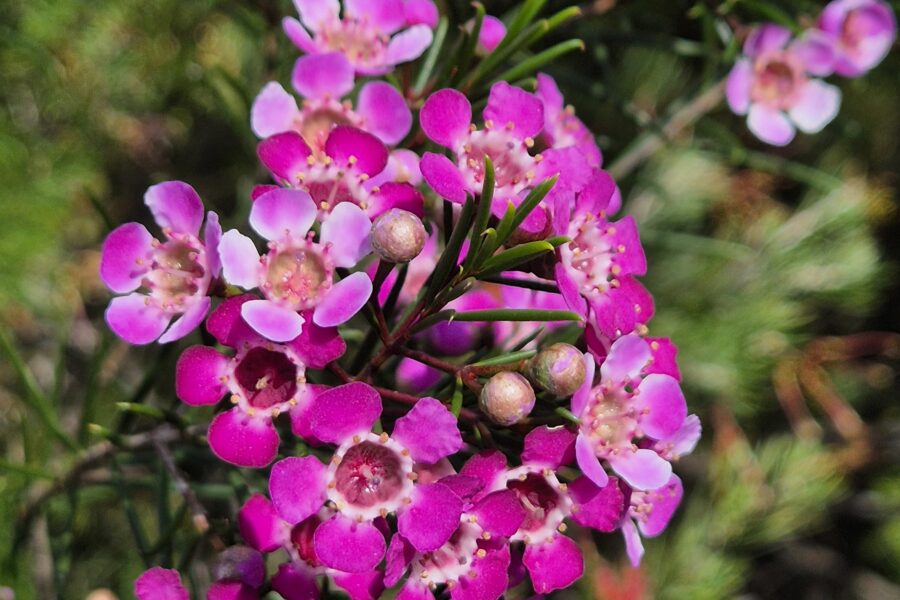
Esperance sits in one of the world’s richest wildflower regions. Here’s when the season peaks, what blooms where, and how to plan your visit.