

-
80km west of Esperance
-
2WD to Benwenerup, 4WD to the coast
-
WA Park Pass required
-
Benwenerup bookable
About 80km west of Esperance, Stokes National Park is built around Stokes Inlet, a broad estuary rich in biodiversity, fringed with yates and paperbarks and backed by coastal heath, dunes and mallee bushland. It's one of the most picturesque estuaries on the south coast, and a quieter place to slow down.
Mornings here are for fishing, paddling and watching the birdlife on the inlet. Walk the Stokes Inlet Heritage Walk Trail, or, with a 4WD, explore the Moir Homestead Ruins and head on to the remote coastal camps at Skippy Rock, Shoal Cape and Fanny Cove. Keep an eye out for kangaroos, emus and, if you're lucky, a tiny honey possum along the way.
Is Stokes for you?
Stokes suits travellers who want calm water, birdlife and a quiet camp, whether that's a day trip from Esperance or a night or two by the inlet.
-
Got a 2WD and want an easy escape? Benwenerup Campground and picnic area sit on the banks of Stokes Inlet, with bookable sites and the Stokes Inlet Heritage Walk Trail on your doorstep.
-
Got a 4WD and know how to get yourself out of trouble? Tracks lead on to the remote coastal camps at Skippy Rock, Shoal Cape and Fanny Cove. Come self-sufficient and check track conditions before you go.
-
After white sand bays closer to Esperance? Cape Le Grand National Park is 50km east of Esperance and sealed all the way.
-
Travelling with a dog? Dogs aren't permitted in national parks. The Shire's beach campsites at Quagi Beach and Munglinup Beach are nearby options; check the Shire's rules before you go.

Getting there
Stokes National Park is about 80km west of Esperance. Benwenerup Campground and the picnic area are 2WD accessible, reached via Stokes Inlet Road, making it an easy day trip from Esperance or a peaceful overnight stop on the way in from the west.
To access Fanny Cove, follow Farrell Road to the national park boundary then continue on the signposted 4WD track. The Moir Homestead ruins are along this route. Shoal Cape is beyond Fanny Cove, on a more challenging 4WD track. Skippy Rock is on the opposite side of the park, following Springdale Road, Torradup Road, and finally a high clearance 4WD track to the campground. Check DBCA Park Alerts(opens in new tab) for closures before you go, especially after rain.
A WA Park Pass(opens in new tab) is required to enter. Services are spread out west of Esperance, so fuel up and stock up before you leave.
Stokes Inlet and Benwenerup (2WD)
Stokes Inlet
The heart of the park, Stokes Inlet is a broad estuary fringed with yates and paperbarks, where abundant birdlife frequents the water and its shores. It's a calm place for fishing and canoeing, and when water levels allow, you can walk all the way to the estuary mouth via the 3.5km walk - trail depends on water levels as the trail follows the western shoreline of the estuary.
Benwenerup
On the banks of the inlet, Benwenerup is the park's campground and picnic area, and the easiest way in. It's the starting point for the Stokes Inlet Heritage Walk Trail, and a base for a morning on the water.
Stokes Inlet Heritage Walk Trail
The trail runs in two sections, from Benwenerup Campground to the Stokes Picnic Area, with observation decks along the way giving sweeping views over the estuary.
-
Section 1: an easy 1.4km walk through mallee heath to a small car park, wheelchair accessible with assistance, with a bench at the halfway point. Look for ancient Zamia plants and interpretive signage on their history.
-
Section 2: from the car park, the trail climbs a limestone ridge before steps lead down to the day use area, with further signage on the history and formation of Stokes Inlet.
Check Trails WA(opens in new tab) for track notes before you go.
The remote coast (4WD)
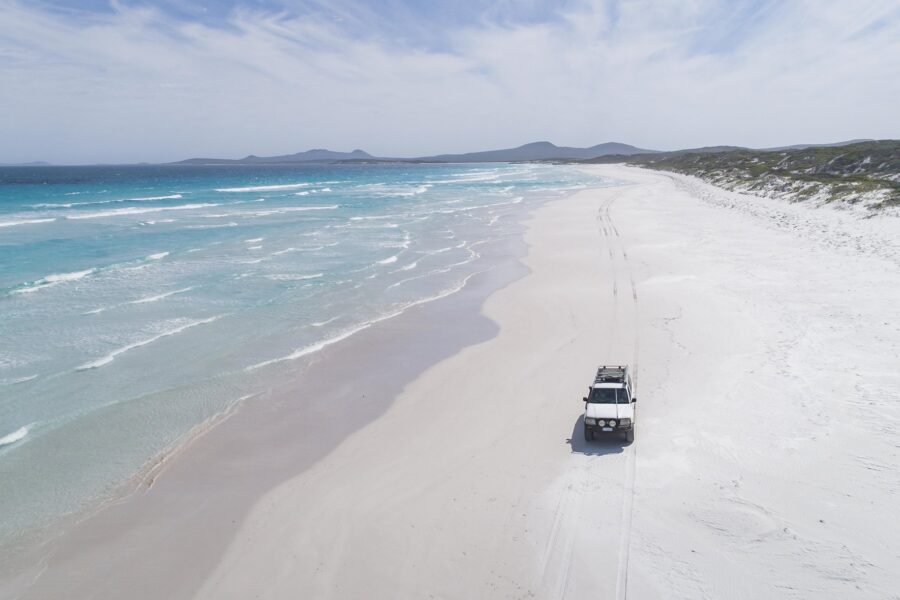
Beyond the inlet, 4WD tracks lead to a wilder stretch of coastline and three remote campgrounds at Skippy Rock, Shoal Cape and Fanny Cove. Out here, it's just you, the bush and the Southern Ocean, so come self-sufficient and know your limits.
Tracks can be very soft and sandy, and conditions change with weather and use. Travel with recovery gear, lower your tyre pressures for sand.
Moir Homestead Ruins
The remains of the Moir Homestead are a reminder of early efforts to settle this stretch of coast, and worth a wander when you're exploring the park with a 4WD.
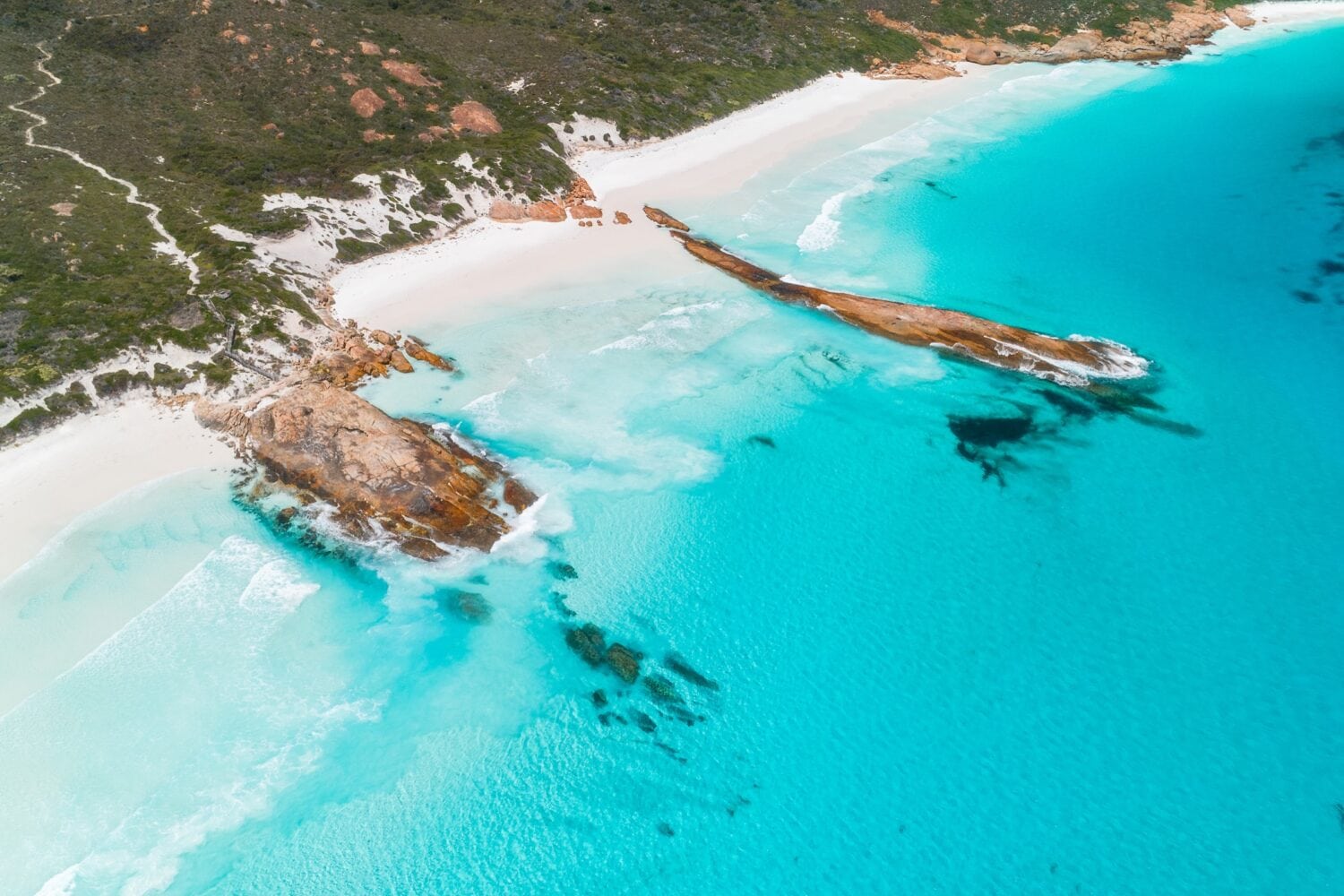



Wildlife and wildflowers
Stokes Inlet is a haven for birdlife, with waterbirds on the estuary and its shores, and bush birds in the surrounding heath and mallee. Bring binoculars and take your time on the observation decks along the Heritage Walk Trail.
On land, look out for kangaroos and emus, and if you're very lucky, a tiny honey possum feeding on the flowering heath. In spring, from August to November, the heathland bursts into wildflowers, and in autumn, look for the yellow flowers of the bell-fruited mallee.
When the sun goes down, look up. Far from city lights, the night skies over Stokes are full of stars.
Help keep the park as you found it: stay on marked trails, clean soil off your shoes and tyres to help stop the spread of dieback, and give wildlife plenty of space.
Camping
-
Benwenerup Campground (2WD): on the banks of Stokes Inlet, the park's main campground and the only one you can book ahead, through Park Stay WA(opens in new tab). Book well ahead in summer and school holidays. 14 compacted gravel campsites that vary in size, shape and orientation. 13 sites are reverse-in. Entry can be narrow. 2 food prep/dining shelters equipped with gas barbecues, dishwashing sinks, and food preparation surfaces. 4 waterless toilets designed for wheelchair access. Access to the inlet for launching canoes, kayaks, and small boats.
(opens in new -
Skippy Rock, Shoal Cape and Fanny Cove (4WD only): remote coastal camps for self-sufficient travellers, first come, first served. Skippy Rock has 9 sites and a bush toilet, Shoal Cape has 3 small tent sites, a bush toilet and picnic table, and Fanny Cove has 4 sites, a bush toilet, and a shaded picnic area with picnic tables.
Campfires aren't permitted, so pack a gas stove. Bring all the water you'll need, and take all your rubbish home with you. Check Parks WA for current facilities and fees before you go.
See all campgrounds on Bush Camps and National Parks.
Before you go
- Park pass: a WA Park Pass is required for entry. Camping fees are separate.
- Fuel and supplies: services are spread out west of Esperance, so fuel up and stock up before you leave. Bring food, plenty of water, sunscreen and a hat.
- Road and track conditions: check DBCA Park Alerts before you go. Beyond Benwenerup, drive only with a 4WD, recovery gear and sand-driving experience.
- Beach driving: check the tides before you drive on any beach, and plan your trip around low tide. The tide can come in quickly, and a vehicle caught on soft sand can be submerged in minutes.
- Water safety: conditions on the coast can change quickly. Swim with care, stay well back from wet rocks, and never turn your back on the ocean.
- Dieback: clean soil off your shoes and tyres, and stay on marked tracks and trails.
- Wildlife: give animals plenty of space, and never feed or touch them.
- Dogs and fires: neither is permitted in the park.
Read The Esperance Promise and Coastal Safety before you head out.
Find & Book
Plan our Trip
Curated trips to get you started.

This trail takes you through seven of the region’s best wildflower spots, starting right in town and working out into the bush.
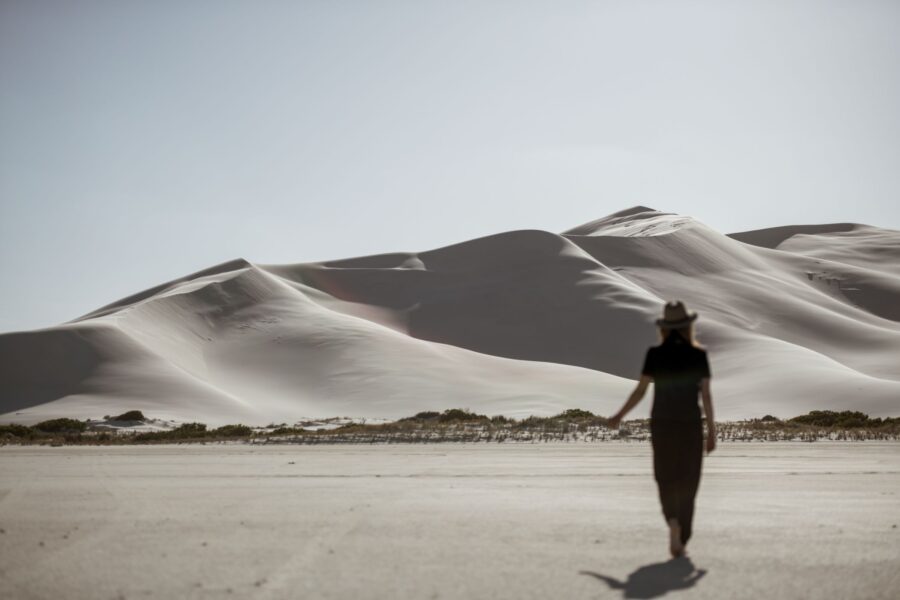
Embark on an unforgettable journey through Esperance’s breathtaking landscapes on this 3-day, self-guided hiking adventure.
Frequently Asked Questions
About 80km west of Esperance, via Stokes Inlet Road. It’s an easy day trip, or a peaceful overnight stop on the way in or out of Esperance from the west.
Not to visit the inlet. Benwenerup Campground, the picnic area and the Stokes Inlet Heritage Walk Trail are all 2WD accessible. You’ll need a 4WD to reach the coastal campgrounds at Skippy Rock, Shoal Cape and Fanny Cove.
Yes. A WA Park Pass is required to enter the park.
Yes. Benwenerup is 2WD accessible and can be booked ahead through Park Stay WA. The 4WD-only coastal camps at Skippy Rock, Shoal Cape and Fanny Cove are first come, first served.
Yes. Stokes Inlet is a calm spot for fishing and canoeing. Check current recreational fishing rules before you go.
No. Dogs aren’t permitted in national parks. The Shire’s beach campsites at Quagi Beach and Munglinup Beach are nearby; check the Shire’s rules before you go.
Year-round. Spring brings wildflowers from August to November, autumn brings the yellow flowers of the bell-fruited mallee, and summer suits camping and fishing. Benwenerup books out in peak season, so plan ahead.
Keep exploring
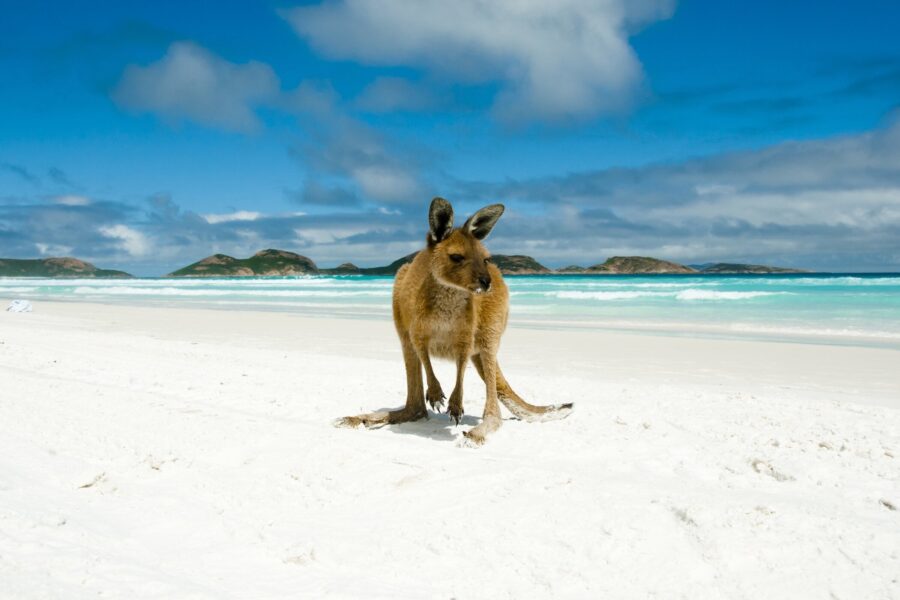
From scenic road trips through the region, to what to do on a rainy day, find a ready-made plan to suit your time and travel style.
Accommodation in Esperance embodies the coastal lifestyle; grounded and understated, offering a window to the outdoors and an invitation to explore.
Plan where to eat and drink in Esperance: coffee, bakeries, cafes, dining out, takeaway and pubs, plus tips for picnics and days out.