
-
50km south-east of Esperance
-
2WD, sealed all the way
-
WA Park Pass required
-
bookable campgrounds
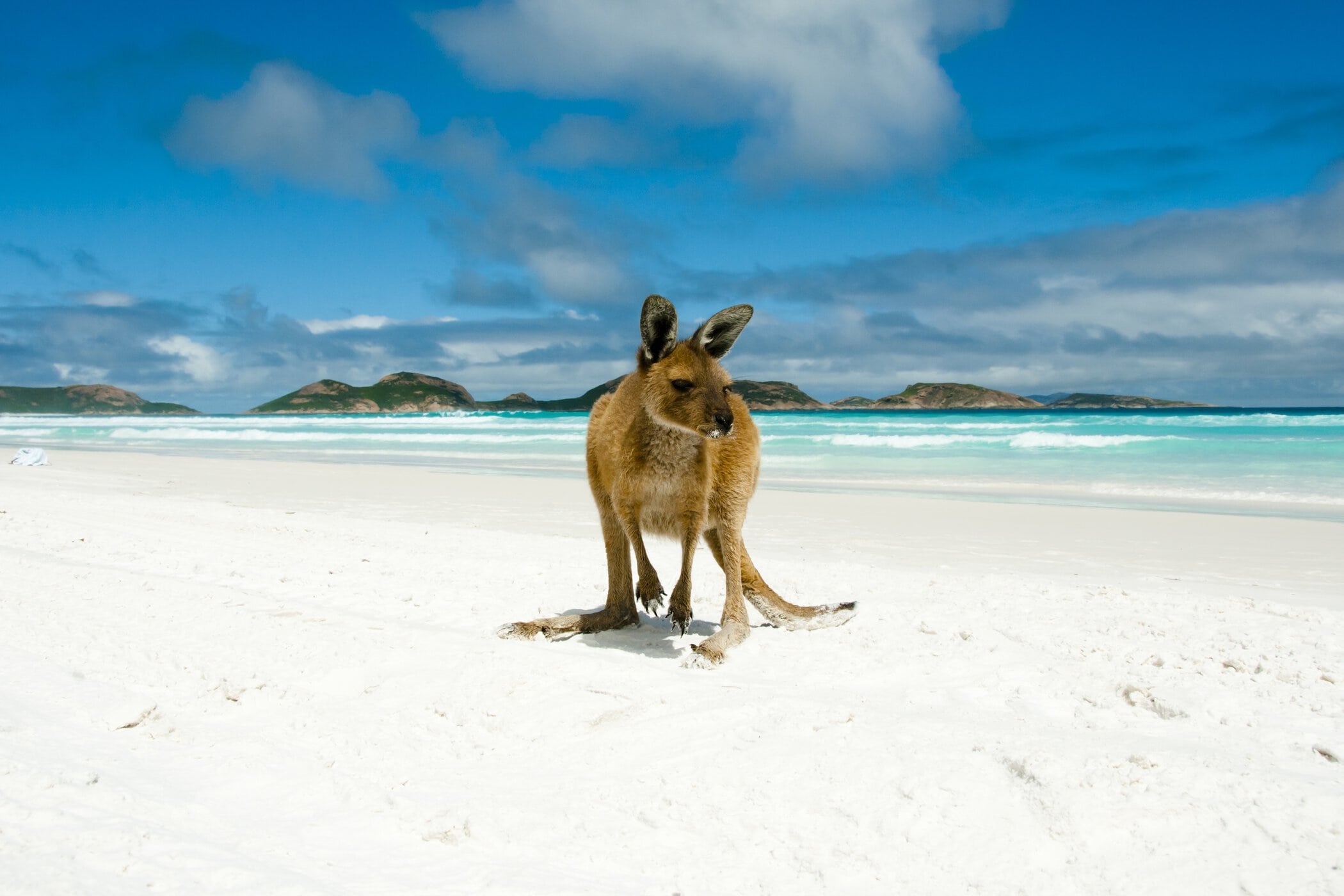
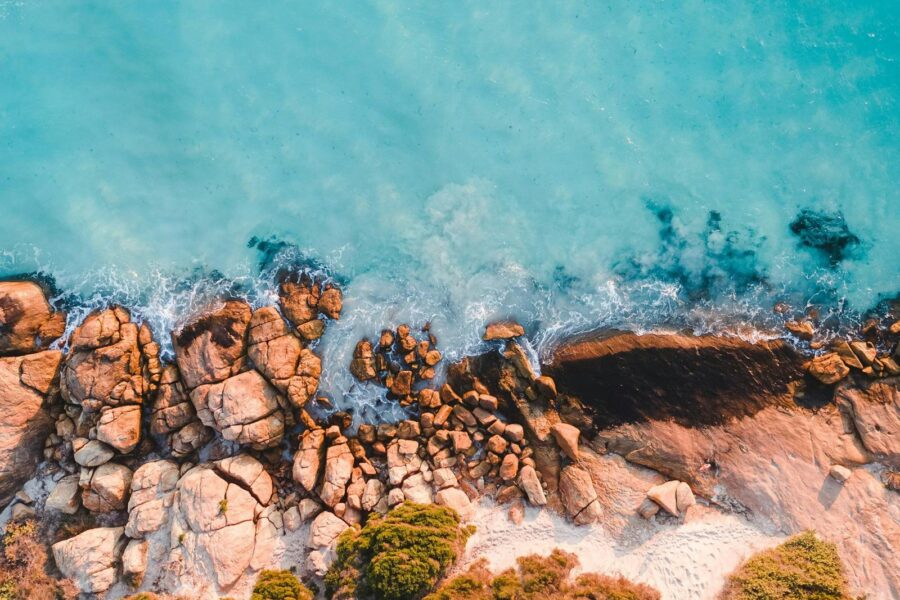
Just 50km south-east of Esperance Kepa Kurl, Cape Le Grand National Park is where granite peaks rise straight out of the heathland and meet a string of white sand bays. White sand so fine it squeaks underfoot, clear turquoise water and sweeping headlands make it the region's best-known national park, and the easiest to reach.
Established in 1966, the park covers around 32,000 hectares and is home to more than 1,100 recorded species of plants, animals and fungi. Come for a day of swimming and beach-hopping, climb Frenchman Peak for the view, walk the Coastal Trail between the bays, or camp overnight and watch the light change over the water.
Fun Fact
Lucky Bay has been officially crowned Australia's whitest beach, twice. Soil scientists compared sand from beaches across the country in 2006 and again in 2007, and Lucky Bay won both times. The secret is fine, frosted quartz weathered from granite, with no rivers nearby to stain it.
Getting there
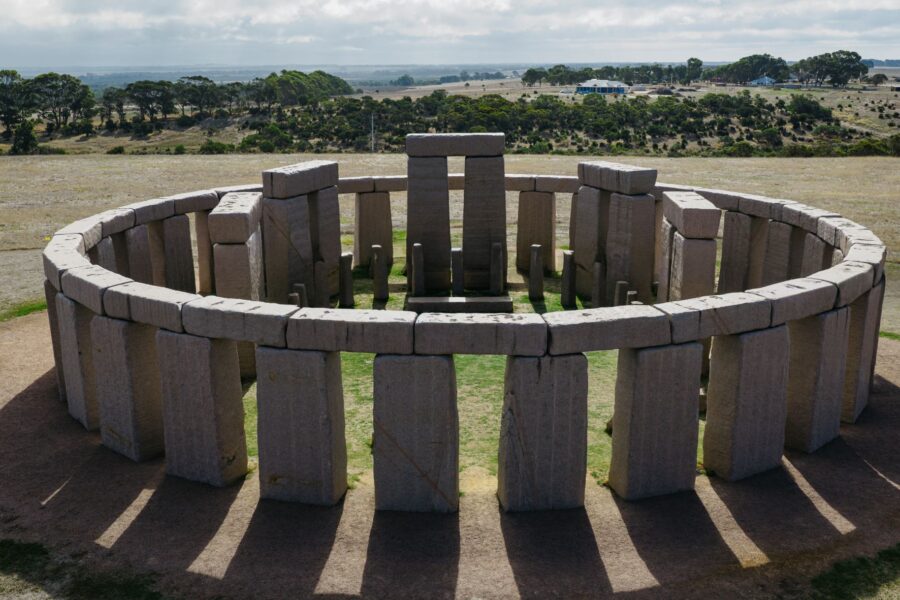
From Esperance, follow Merivale Road east, then turn onto Cape Le Grand Road. The road is sealed all the way into the park, so it's suitable for any vehicle, and the drive takes around 50 minutes to an hour. On the way, you'll pass Esperance Stonehenge, worth a stop on the way in or out.
Once inside the park, sealed roads lead to Lucky Bay, Hellfire Bay, Thistle Cove, Le Grand Beach and the Frenchman Peak car park. Rossiter Bay is just past Lucky Bay and is accessed by a corrugated gravel road.
A WA Park Pass is required for entry. There's no fuel and limited mobile coverage inside the park, so fill up and stock up with food and water in Esperance before you go.
The Beaches
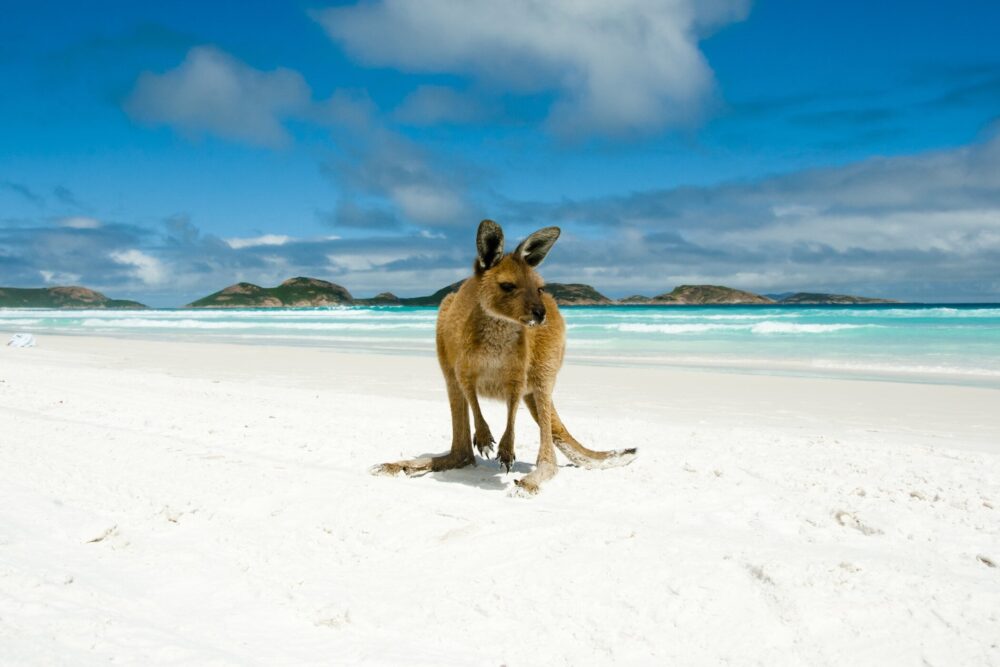
The beaches are the heart of Cape Le Grand, and while everyone has a favourite, each bay has its own character.
Lucky Bay
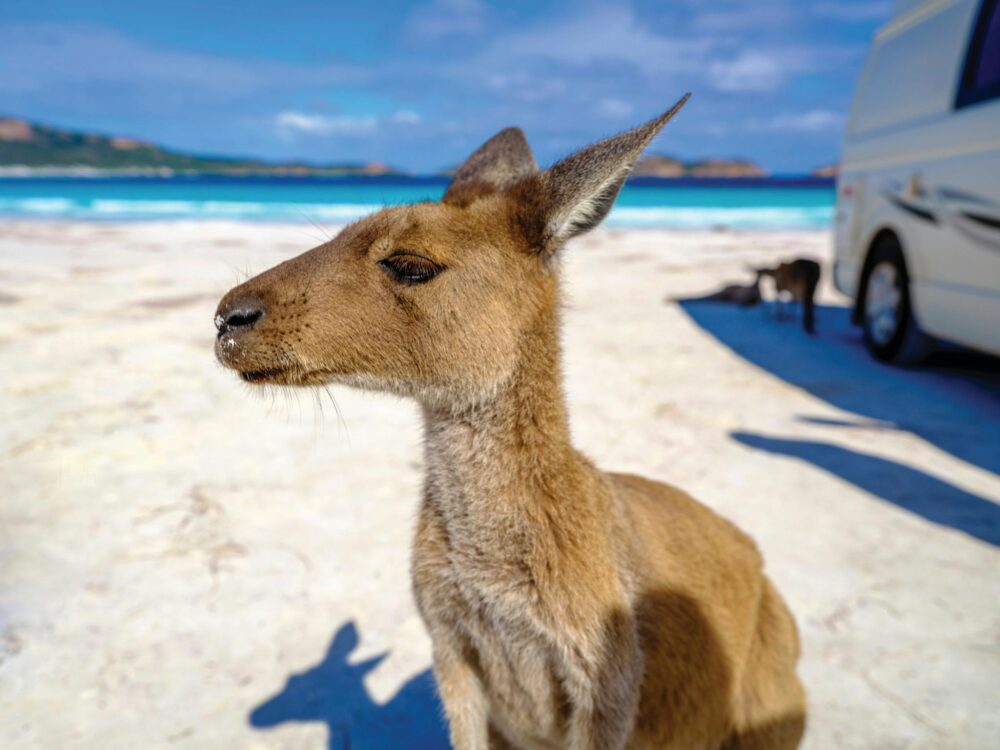
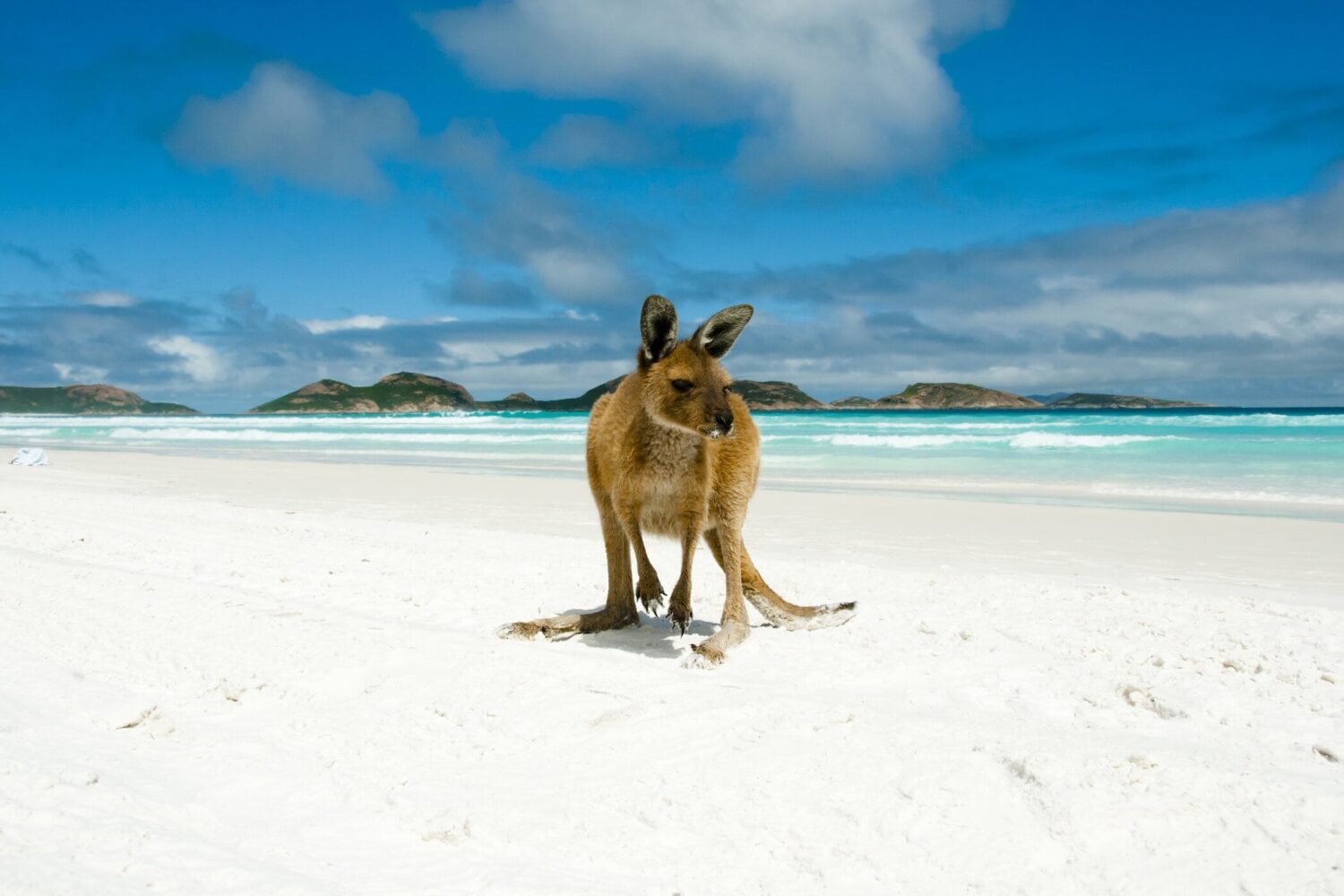
Lucky Bay is the park's most famous beach: a long, sheltered sweep of white sand made almost entirely of silica, which is why it squeaks underfoot. The water is calm and clear, making it a great spot for swimming, paddling and snorkelling, and there's a campground right behind the dunes. Western grey kangaroos live in the park, and if you're lucky you may spot one in the surrounding bushland. Keep at least 5m away, and never feed or touch them. In peak tourist season, a coffee van sets up right on the beach.
Hellfire Bay
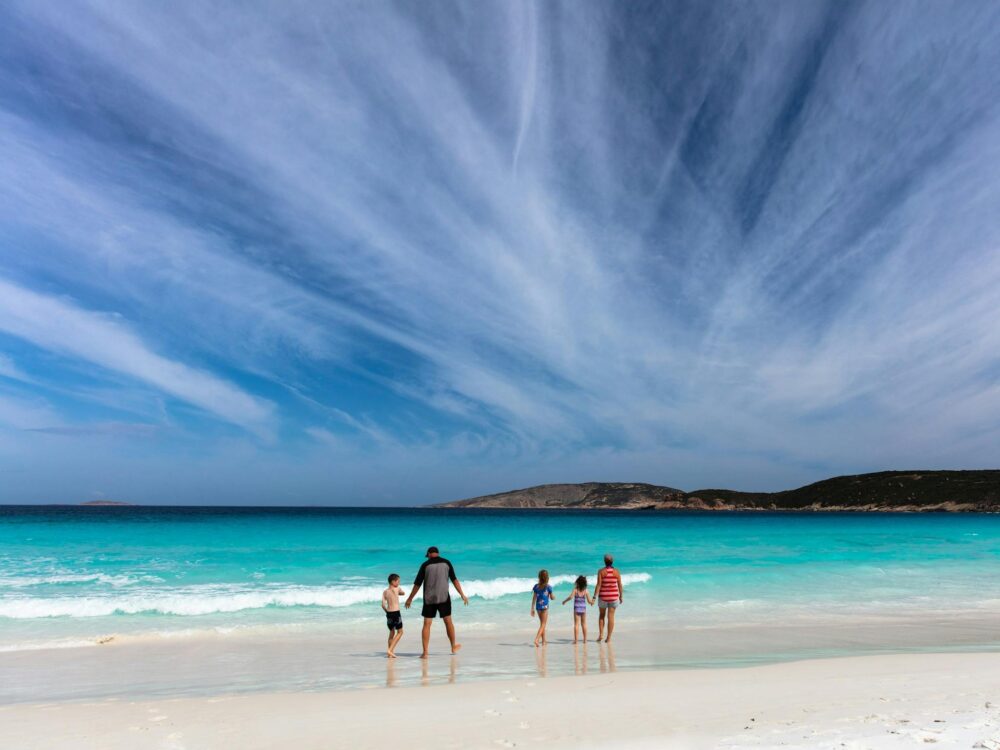
Smaller and framed by granite, Hellfire Bay is a picture-perfect cove with clear water that's great for snorkelling, swimming and fishing. Stories differ on how it got its name, from sailors' tales of St Elmo's fire to the way the granite glows red in certain light. There are barbecues and toilets, and the 1km return Hellfire Bay Lookout walk gives you views back over the bay. If you keep walking just a little further you find Little Hellfire, a more intimate version of Hellfire. There's no camping at Hellfire Bay.
Thistle Cove
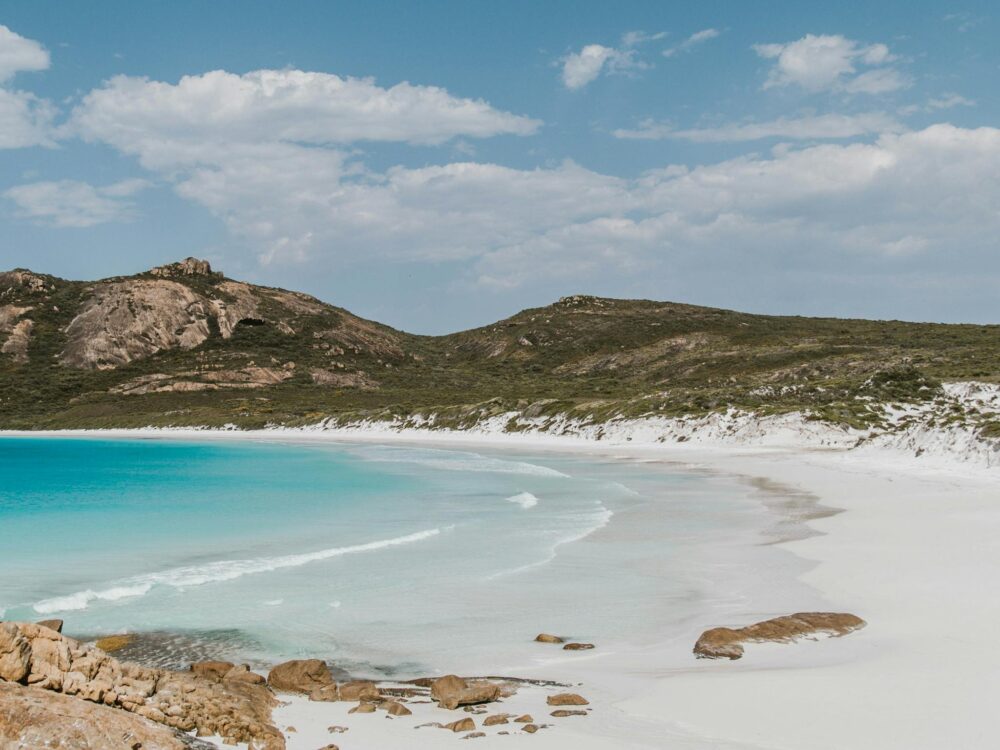
Tucked between Lucky Bay and Hellfire Bay, Thistle Cove is home to the Whistling Rock, a granite formation that can whistle when the wind blows through it. It's a quieter spot for a swim and a wander over the rocks.
Le Grand Beach
At the western end of the park, Le Grand Beach is a long, open stretch of sand with a small campground, and the starting point (or end) of the Cape Le Grand Coastal Trail.
Frenchman Peak (Mandooboornup)
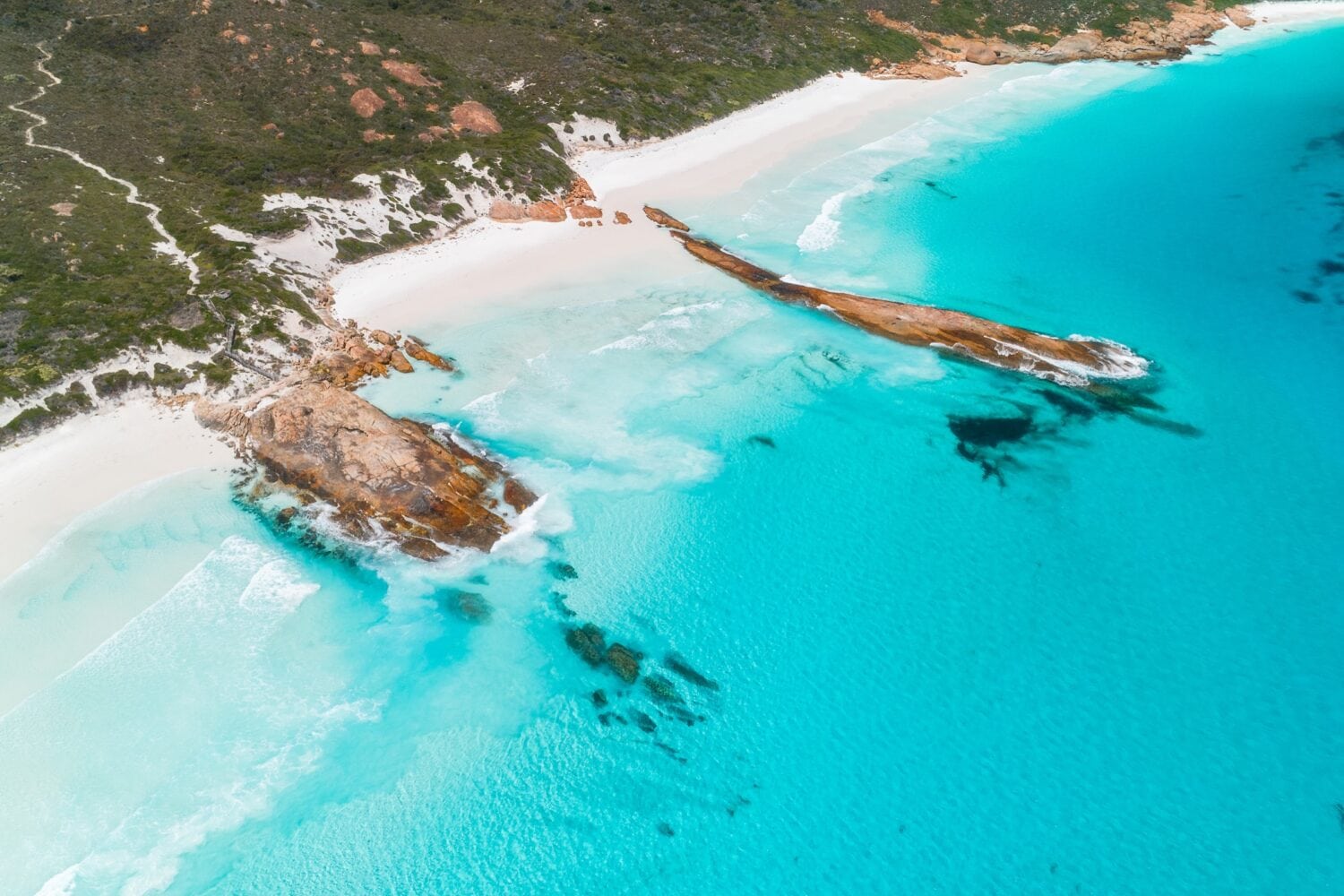
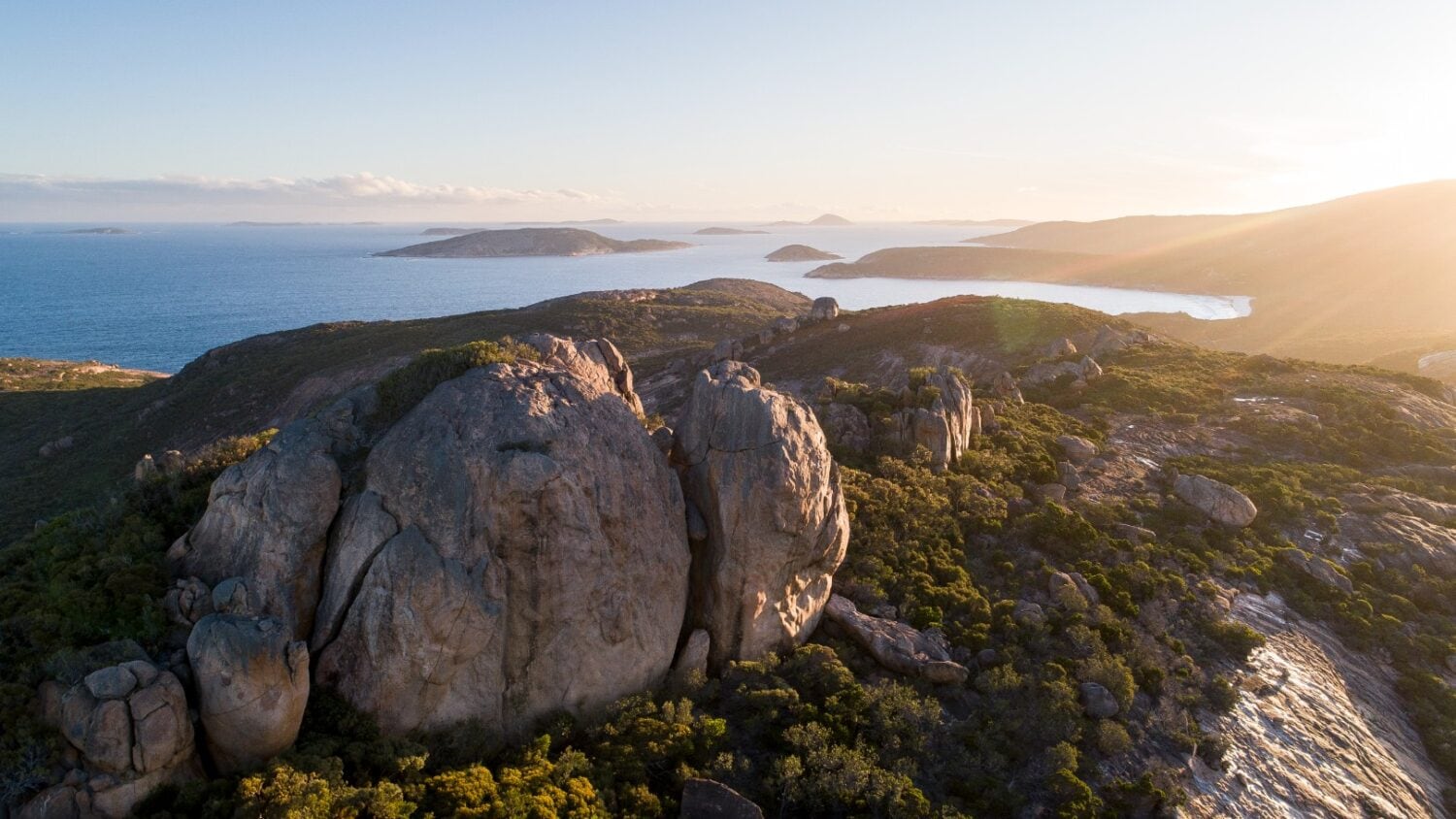
Rising above the park, Frenchman Peak is known to the Wudjari Nyungar people as Mandooboornup. Its granite and gneiss were shaped over some 600 million years, and near the summit a cave was carved out when sea levels were far higher than they are today.
The Frenchman Peak Trail is a steep 3.5km return climb over bare granite to the cave and the summit, with views along the coast, across the heathland and out to the islands of the Recherche Archipelago. Wear shoes with good grip, carry water, and avoid the climb when the rock is wet or in strong winds, as the granite can be slippery and exposed.
Walking trails
The Cape Le Grand Coastal Trail runs for 20km between Rossiter Bay and Le Grand Beach, linking Lucky Bay, Thistle Cove and Hellfire Bay along the way. It's broken into four sections, so you can walk a single leg between two bays or tackle the full trail over a couple of days, with rugged granite headlands, coastal heath and turquoise water the whole way.
For something shorter, the 1km return Hellfire Bay Lookout walk is an easy leg-stretch with views over the bay. Check Trails WA(opens in new tab) for track notes, difficulty ratings and times before you set out, and arrange a car shuttle if you're walking one way.
Wildlife and wildflowers
Cape Le Grand is rich in life, with more than 1,100 species recorded across the park, including over 550 animals and 530 plants. Western grey kangaroos, known as yongka in the Wudjari Nyungar language, live in the park, along with honey possums and bandicoots. Overhead, look for white-bellied sea eagles and wedge-tailed eagles, while the park's wetlands are home to the endangered Australasian bittern. Out on the water, keep an eye out for dolphins, seals and, in season, whales.
From September to November, the heathland bursts into flower, with banksias, hakeas, grevilleas, melaleucas and eucalypts colouring the landscape. It's one of the stops on the Wildflower Trail.
To protect the park's wildlife, keep your distance, never feed or touch animals, and stay on marked tracks and trails.
Camping
There are two campgrounds in the park, both 2WD accessible and bookable through Parks WA.
-
Lucky Bay: 56 unpowered sites right behind the beach. It's one of the most sought-after campgrounds in the country, so book well ahead, especially in summer and school holidays.
-
Le Grand Beach: 14 sites at the quieter western end of the park, close to the start of the Coastal Trail.
Drinking water isn't guaranteed, so bring your own. Fires and dogs aren't permitted, generator hours apply, and there are no dump points or bins, so take all your rubbish and waste home with you. Campground hosts are on site at busy times to help.
Before you go
- Park pass: a WA Park Pass is required for entry. Camping fees are separate.
- Supplies: there's no fuel and limited mobile coverage in the park. Bring food, plenty of water, sunscreen and a hat.
- Water safety: conditions can change quickly. Swim at calm, sheltered beaches, stay well back from wet granite, and never turn your back on the ocean.
- Dieback: clean soil off your shoes and tyres, and stay on marked tracks and trails to help stop the spread of dieback.
- Wildlife: keep at least 5m from kangaroos, and never feed or touch any animals. Feeding wildlife is illegal and harmful to their health.
- Dogs and fires: neither is permitted in the park, so pack a gas stove.
Read The Esperance Promise and Coastal Safety before you head out.
Find & Book
Plan our Trip
Curated trips to get you started.
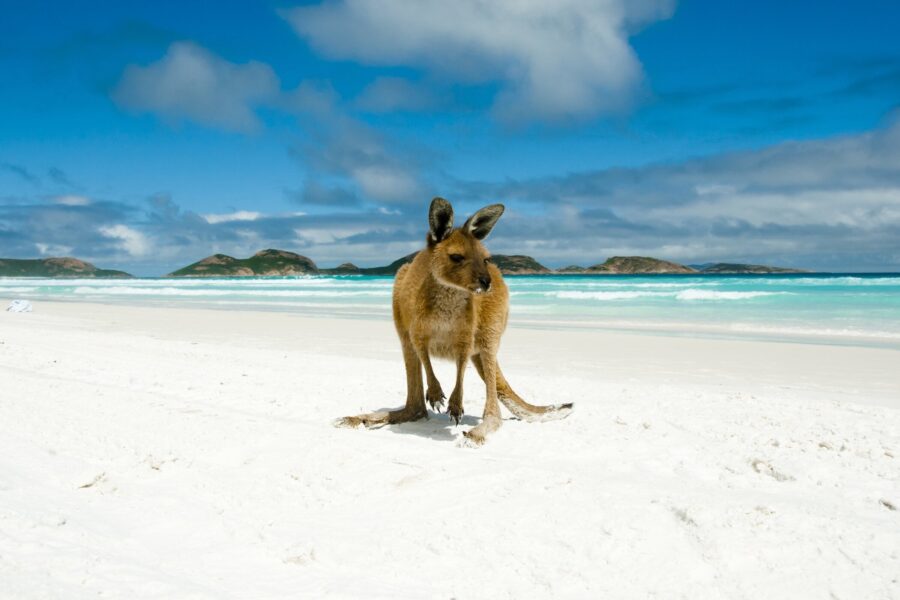
Netted swimming, jetty slides, playgrounds, rock pools and white sand bays. A three-day family itinerary for Esperance, plus rainy day ideas.
Five days, the best of Esperance. Coastal lookouts, Cape Le Grand, an island cruise, a 4WD beach tour, scenic flights and stargazing, planned day by day.
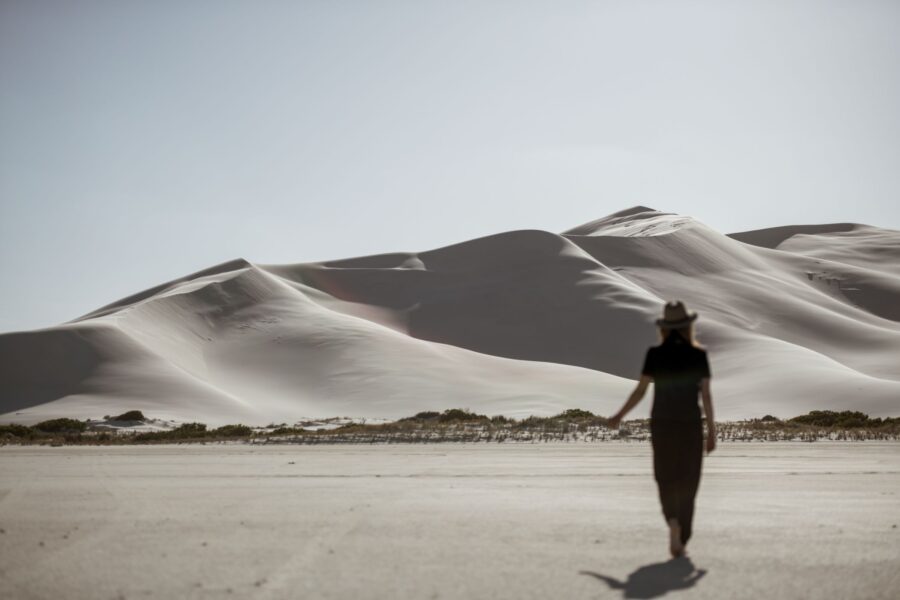
Embark on an unforgettable journey through Esperance’s breathtaking landscapes on this 3-day, self-guided hiking adventure.
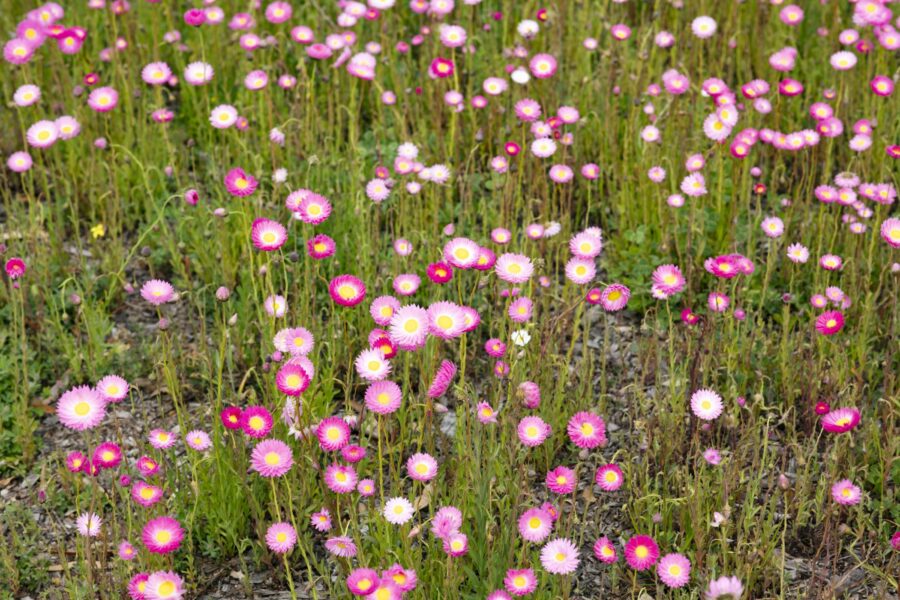
This trail takes you through seven of the region’s best wildflower spots, starting right in town and working out into the bush.
Frequently Asked Questions
About 50km south-east of Esperance, on sealed roads all the way. It’s an easy day trip in any vehicle.
No. The road is sealed all the way into the park and to the main beaches.
Yes. A WA Park Pass is required to enter the park, or you can pay a day entry at the gate on the day of your visit.
Yes, at Lucky Bay (56 sites) and Le Grand Beach (14 sites). Both can be booked through Parks WA, and they both book out well ahead.
You might, if you’re lucky. Western grey kangaroos live in the park, but sightings aren’t guaranteed. Keep at least 5m away and never feed them.
It’s a steep 3.5km return climb over bare granite. Wear shoes with good grip, carry water, and avoid it in wet or windy weather.
No. Dogs aren’t permitted in national parks.
Year-round. Summer is beach season, spring brings wildflowers from September to November, and winter brings quieter beaches and the chance of seeing whales offshore.
Keep exploring
From scenic road trips through the region, to what to do on a rainy day, find a ready-made plan to suit your time and travel style.
Accommodation in Esperance embodies the coastal lifestyle; grounded and understated, offering a window to the outdoors and an invitation to explore.
Plan where to eat and drink in Esperance: coffee, bakeries, cafes, dining out, takeaway and pubs, plus tips for picnics and days out.