
Head east from Esperance Kepa Kurl and the coast opens up into some of the region's most celebrated country. Cape Le Grand National Park is 50km south-east of town, is an easy day trip on sealed roads. Further out, Duke of Orleans Bay and Wharton Beach sit beyond Condingup, and Cape Arid National Park stretches east from around 120km out, where 2WD access ends at Thomas River and the rest is remote 4WD country.
You can see the highlights of Cape Le Grand in a day, but the further east you go, the more the trip rewards an overnight stay. Fuel up and stock up in town before you leave, as mobile coverage and services thin out quickly.
Merivale and Esperance Stonehenge
The road to Cape Le Grand runs out along Merivale Road, through farmland and bush dotted with farm stays and nature retreats. It's also where you'll find one of the region's more unexpected sights.
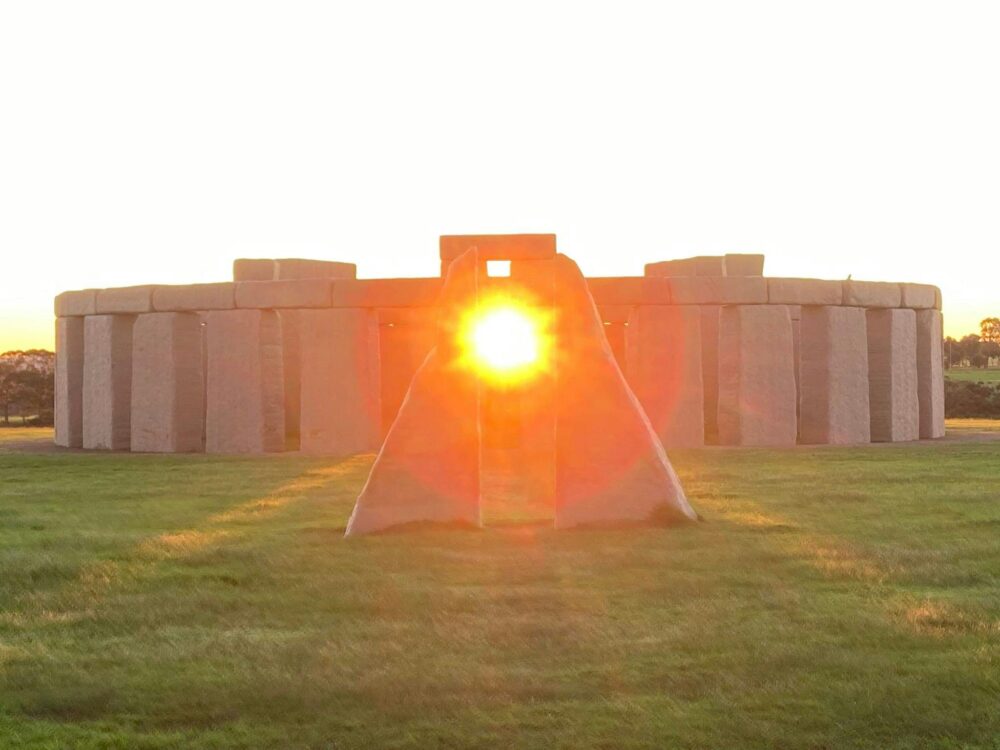
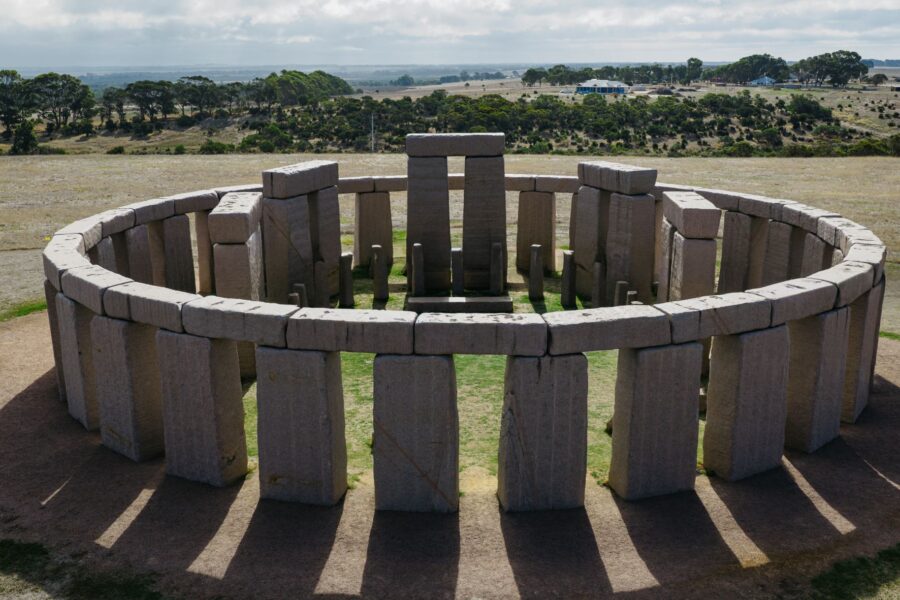
Esperance Stonehenge is the only full-size replica of the original Stonehenge, as it may have looked around 1950BC. Its 137 stones are pink granite, quarried less than 1km away. It's an easy stop on the way to or from the national park, and a gathering place for the winter and summer solstices. Allow time to go inside, because the real experience is among the stones. Walk between them, take in their scale up close and hear how sound carries within the circle.
Cape Le Grand National Park
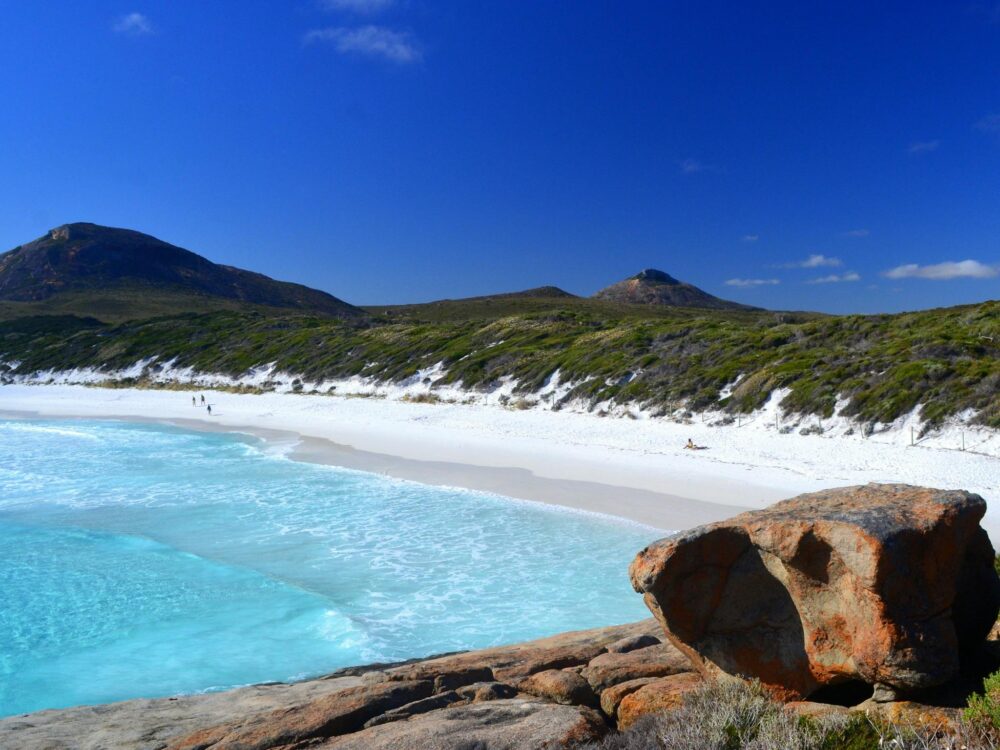
About 50km south-east of town, Cape Le Grand National Park is where granite peaks meet dazzling white sand and clear turquoise water. The road is sealed all the way to the park, so it's an easy day trip in any vehicle, and you pay a day entry fee at the gate, unless you already have a WA Park Pass.
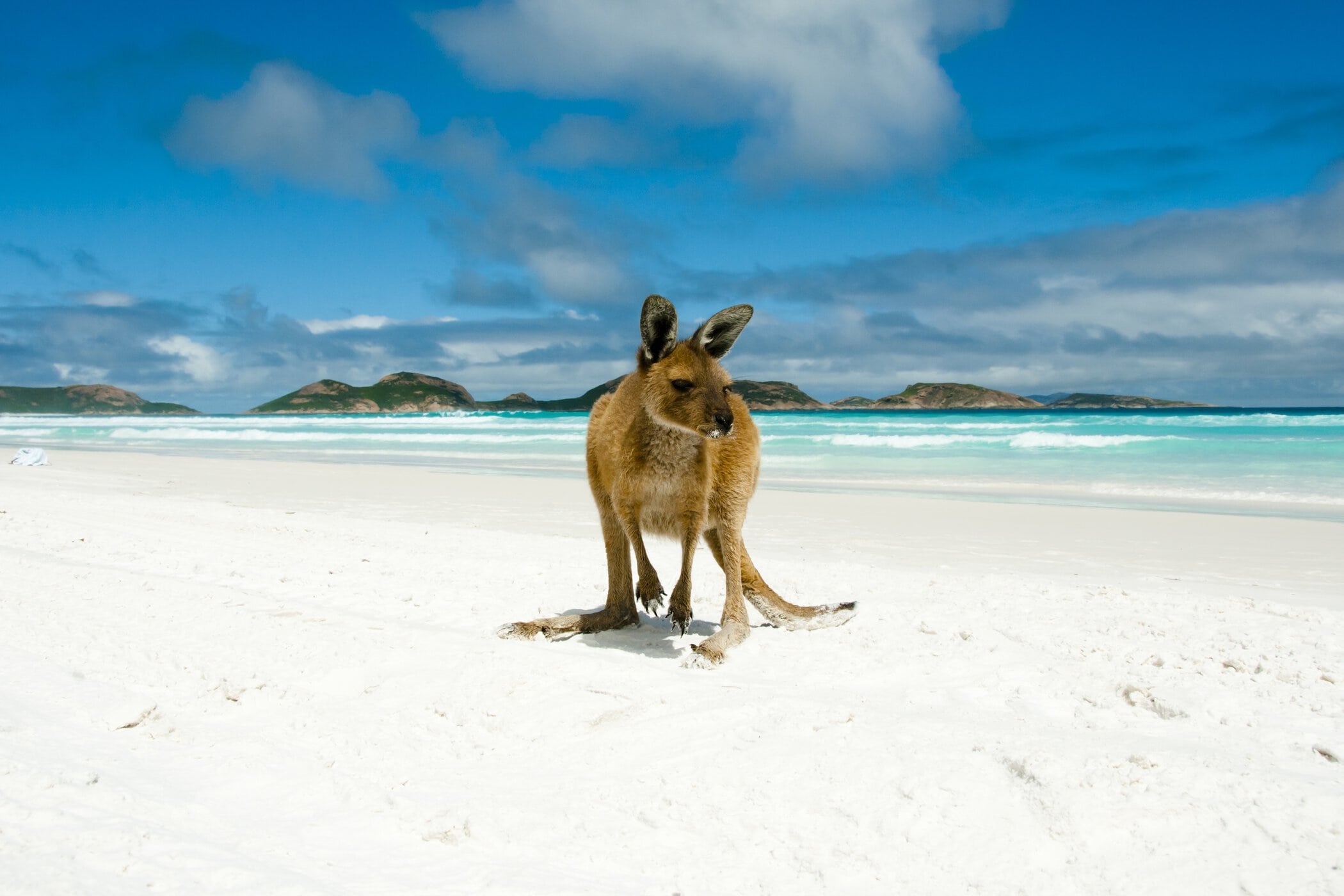
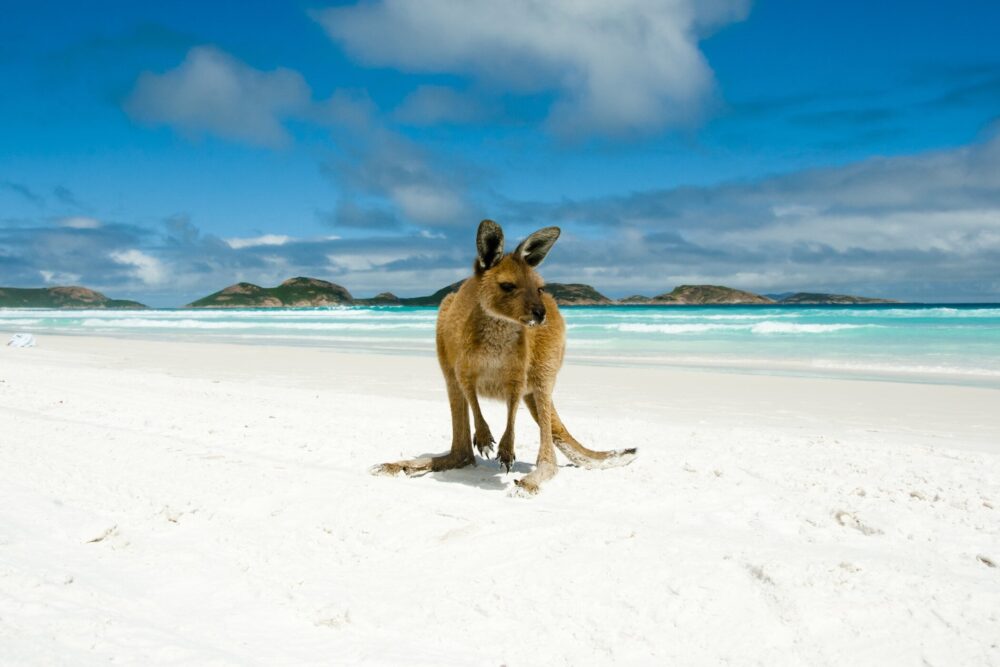
Frenchman Peak, known to the Wudjari Nyungar people as Mandooboornup, rises above the park and rewards a steep climb with views along the coast and out to the islands. Below it, a string of bays each has its own character: Lucky Bay's long, sheltered sweep of white sand, the granite-framed cove at Hellfire Bay, Thistle Cove and its Whistling Rock, and the quieter Le Grand Beach. If you're lucky, you may spot a kangaroo in the surrounding bushland.
Walkers can link the bays on the Cape Le Grand Coastal Trail, and there's camping at Lucky Bay and Le Grand Beach (book ahead) for those who want to stay and watch the light change.
Condingup, Duke of Orleans Bay and Wharton Beach
Head 70km east along Fisheries Road, through farming country, to Condingup, a small rural community with a vineyard, and a tavern with a fuel pump. It's your last chance to refuel, for both you and the car.
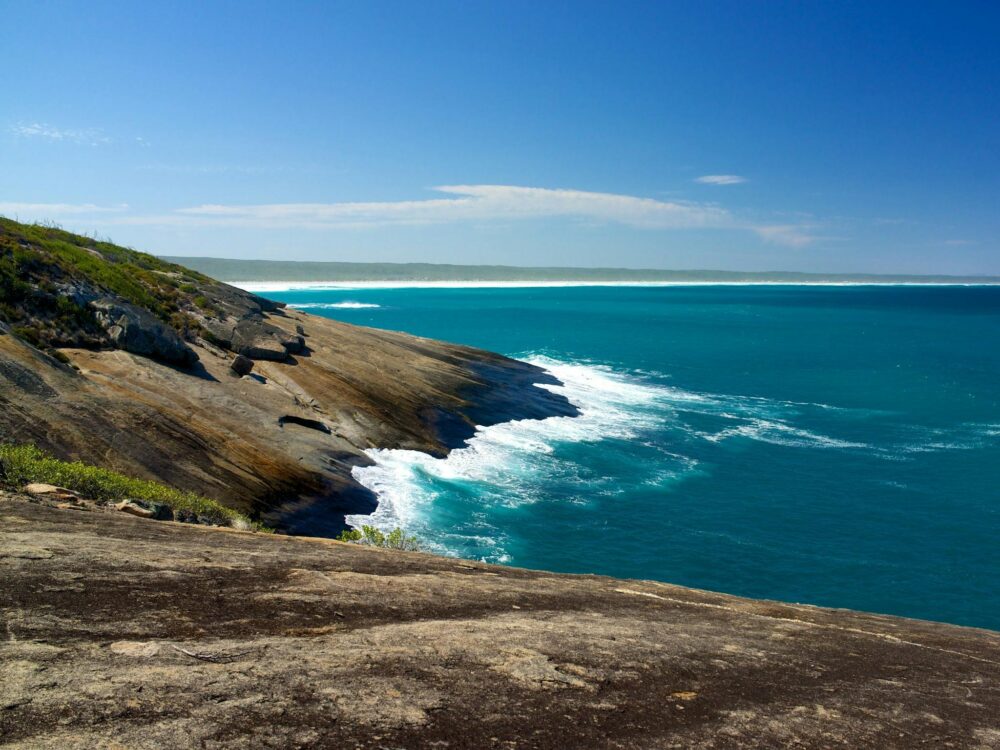
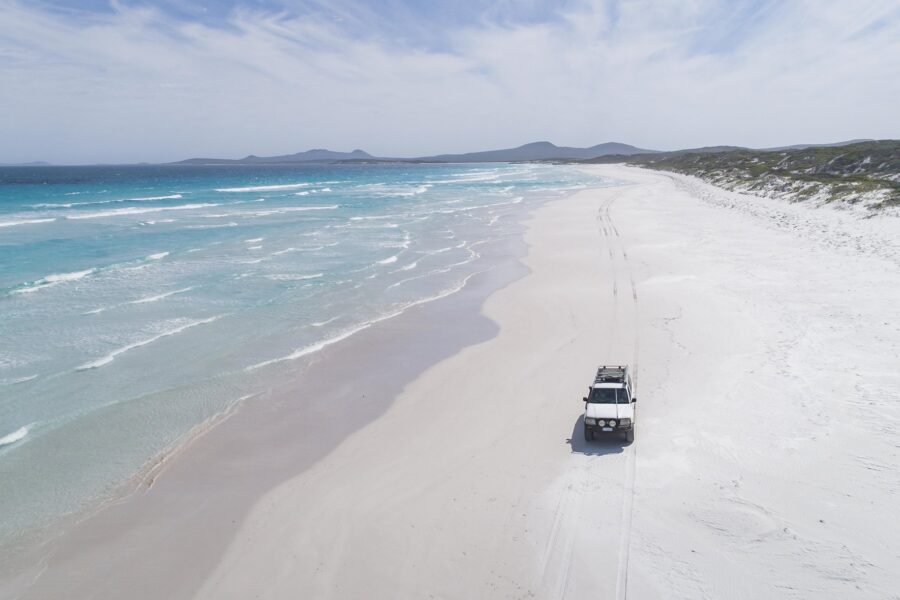
From Condingup, the road runs down another 20km to Duke of Orleans Bay, a quiet holiday spot with a caravan park close to the beach. Its neighbour, Wharton Beach, is a long arc of white sand and turquoise water that's earned a place among the world's best beaches, ranked third in the World’s 50 Best Beaches list for 2026. It's well worth the extra drive.
Cape Arid National Park and Israelite Bay
Around 120km east of town, Cape Arid National Park is big, wild and remote. The western side of the park, as far as Thomas River, is 2WD accessible (road closures permitting) and the perfect introduction, no hardcore four-wheel driving required. Take an easy walk on the Len Otte Nature Trail, or follow the Tagon Coastal Trail and look out for whales from June to October. The park is home to unique flora and fauna, including rare birdlife, so stay on the marked trails, clean soil off your shoes to help stop the spread of dieback, and give wildlife plenty of space.
Further east, the park becomes 4WD-only country for the most experienced, self-sufficient travellers. Mount Ragged rises above the plains here, with a steep summit climb and basic camping at its base. Beyond the park, the track continues to Israelite Bay and the ruins of its old telegraph station, one of the most remote corners of the region.
Find & Book
Plan our Trip
Curated trips to get you started.
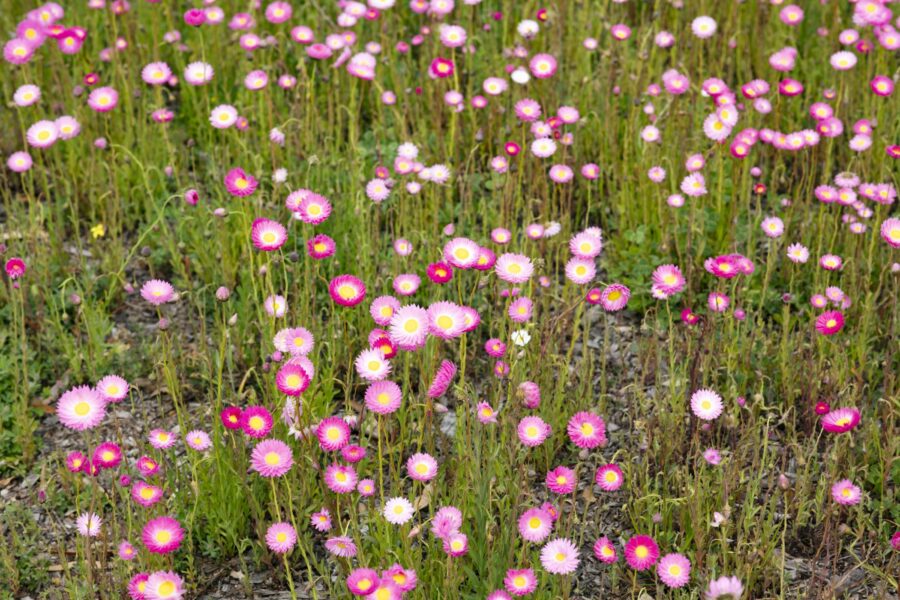
This trail takes you through seven of the region’s best wildflower spots, starting right in town and working out into the bush.
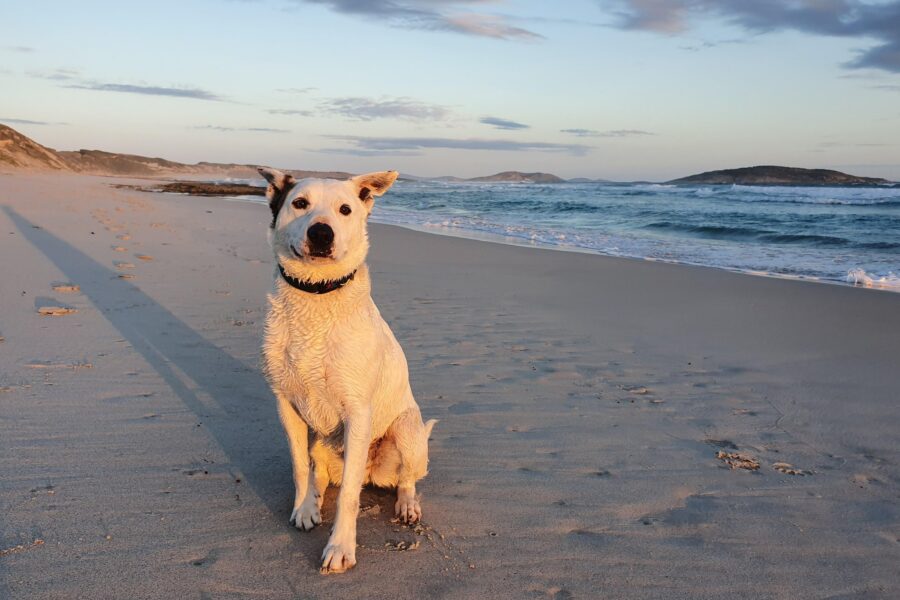
Bring the dog. Three days of foreshore walks, coastal trails, dog-friendly beaches and outdoor dining in Esperance, plus where dogs can’t go.
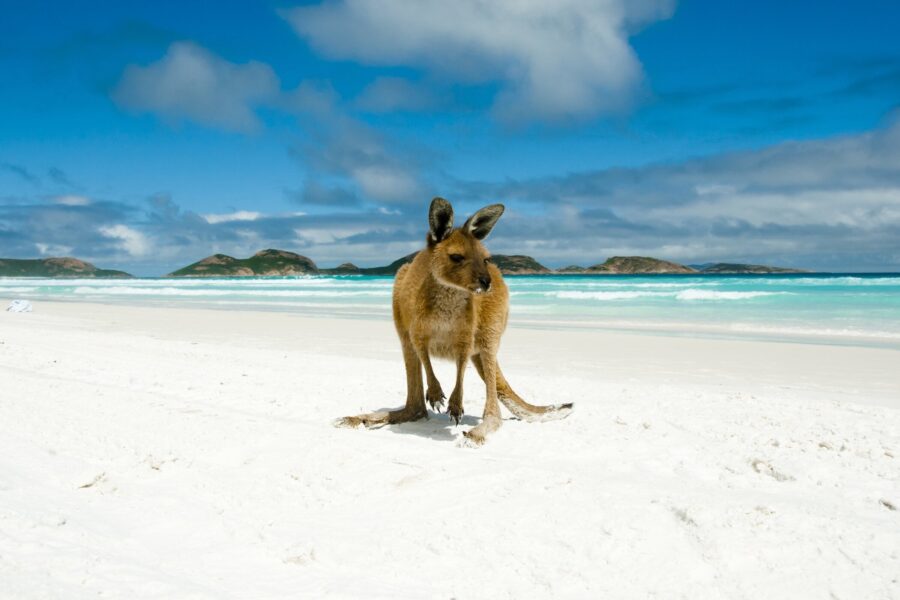
Five days, the best of Esperance. Coastal lookouts, Cape Le Grand, an island cruise, a 4WD beach tour, scenic flights and stargazing, planned day by day.

If you are faced with a rainy day while being in Esperance, there are plenty of things to do and see.
Netted swimming, jetty slides, playgrounds, rock pools and white sand bays. A three-day family itinerary for Esperance, plus rainy day ideas.
Embark on an unforgettable journey through Esperance’s breathtaking landscapes on this 3-day, self-guided hiking adventure.
Frequently Asked Questions
About 50km south-east of Esperance, on sealed roads all the way. It’s an easy day trip in any vehicle.
Not for Cape Le Grand, which is sealed to the park. In Cape Arid, the western side is 2WD accessible as far as Thomas River (road closures permitting), while the eastern side, Mount Ragged and Israelite Bay are 4WD only.
Yes. A WA Park Pass is required to visit Cape Le Grand and Cape Arid national parks. A day pass can be purchased at the gate on the day of your visit. Longer passes need to be purchased prior to your visit, either online or from a reseller like the Esperance Visitor Centre.
There’s camping at Lucky Bay and Le Grand Beach in Cape Le Grand National Park (book ahead through Parks WA), campgrounds throughout Cape Arid National Park (first come, first served), two caravan parks (Orleans Bay and Dunns Eco Park), and farm stays and retreats around Merivale.
You might, if you’re lucky. Kangaroos live in the park, but sightings aren’t guaranteed. If you do see one, keep your distance and never feed or touch them.
Dogs aren’t permitted in national parks, including Cape Le Grand and Cape Arid. Duke of Orleans Bay and Wharton Beach are dog-friendly.
Fires aren’t permitted in national parks, so pack a gas stove.
Spring brings wildflowers to Cape Le Grand, whales pass the Cape Arid coast from June to October, and summer is beach season. Campgrounds book out well ahead in peak season.
Keep exploring
From scenic road trips through the region, to what to do on a rainy day, find a ready-made plan to suit your time and travel style.
Accommodation in Esperance embodies the coastal lifestyle; grounded and understated, offering a window to the outdoors and an invitation to explore.
Plan where to eat and drink in Esperance: coffee, bakeries, cafes, dining out, takeaway and pubs, plus tips for picnics and days out.